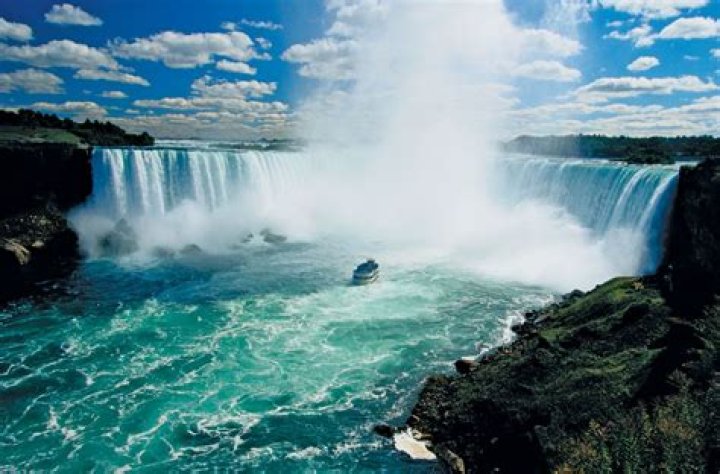
Niagara Falls is not just a breathtaking natural wonder; it holds immense cultural, historical, and economic significance for millions of people worldwide. Known for its majestic beauty and sheer power, this iconic waterfall attracts over 14 million visitors annually, making it one of the most popular tourist destinations in North America. But what exactly makes Niagara Falls so important?
Niagara Falls is a powerful symbol of nature's beauty and resilience. It spans the border between Canada and the United States, showcasing the unique cooperation between two nations in preserving this remarkable natural resource. Its importance goes far beyond its stunning appearance, touching on environmental, economic, and historical aspects that have shaped the region for centuries.
In this article, we will explore the multifaceted importance of Niagara Falls, from its role in tourism and hydroelectric power generation to its cultural significance and ecological value. Whether you're a traveler, an environmentalist, or simply curious about the world's natural wonders, this article will provide you with a comprehensive understanding of why Niagara Falls matters so much.
Geographical Significance of Niagara Falls
Niagara Falls is located on the Niagara River, which connects Lake Erie and Lake Ontario. It consists of three distinct waterfalls: the Horseshoe Falls, the American Falls, and the Bridal Veil Falls. The Horseshoe Falls, which spans the international border between Canada and the United States, is the largest and most famous of the three.
The geographical position of Niagara Falls makes it a critical point for water flow regulation in the Great Lakes system. It plays a vital role in maintaining the balance of water levels in the region, affecting ecosystems and human activities alike. The falls also serve as a natural boundary between two countries, fostering cooperation and mutual understanding.
Key Geographical Features
- Horseshoe Falls – the largest and most powerful waterfall
- American Falls – located entirely within the United States
- Bridal Veil Falls – the smallest of the three waterfalls
These geographical features contribute to the unique beauty and importance of Niagara Falls, making it a focal point for both local and global attention.
Historical Importance of Niagara Falls
Niagara Falls has a rich history that dates back thousands of years. Native American tribes, such as the Neutral and Seneca, considered the falls a sacred site long before European explorers arrived in the region. The first European to document Niagara Falls was French priest Louis Hennepin in 1678, sparking interest in the area from explorers and settlers alike.
Throughout the 19th century, Niagara Falls became a symbol of industrial progress, with the development of hydroelectric power plants harnessing its immense energy. The falls also played a crucial role in the Underground Railroad, serving as a crossing point for escaped slaves seeking freedom in Canada.
Historical Milestones
- 1678 – First documented by Louis Hennepin
- 1848 – Suspension Bridge completed, linking the U.S. and Canada
- 1895 – First hydroelectric power plant established
These milestones highlight the historical importance of Niagara Falls as a site of exploration, innovation, and social change.
Cultural Impact of Niagara Falls
Niagara Falls has inspired countless artists, writers, and musicians over the centuries. Its majestic beauty has been immortalized in paintings, photographs, and films, becoming a symbol of nature's grandeur. The falls also serve as a backdrop for various cultural events and festivals, attracting visitors from all over the world.
In addition to its aesthetic appeal, Niagara Falls holds deep cultural significance for indigenous communities. The Seneca Nation, in particular, views the falls as a sacred site, a place of spiritual connection and healing. Efforts to preserve this cultural heritage are ongoing, ensuring that future generations can appreciate the falls' cultural importance.
Cultural Celebrations
- Niagara Falls Illumination – nightly light show
- Thundering Waters Festival – celebrating indigenous culture
- Fireworks Displays – held throughout the year
These cultural events enhance the appeal of Niagara Falls, drawing visitors and reinforcing its role as a cultural hub.
Tourism Contribution of Niagara Falls
Niagara Falls is one of the most visited tourist destinations in the world, generating billions of dollars in revenue annually. The tourism industry surrounding the falls supports thousands of jobs and contributes significantly to the local economy. Attractions such as the Maid of the Mist boat tours, Journey Behind the Falls, and the Skylon Tower offer visitors unique perspectives on the natural wonder.
In addition to traditional sightseeing, Niagara Falls has become a popular destination for adventure tourism. Activities such as whitewater rafting, zip-lining, and helicopter tours provide thrilling experiences for visitors seeking excitement. The region also boasts a vibrant culinary scene, with restaurants and wineries offering world-class dining options.
Popular Tourist Attractions
- Maid of the Mist – iconic boat tour
- Journey Behind the Falls – underground viewing platform
- Skylon Tower – panoramic views of the falls
These attractions, combined with the region's natural beauty, make Niagara Falls an unparalleled destination for tourists.
Hydroelectric Power Generation
Niagara Falls is a powerhouse of renewable energy, generating electricity through hydroelectric power plants on both sides of the border. The Sir Adam Beck Hydroelectric Power Stations in Canada and the Robert Moses Niagara Power Plant in the United States harness the falls' immense energy, providing clean power to millions of homes and businesses.
Hydroelectric power generation at Niagara Falls is a testament to human ingenuity and sustainable development. By utilizing the natural force of the falls, these power plants contribute to reducing carbon emissions and promoting renewable energy sources. Ongoing research and innovation continue to improve the efficiency and environmental impact of hydroelectric power generation.
Key Hydroelectric Facilities
- Sir Adam Beck Hydroelectric Power Stations – Canada
- Robert Moses Niagara Power Plant – United States
These facilities demonstrate the potential of renewable energy and its role in shaping a sustainable future.
Ecological Value of Niagara Falls
The Niagara River and its surrounding ecosystems support a diverse range of plant and animal species, making it a vital area for biodiversity conservation. The falls and its associated wetlands provide habitat for numerous species, including migratory birds, fish, and aquatic plants. Efforts to protect these ecosystems ensure the long-term health and sustainability of the region.
Environmental organizations and government agencies work together to monitor and preserve the ecological value of Niagara Falls. Initiatives such as habitat restoration, pollution control, and wildlife management aim to maintain the delicate balance of the local ecosystems. Public awareness campaigns also play a crucial role in promoting conservation efforts.
Ecological Conservation Initiatives
- Habitat restoration projects
- Pollution control measures
- Wildlife management programs
These initiatives highlight the importance of preserving the ecological value of Niagara Falls for future generations.
Scientific Research Opportunities
Niagara Falls serves as a natural laboratory for scientific research, offering insights into geology, hydrology, and environmental science. Researchers study the falls' geological formation, water flow patterns, and ecological dynamics to better understand the processes shaping the Earth's surface. This research contributes to advancements in various scientific fields and informs conservation efforts.
Collaborative research projects involving universities, government agencies, and environmental organizations enhance our understanding of Niagara Falls and its surrounding region. Data collected through these studies help policymakers make informed decisions about resource management and conservation strategies.
Research Focus Areas
- Geological formation of the falls
- Water flow dynamics
- Ecological monitoring
These research areas underscore the scientific importance of Niagara Falls and its contribution to global knowledge.
Environmental Conservation Efforts
Environmental conservation is a top priority for Niagara Falls, with numerous initiatives aimed at preserving its natural beauty and ecological value. Governments, organizations, and individuals work together to address challenges such as pollution, habitat loss, and climate change. These efforts ensure the long-term sustainability of the falls and its surrounding ecosystems.
Public awareness campaigns and educational programs play a vital role in promoting conservation practices among local communities and visitors. By fostering a sense of responsibility and stewardship, these initiatives encourage everyone to contribute to the preservation of Niagara Falls.
Conservation Programs
- Water quality monitoring
- Habitat restoration projects
- Community engagement initiatives
These programs demonstrate the commitment to environmental conservation and the protection of Niagara Falls.
International Cooperation Around Niagara Falls
The international nature of Niagara Falls fosters cooperation between Canada and the United States in managing and preserving this shared resource. Joint efforts in areas such as water flow regulation, environmental protection, and tourism development ensure the sustainable management of the falls. Treaties and agreements between the two nations outline guidelines for collaboration and mutual benefit.
International organizations and global initiatives also play a role in promoting the conservation and sustainable development of Niagara Falls. By working together, countries and organizations can address global challenges and ensure the long-term viability of this natural wonder.
Key International Agreements
- Niagara River Water Diversion Treaty
- Great Lakes Water Quality Agreement
These agreements exemplify the importance of international cooperation in managing Niagara Falls.
Future Prospects for Niagara Falls
The future of Niagara Falls looks promising, with ongoing efforts to enhance its cultural, economic, and environmental significance. Advances in technology and innovation will continue to improve hydroelectric power generation, environmental conservation, and tourism experiences. Public and private sector collaboration will play a crucial role in ensuring the sustainable development of the falls and its surrounding region.
As global awareness of environmental issues grows, Niagara Falls remains a symbol of nature's beauty and resilience. Its importance as a natural wonder, cultural icon, and economic driver will continue to inspire future generations to preserve and protect this remarkable site.
Kesimpulan
Niagara Falls holds immense importance as a natural wonder, cultural icon, and economic driver. Its geographical significance, historical importance, and ecological value make it a unique and vital resource for both local communities and the global community. Through international cooperation, scientific research, and environmental conservation efforts, Niagara Falls continues to inspire and enrich the lives of millions of people worldwide.
We invite you to explore Niagara Falls further, whether through travel, research, or advocacy. Share your thoughts and experiences in the comments below, and don't forget to check out other articles on our site for more fascinating insights into the world's natural wonders. Together, we can ensure the preservation and appreciation of Niagara Falls for generations to come.




