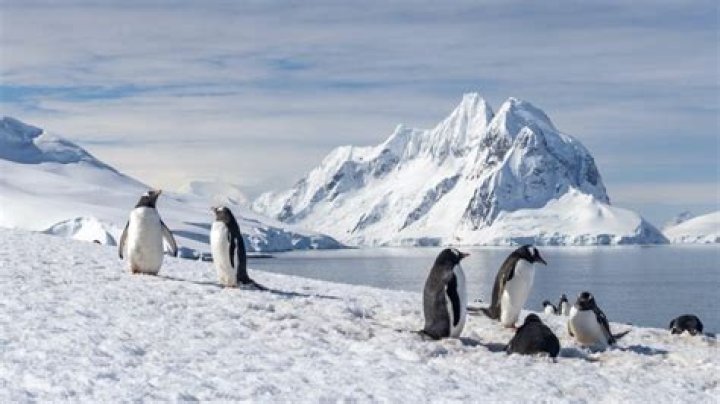
Antarctica is a fascinating continent with unique characteristics, and one of the most surprising facts about it is that it is considered a desert. Despite its icy appearance, the term "desert" perfectly describes Antarctica due to its extremely low precipitation levels. This article will explore why Antarctica is classified as a desert, delving into its climate, geography, and environmental factors that contribute to this classification.
Antarctica is often perceived as a frozen wasteland, but its status as the world's largest desert is less well-known. This vast and barren land is home to some of the most extreme weather conditions on Earth, and understanding why it is considered a desert can help us appreciate the unique nature of this continent.
In this article, we will explore the reasons behind Antarctica's classification as a desert. By examining its climate, geography, and environmental factors, we will gain a deeper understanding of this enigmatic continent and its role in the global ecosystem. Let's dive into the details and uncover the mystery of why Antarctica is known as a desert.
Table of Contents
1. Understanding the Concept of a Desert
2. Antarctica's Climate and Weather Conditions
3. Precipitation Levels in Antarctica
4. Geographic Features of Antarctica
5. Antarctica's Role in Global Climate
6. The Flora and Fauna of Antarctica
7. Human Exploration and Research in Antarctica
8. Environmental Challenges Facing Antarctica
9. Why Antarctica is Known as a Desert
10. Conclusion and Call to Action
Understanding the Concept of a Desert
A desert is typically defined as a region that receives less than 250 millimeters (10 inches) of precipitation annually. While most people associate deserts with hot, sandy landscapes, this definition also applies to cold, icy environments like Antarctica. Antarctica's classification as a desert is based on its low precipitation levels rather than its temperature.
What Defines a Desert?
- Low precipitation levels
- Harsh environmental conditions
- Extreme temperature fluctuations
Deserts can be found in various climates, from the scorching heat of the Sahara to the freezing cold of Antarctica. The defining characteristic of a desert is its aridity, which is determined by the amount of precipitation it receives.
Antarctica's Climate and Weather Conditions
Antarctica's climate is one of the most extreme on Earth, characterized by its cold temperatures, strong winds, and low humidity. The continent's weather conditions contribute to its classification as a desert, as they create an environment where precipitation is minimal.
Key Climate Features of Antarctica
- Average temperature: -57°C (-70°F)
- Strong katabatic winds
- Low atmospheric pressure
Antarctica's climate is influenced by its location at the South Pole and its high elevation, which contribute to its cold and dry conditions. These factors make it difficult for precipitation to form, further solidifying its status as a desert.
Precipitation Levels in Antarctica
Antarctica receives an average of less than 50 millimeters (2 inches) of precipitation annually, making it one of the driest continents on Earth. This low level of precipitation is a key factor in its classification as a desert.
Factors Affecting Precipitation in Antarctica
- Low humidity levels
- Cold air temperatures
- Limited moisture sources
Despite its icy appearance, Antarctica's precipitation primarily falls as snow, which accumulates over time to form glaciers and ice sheets. However, the amount of precipitation is so low that it qualifies as a desert according to scientific definitions.
Geographic Features of Antarctica
Antarctica's geography plays a significant role in its classification as a desert. The continent's vast ice sheets, high elevation, and remote location contribute to its arid conditions.
Key Geographic Features of Antarctica
- Vast ice sheets covering 14 million square kilometers
- Average elevation of 2,500 meters (8,200 feet)
- Remote location surrounded by the Southern Ocean
Antarctica's geography creates a unique environment where precipitation is minimal, and the continent's vast ice sheets act as a natural barrier to moisture.
Antarctica's Role in Global Climate
Antarctica plays a crucial role in the global climate system, influencing weather patterns and ocean currents around the world. Its classification as a desert highlights the importance of understanding its unique environmental conditions.
Impact of Antarctica on Global Climate
- Reflection of solar radiation
- Influence on ocean currents
- Storage of carbon dioxide in ice sheets
Antarctica's role in the global climate system underscores the significance of its classification as a desert, as it highlights the continent's impact on the Earth's environment.
The Flora and Fauna of Antarctica
Despite its harsh conditions, Antarctica is home to a variety of unique flora and fauna that have adapted to its desert-like environment. These organisms provide valuable insights into the continent's ecosystem and its resilience in the face of adversity.
Examples of Antarctic Flora and Fauna
- Lichens and mosses
- Penguins and seals
- Microorganisms in the ice
The presence of these organisms in Antarctica's desert environment demonstrates the adaptability of life in extreme conditions.
Human Exploration and Research in Antarctica
Human exploration and research in Antarctica have provided valuable insights into the continent's desert-like environment. Scientists from around the world study Antarctica's climate, geography, and ecosystem to better understand its role in the global climate system.
Key Areas of Research in Antarctica
- Climate change and its impact on ice sheets
- Biodiversity and adaptation in extreme environments
- Geological processes and tectonic activity
Research in Antarctica continues to uncover new information about the continent's desert-like environment and its implications for the global climate system.
Environmental Challenges Facing Antarctica
Antarctica faces numerous environmental challenges, including climate change, pollution, and overfishing. These challenges threaten the delicate balance of the continent's desert-like environment and its unique ecosystem.
Major Environmental Challenges in Antarctica
- Global warming and melting ice sheets
- Increased human activity and pollution
- Overfishing and depletion of marine resources
Addressing these challenges is essential to preserving Antarctica's desert-like environment and ensuring the survival of its unique flora and fauna.
Why Antarctica is Known as a Desert
In conclusion, Antarctica is known as a desert due to its low precipitation levels, harsh environmental conditions, and unique geography. These factors create an environment where precipitation is minimal, making it one of the driest continents on Earth.
Despite its icy appearance, Antarctica's classification as a desert highlights the importance of understanding its unique environmental conditions and its role in the global climate system. By studying Antarctica's desert-like environment, we can gain valuable insights into the Earth's climate and the resilience of life in extreme conditions.
Conclusion and Call to Action
This article has explored the reasons behind Antarctica's classification as a desert, examining its climate, geography, and environmental factors. Understanding why Antarctica is known as a desert is crucial to appreciating the unique nature of this continent and its role in the global ecosystem.
We invite you to share your thoughts and insights on this topic in the comments section below. Additionally, consider exploring other articles on our site to learn more about the fascinating world of deserts and their impact on our planet. Together, we can deepen our understanding of the Earth's diverse environments and the challenges they face.