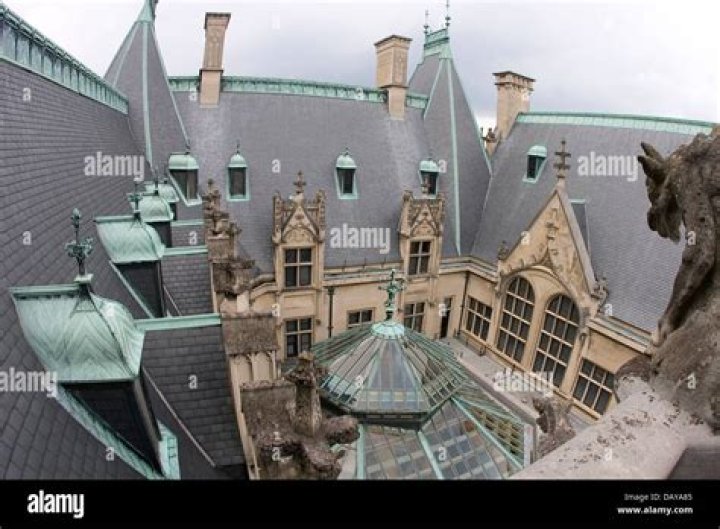
Biltmore Estate is one of the most iconic and breathtaking landmarks in the United States, standing as a testament to the opulence of the Gilded Age. This magnificent estate, nestled in Asheville, North Carolina, has captured the imagination of millions of visitors worldwide. But who built Biltmore Estate? The story behind its creation is as fascinating as the estate itself, involving visionaries, architects, and craftsmen who brought this masterpiece to life.
Built during an era when grandeur and innovation went hand in hand, Biltmore Estate is more than just a mansion; it's a symbol of American ingenuity and wealth. Its construction involved not only the Vanderbilt family but also some of the most talented architects and landscape designers of the time. This article will delve into the history, the people behind the project, and the legacy it leaves today.
From the initial vision of George Vanderbilt to the meticulous designs of Richard Morris Hunt and Frederick Law Olmsted, the creation of Biltmore Estate was a monumental task that spanned several years. Understanding the history of this estate provides a deeper appreciation for the craftsmanship and dedication that went into its construction. Let’s explore this incredible journey together.
The History of Biltmore Estate
Biltmore Estate, often referred to as the "largest privately owned house in the United States," was completed in 1895. The idea for the estate was conceived by George Washington Vanderbilt II, a member of the wealthy Vanderbilt family. George, inspired by the grand châteaux of France and the beautiful landscapes of North Carolina, sought to create a retreat that would rival the finest European estates.
The estate spans over 8,000 acres and features a 250-room mansion, lush gardens, and a winery. Its construction began in 1889 and took six years to complete. During this time, the small town of Asheville experienced significant growth, as workers and artisans from across the country were brought in to contribute to the project.
Why Asheville?
George Vanderbilt chose Asheville due to its picturesque location in the Blue Ridge Mountains. The climate, natural beauty, and accessibility made it an ideal place for his dream estate. Furthermore, the area's rich soil and diverse plant life provided the perfect canvas for the landscape designs envisioned by Frederick Law Olmsted.
George Vanderbilt: The Visionary Behind Biltmore
George Washington Vanderbilt II, the youngest grandson of Commodore Cornelius Vanderbilt, was the driving force behind Biltmore Estate. Unlike many of his relatives who focused on business, George had a passion for art, literature, and architecture. He envisioned Biltmore as a place where he could indulge in his interests while creating a lasting legacy.
George Vanderbilt's Contributions
- Provided the vision and funding for the estate.
- Curated an extensive art collection displayed throughout the mansion.
- Worked closely with architects and designers to ensure his vision was realized.
Richard Morris Hunt: The Architect of Biltmore
Richard Morris Hunt, one of America's most renowned architects, was commissioned to design the mansion. Known for his work on structures such as the pedestal of the Statue of Liberty and the Breakers in Newport, Rhode Island, Hunt brought his expertise in French château architecture to Biltmore.
Hunt's Design Philosophy
Hunt's design for Biltmore was inspired by the Loire Valley châteaux in France. He incorporated elements such as limestone facades, steeply pitched roofs, and ornate detailing to create a structure that was both grand and functional. His attention to detail ensured that every aspect of the mansion reflected the Vanderbilt family's wealth and sophistication.
Frederick Law Olmsted: The Landscape Designer
Frederick Law Olmsted, famous for designing New York City's Central Park, was tasked with creating the estate's gardens and surrounding landscape. Olmsted's vision was to blend the natural beauty of the area with formal garden designs, resulting in a harmonious and breathtaking environment.
Olmsted's Achievements
- Designed the magnificent gardens and forests surrounding the mansion.
- Incorporated sustainable forestry practices, establishing one of the first managed forests in the United States.
- Created a system of roads and pathways that enhanced the estate's accessibility and aesthetics.
The Construction Process of Biltmore Estate
The construction of Biltmore Estate was a massive undertaking that required the collaboration of thousands of workers. From quarrying limestone to crafting intricate woodwork, every aspect of the project was meticulously planned and executed.
Key Stages of Construction
The construction process can be broken down into several key stages:
- Foundation and Structure: The foundation was laid using locally quarried limestone, ensuring the mansion's stability.
- Interior Finishing: Skilled artisans worked on intricate wood carvings, plasterwork, and stained glass windows.
- Landscaping: Olmsted's team transformed the surrounding land into lush gardens and forests.
Materials Used in Building Biltmore
The materials used in constructing Biltmore Estate were carefully selected to ensure durability and aesthetic appeal. Limestone from Indiana, marble from Italy, and timber from the estate's forests were among the materials employed.
Material Sources
- Limestone: Indiana quarries provided the primary building material.
- Marble: Imported from Italy for decorative elements.
- Timber: Harvested sustainably from the estate's forests.
Design Features of Biltmore Estate
Biltmore Estate boasts numerous design features that make it a marvel of architecture and engineering. From the grand Banquet Hall to the intimate Library, every room tells a story of craftsmanship and elegance.
Notable Rooms
- Banquet Hall: The largest room in the mansion, featuring a massive fireplace and intricate wood paneling.
- Library: A stunning room filled with over 23,000 books and adorned with beautiful murals.
- Winter Garden: A serene space with a central fountain and lush greenery.
Challenges Faced During Construction
Despite the meticulous planning, the construction of Biltmore Estate faced several challenges. The remote location of Asheville and the sheer scale of the project presented logistical difficulties. However, these challenges were overcome through innovation and perseverance.
Overcoming Challenges
- Building a railway spur to transport materials to the site.
- Hiring skilled artisans from Europe to work on specialized tasks.
- Implementing sustainable practices to protect the environment.
The Legacy of Biltmore Estate
Biltmore Estate continues to be a symbol of American heritage and a testament to the Vanderbilt family's legacy. Today, it serves as a museum and tourist attraction, welcoming millions of visitors each year. The estate's commitment to preservation and innovation ensures that it remains relevant and inspiring for future generations.
Modern-Day Significance
In addition to its historical importance, Biltmore Estate plays a vital role in the local economy. It supports conservation efforts, promotes sustainable practices, and contributes to the cultural richness of Asheville.
Visiting Biltmore Estate Today
Visitors to Biltmore Estate can explore the mansion, gardens, and winery, experiencing the grandeur and beauty of this historic landmark. Guided tours, special events, and educational programs offer insights into the estate's history and significance.
What to Expect
- Guided tours of the mansion and gardens.
- Tastings at the Biltmore Winery.
- Exhibitions and events showcasing the estate's history and culture.
Kesimpulan
Biltmore Estate stands as a testament to the vision and dedication of George Vanderbilt, Richard Morris Hunt, and Frederick Law Olmsted. The story of who built Biltmore Estate is one of collaboration, innovation, and perseverance. Today, it continues to inspire and educate visitors from around the world.
We invite you to share your thoughts on this article in the comments section below. For more fascinating stories about history and architecture, explore our other articles. Thank you for reading!
References:
- Biltmore Estate Official Website
- History.com
- National Park Service




