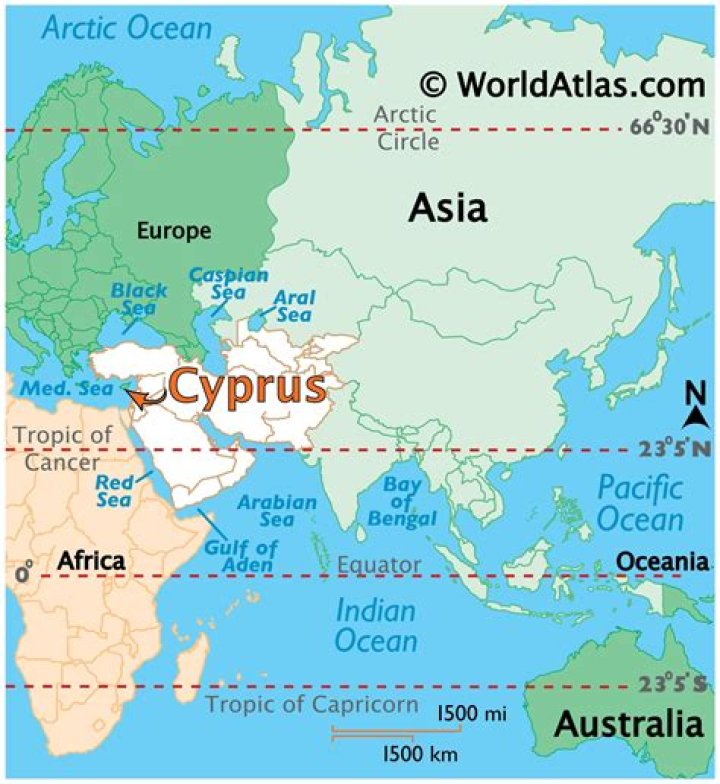
Cyprus is a small yet fascinating island nation located in the Eastern Mediterranean Sea. Known for its rich history, breathtaking landscapes, and cultural diversity, Cyprus has become a popular destination for travelers, historians, and investors alike. Whether you're planning a trip or simply curious about this unique country, understanding its location and significance can provide valuable insights.
Cyprus's strategic position at the crossroads of Europe, Asia, and Africa makes it a vital hub for trade, culture, and diplomacy. This island has been shaped by centuries of influences from various civilizations, including the Greeks, Romans, Ottomans, and British. Its history is deeply intertwined with its geography, which we will explore further in this article.
As you delve into the details of where Cyprus is located, you will also discover its political complexities, geographical features, and why it continues to captivate the world. Let's begin by examining the basics of this remarkable island.
Geographical Location of Cyprus
Cyprus is situated in the Eastern Mediterranean Sea, approximately 65 kilometers south of Turkey, 97 kilometers west of Syria, and 380 kilometers north of Egypt. This strategic placement has historically made it a focal point for various empires and civilizations. The island covers an area of about 9,251 square kilometers, making it the third-largest island in the Mediterranean after Sicily and Sardinia.
Key Coordinates and Borders
- Latitude: 35° N
- Longitude: 33° E
- Neighboring Countries: Turkey, Syria, Lebanon, Israel, Egypt
Despite its relatively small size, Cyprus boasts diverse landscapes, including the Troodos Mountains in the center, the Kyrenia Range in the north, and extensive coastal plains. These geographical features contribute to its unique charm and appeal.
Cyprus: A Historical Overview
The history of Cyprus dates back thousands of years, with evidence of human habitation as early as the Neolithic period. Over the centuries, the island has been ruled by various powers, each leaving an indelible mark on its culture and identity. From ancient Greek and Roman influences to Ottoman and British colonial rule, Cyprus's history is a tapestry of diverse influences.
Key Historical Periods
- Ancient Period: Cyprus was a major center for trade and culture in the ancient world.
- Ottoman Rule: Between 1571 and 1878, Cyprus was under Ottoman control, which significantly shaped its demographics and culture.
- British Colonial Era: From 1878 to 1960, Cyprus was a British colony, leading to modern infrastructure and governance systems.
- Independence: Cyprus gained independence in 1960, becoming a sovereign nation.
Understanding the historical context of Cyprus is essential to appreciating its current geopolitical situation and cultural identity.
Political Divisions and the Cyprus Issue
One of the most significant aspects of Cyprus's modern history is its political division. Since 1974, the island has been split into two main parts: the Republic of Cyprus in the south, recognized internationally, and the Turkish Republic of Northern Cyprus in the north, recognized only by Turkey. This division arose following a military coup and subsequent Turkish intervention.
Key Facts About the Division
- Green Line: A buffer zone maintained by the United Nations separates the two regions.
- Peace Negotiations: Efforts to reunify the island have been ongoing but remain unresolved.
- International Relations: The division impacts Cyprus's relationships with neighboring countries and global organizations.
The Cyprus issue remains a complex and sensitive topic, affecting both the island's politics and its people's daily lives.
Cyprus's Geographical Features
Cyprus is renowned for its stunning natural beauty, offering a mix of rugged mountains, picturesque beaches, and fertile plains. The island's geography plays a crucial role in its economy, culture, and tourism industry.
Major Landmarks
- Troodos Mountains: The highest point in Cyprus, Mount Olympus, stands at 1,952 meters.
- Kyrenia Range: Known for its dramatic cliffs and scenic views.
- Coastal Plains: Fertile areas suitable for agriculture and tourism development.
These geographical features contribute to Cyprus's appeal as a destination for outdoor enthusiasts, nature lovers, and those seeking relaxation by the sea.
Cyprus's Climate and Weather Patterns
Cyprus enjoys a typical Mediterranean climate, characterized by hot, dry summers and mild, wet winters. This climate makes it an ideal location for year-round tourism and agriculture. The island's weather patterns are influenced by its proximity to the Mediterranean Sea and its mountainous terrain.
Seasonal Highlights
- Summer: June to September, with temperatures averaging 30°C.
- Winter: December to February, with mild temperatures around 15°C.
- Rainfall: Most precipitation occurs during the winter months.
Understanding Cyprus's climate is essential for planning visits or considering long-term stays on the island.
Economic Significance of Cyprus
Cyprus's economy is driven by several key sectors, including tourism, finance, and shipping. Its strategic location and well-developed infrastructure make it an attractive destination for businesses and investors. Additionally, the island's tax incentives and business-friendly environment have contributed to its growth as a regional economic hub.
Key Economic Sectors
- Tourism: A major contributor to GDP, attracting millions of visitors annually.
- Finance: Cyprus is known as an international financial center.
- Shipping: The island is a key player in the global shipping industry.
These sectors not only drive economic growth but also provide employment opportunities for residents and expatriates alike.
Cultural Heritage of Cyprus
Cyprus's rich cultural heritage is a reflection of its diverse history and influences. From ancient ruins to traditional festivals, the island offers a wealth of experiences for those interested in culture and history. Its people are known for their hospitality, and the island's traditions continue to thrive despite modern influences.
Cultural Highlights
- Archaeological Sites: Such as the ancient city of Paphos and the Tombs of the Kings.
- Festivals: Including the Wine Festival and Carnival celebrations.
- Cuisine: A blend of Mediterranean, Greek, and Middle Eastern flavors.
Exploring Cyprus's cultural heritage provides a deeper understanding of its identity and significance in the region.
Tourism in Cyprus
Cyprus is a popular tourist destination, attracting millions of visitors each year. Its combination of natural beauty, historical sites, and modern amenities makes it an ideal choice for various types of travelers. Whether you're interested in sunbathing on pristine beaches, exploring ancient ruins, or indulging in local cuisine, Cyprus has something for everyone.
Top Tourist Attractions
- Akrotiri Peninsula: Known for its stunning beaches and salt lake.
- Paphos Archaeological Park: A UNESCO World Heritage Site.
- Troodos Mountains: Perfect for hiking and winter sports.
With its diverse attractions and welcoming atmosphere, Cyprus continues to be a top choice for travelers worldwide.
Where is Cyprus: Final Thoughts and Insights
In conclusion, Cyprus is a fascinating island nation located in the Eastern Mediterranean Sea, known for its rich history, diverse culture, and strategic importance. Its geographical location, political complexities, and economic significance make it a unique and captivating destination. Whether you're planning a trip, studying its history, or considering investment opportunities, understanding where Cyprus is and what it represents is essential.
We invite you to share your thoughts and experiences in the comments section below. If you enjoyed this article, please consider sharing it with others who may find it valuable. For more insights into Cyprus and other global destinations, explore our other articles on the site.