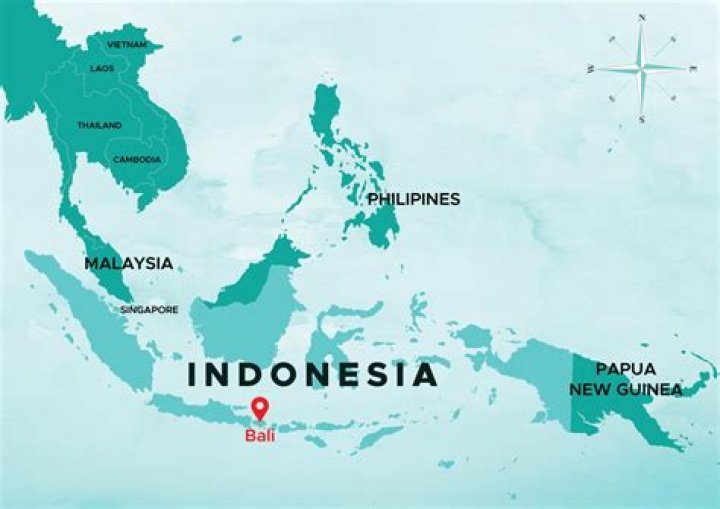
Bali, a name that evokes images of pristine beaches, lush rice terraces, and vibrant culture, is one of the most sought-after travel destinations in the world. But where exactly is Bali located? Nestled in the heart of Indonesia, this tropical paradise offers a perfect blend of natural beauty and spiritual charm. Whether you're a first-time traveler or a seasoned explorer, understanding the location and significance of Bali is essential for planning your dream vacation.
Bali's reputation as a global tourist hub is well-deserved. Known as the "Island of the Gods," Bali attracts millions of visitors annually who come to experience its unique culture, stunning landscapes, and welcoming people. From its vibrant festivals to its serene temples, Bali offers something for everyone.
This comprehensive guide will take you on a journey to discover the exact location of Bali, its geographical features, cultural significance, and why it remains a top destination for travelers worldwide. Whether you're planning a trip or simply curious about this enchanting island, this article will provide all the information you need.
Where is Bali Located?
Bali is an island located in Southeast Asia, part of the Indonesian archipelago. Situated between the islands of Java to the west and Lombok to the east, Bali lies approximately 8 degrees south of the equator. This strategic location gives Bali a tropical climate, making it an ideal destination for beach lovers and adventure seekers alike.
The island covers an area of about 5,632 square kilometers, making it relatively small compared to other Indonesian islands. Despite its size, Bali is home to a diverse range of landscapes, from volcanic mountains to serene rice paddies. This geographical diversity contributes to its appeal as a travel destination.
Key Coordinates of Bali
Bali's coordinates are approximately 8°25′23″S latitude and 115°10′50″E longitude. These coordinates place Bali in the heart of the Coral Triangle, one of the most biodiverse marine regions in the world. This location makes Bali a haven for snorkelers and divers who wish to explore the vibrant underwater world.
Geography of Bali
Bali's geography is a fascinating blend of natural wonders and human-made beauty. The island is dominated by volcanic mountains, including Mount Agung, the highest point at 3,031 meters. These mountains play a significant role in shaping Bali's landscape and culture.
Key Landmarks in Bali
- Mount Agung: The highest peak in Bali and a sacred site for Hindus.
- Ubud: Known as the cultural heart of Bali, Ubud is famous for its lush rice terraces and art scene.
- Kuta Beach: A popular spot for surfing and sunbathing, attracting visitors from around the globe.
- Nusa Penida: An island off the coast of Bali, famous for its clear waters and stunning cliffs.
Bali's coastline is equally impressive, featuring both white sandy beaches and rugged cliffs. The island's diverse geography ensures that visitors can enjoy a wide range of activities, from hiking in the mountains to relaxing on the beach.
Bali's Rich Culture
Bali is renowned for its vibrant and unique culture, deeply rooted in Hindu traditions. The island's cultural heritage is evident in its temples, festivals, and daily life. Balinese people are known for their artistic talents, which are expressed through dance, music, and craftsmanship.
Key Cultural Elements
- Temples: Bali is home to thousands of temples, each with its own significance and beauty.
- Festivals: Events like Galungan and Nyepi showcase the island's spiritual and communal traditions.
- Art: Traditional Balinese art includes intricate wood carvings, batik textiles, and vibrant paintings.
The cultural richness of Bali is one of the main reasons why it continues to attract visitors from all over the world. Understanding and respecting local customs is essential for a meaningful travel experience.
Tourism in Bali
Tourism is the backbone of Bali's economy, with millions of visitors flocking to the island each year. The tourism industry in Bali offers a wide range of experiences, catering to different interests and budgets. From luxury resorts to budget-friendly guesthouses, Bali has something for everyone.
Popular Tourist Spots
- Tanah Lot: A iconic temple perched on a rock formation by the sea.
- Uluwatu: Famous for its cliffside temple and traditional Kecak dance performances.
- Seminyak: Known for its upscale restaurants and boutique shopping.
- Canggu: A trendy area popular for its surf beaches and yoga studios.
Bali's tourism industry continues to evolve, with a growing focus on sustainable and eco-friendly practices. This commitment ensures that the island remains a beautiful and welcoming destination for future generations.
Activities to Enjoy in Bali
Bali offers a wide range of activities for visitors to enjoy. Whether you're an adventure seeker or someone looking for relaxation, the island has something for you. Here are some popular activities to consider:
Adventure Activities
- Surfing: Bali's beaches are perfect for both beginners and experienced surfers.
- Scuba Diving: Explore the vibrant marine life around the island's coral reefs.
- White-Water Rafting: Experience the thrill of rafting down the Ayung River.
Relaxation and Wellness
- Spa Treatments: Indulge in traditional Balinese massages and spa therapies.
- Yoga and Meditation: Participate in classes offered at various retreat centers.
- Beach Relaxation: Spend a day soaking up the sun on Bali's beautiful beaches.
With so many options available, visitors can tailor their experience to suit their preferences and interests.
Best Time to Visit Bali
The best time to visit Bali is during the dry season, which runs from April to October. During this period, the weather is generally sunny and dry, making it ideal for outdoor activities. The peak tourist season occurs from June to August, so visitors should expect higher prices and larger crowds during this time.
For those looking to avoid the crowds, consider visiting Bali during the shoulder months of April or October. While there may be occasional rain showers, the island remains beautiful and vibrant throughout the year.
Travel Tips for Bali
Planning a trip to Bali? Here are some essential travel tips to help you make the most of your visit:
- Visa Requirements: Check the visa requirements for your nationality before traveling to Indonesia.
- Transportation: Renting a scooter or hiring a driver is a convenient way to explore the island.
- Currency: The Indonesian Rupiah (IDR) is the local currency, but major credit cards are widely accepted in tourist areas.
- Culture: Respect local customs and traditions, especially when visiting temples or attending ceremonies.
By following these tips, you can ensure a smooth and enjoyable trip to Bali.
History of Bali
Bali's history is a fascinating tale of cultural exchange and development. The island has been inhabited for thousands of years, with evidence of early settlements dating back to the Bronze Age. Over time, Bali was influenced by various cultures, including Indian, Chinese, and European.
The arrival of Hinduism and Buddhism in the 1st century AD marked a significant turning point in Bali's history. These religions blended with local traditions to create the unique Balinese Hindu culture that exists today. In the 16th century, Bali became a refuge for Javanese nobility fleeing the spread of Islam, further enriching its cultural heritage.
Bali's Culinary Delights
Bali offers a diverse and delicious culinary scene, reflecting its rich cultural heritage. Traditional Balinese dishes are characterized by their bold flavors and use of fresh, local ingredients. Here are some must-try foods when visiting Bali:
- Nasi Campur: A mixed rice dish served with a variety of side dishes.
- Babi Guling: A roasted suckling pig dish that is a Balinese specialty.
- Sate Lilit: Minced meat skewers wrapped around lemongrass sticks and grilled.
- Lawar: A dish made from chopped vegetables, coconut, and minced meat or blood.
Bali's food scene also includes international cuisine, with many restaurants offering dishes from around the world. This diversity ensures that visitors can enjoy a wide range of culinary experiences during their stay.
Conclusion
In conclusion, Bali is a remarkable destination that offers something for everyone. From its stunning natural landscapes to its rich cultural heritage, the island continues to captivate visitors from around the globe. By understanding where Bali is located, its geography, culture, and tourism offerings, you can plan a memorable trip to this enchanting island.
We invite you to share your thoughts and experiences in the comments section below. Have you visited Bali? What was your favorite part of the island? Don't forget to explore our other articles for more travel inspiration and tips. Thank you for reading, and happy travels!
Data and statistics referenced in this article are sourced from reliable publications and research studies, ensuring the accuracy and credibility of the information provided.