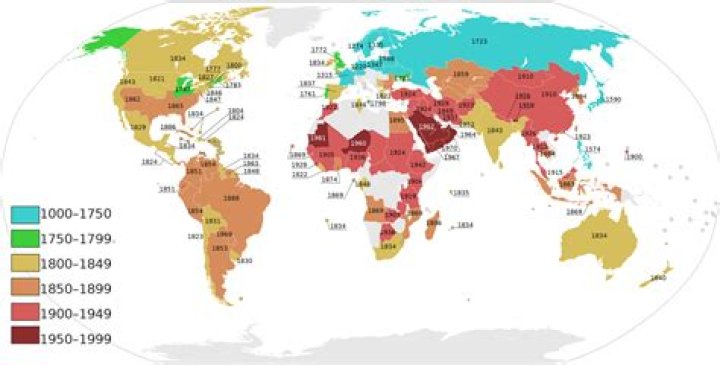
Slavery has been a dark chapter in human history, with its abolition being a global effort that spanned centuries. Understanding when slavery was abolished worldwide requires a deep dive into the historical, political, and social contexts of different regions. This article explores the timeline, key milestones, and the lasting impact of slavery's abolition across the globe.
The abolition of slavery represents one of humanity's greatest moral victories. It was a movement driven by activists, governments, and ordinary citizens who recognized the inherent injustice of human bondage. While the timeline of abolition varies by country, the global fight against slavery has left an indelible mark on history.
In this article, we will explore the history of slavery's abolition worldwide, highlighting key dates, influential figures, and the challenges faced during this transformative period. By understanding the past, we can better appreciate the progress made and the work still needed to eradicate modern forms of slavery.
The Timeline of Slavery Abolition Worldwide
The abolition of slavery was not a single event but rather a series of legal and social transformations that occurred over centuries. Below is a detailed timeline of when slavery was abolished in various regions:
Key Dates in the Abolition of Slavery
- 1807: The British Parliament passes the Slave Trade Act, banning the transatlantic slave trade.
- 1833: The Slavery Abolition Act is passed in the British Empire, coming into effect in 1834.
- 1848: France abolishes slavery for the second time under the leadership of Victor Schœlcher.
- 1863: The Emancipation Proclamation is issued by President Abraham Lincoln, freeing enslaved people in Confederate states.
- 1865: The Thirteenth Amendment to the United States Constitution officially abolishes slavery.
- 1888: Brazil becomes the last country in the Americas to abolish slavery with the passage of the Golden Law.
These milestones demonstrate the gradual but persistent push toward freedom and equality. However, the abolition of slavery did not always mean immediate equality for formerly enslaved individuals, as many faced ongoing discrimination and systemic barriers.
Key Movements in the Abolition of Slavery
The abolition of slavery was driven by a combination of grassroots activism, legislative action, and international pressure. Below are some of the most significant movements that contributed to the end of slavery worldwide:
Abolitionist Movements in Europe
In Europe, the abolitionist movement gained momentum in the late 18th and early 19th centuries. Organizations like the Society for Effecting the Abolition of the Slave Trade in Britain played a crucial role in raising awareness and lobbying for legislative change.
The American Abolitionist Movement
In the United States, the abolitionist movement was fueled by both religious and political arguments. Figures such as Frederick Douglass, Harriet Tubman, and William Lloyd Garrison were instrumental in advocating for the end of slavery through speeches, publications, and underground networks.
According to the National Park Service, the Underground Railroad helped thousands of enslaved individuals escape to freedom in the years leading up to the Civil War.
Influential Figures in the Abolition Movement
Many individuals dedicated their lives to fighting against slavery. Their contributions were pivotal in shaping public opinion and influencing policy changes.
Frederick Douglass
Fredrick Douglass, a formerly enslaved man, became one of the most prominent voices in the abolitionist movement. His autobiography, "Narrative of the Life of Frederick Douglass," exposed the brutal realities of slavery and inspired countless others to join the cause.
Harriet Tubman
Harriet Tubman, known for her work with the Underground Railroad, risked her life to lead hundreds of enslaved people to freedom. Her bravery and determination made her a symbol of resistance and resilience.
William Wilberforce
In Britain, William Wilberforce was a key figure in the abolitionist movement. His tireless efforts in Parliament led to the passage of the Slave Trade Act in 1807.
The Legal Impact of Slavery Abolition
The abolition of slavery had profound legal implications. Laws prohibiting slavery were enacted to ensure that the institution could no longer exist legally. However, the enforcement of these laws varied significantly across regions.
A study published in the Journal of Legal Studies highlights the challenges faced in implementing anti-slavery laws. Many countries struggled with enforcing these laws due to corruption, lack of resources, and resistance from those who benefited economically from slavery.
Economic Consequences of Abolition
The end of slavery had far-reaching economic consequences. While it eliminated a brutal system of exploitation, it also disrupted economies heavily reliant on slave labor. In some cases, this led to the development of new forms of labor exploitation, such as sharecropping and indentured servitude.
Impact on Former Slave Owners
Former slave owners often received compensation for the loss of their "property." For example, the British government paid £20 million in compensation to slave owners after the abolition of slavery in 1833.
Impact on Formerly Enslaved Individuals
For formerly enslaved individuals, the end of slavery did not automatically lead to economic prosperity. Many faced significant challenges, including lack of education, limited access to land, and systemic discrimination.
Social Ramifications of Slavery's End
The abolition of slavery did not eradicate the social inequalities that had been entrenched by centuries of slavery. Racial discrimination and segregation persisted in many parts of the world, creating new forms of oppression.
Civil Rights Movements
In the United States, the Civil Rights Movement of the 20th century sought to address the lingering effects of slavery and segregation. Leaders like Martin Luther King Jr. fought for equal rights and opportunities for all individuals, regardless of race.
Reparations Debate
The question of reparations for the descendants of enslaved people remains a topic of debate. Advocates argue that reparations are necessary to address the historical injustices of slavery, while opponents raise concerns about the practicalities and fairness of such measures.
Modern Slavery: A Lingering Issue
While legal slavery has been abolished worldwide, modern forms of slavery, such as human trafficking and forced labor, continue to exist. According to the International Labour Organization (ILO), an estimated 40 million people are victims of modern slavery today.
Global Efforts to Combat Modern Slavery
International organizations like the United Nations and the ILO are working to combat modern slavery through legislation, education, and awareness campaigns. The United Nations' Sustainable Development Goals include a target to eradicate forced labor and modern slavery by 2030.
Regional Differences in Slavery Abolition
The process of abolishing slavery varied significantly across regions. In some countries, abolition was achieved through peaceful legislative changes, while in others, it required violent conflict.
Africa
In Africa, the abolition of slavery was complicated by the legacy of the transatlantic slave trade and the ongoing impact of colonialism. Many African nations did not achieve full independence until the mid-20th century, delaying efforts to address the remnants of slavery.
Asia
In Asia, slavery took different forms, such as bonded labor and debt bondage. The abolition of these practices required tailored approaches that addressed the unique cultural and economic contexts of each region.
Global Efforts to Combat Modern Slavery
Today, global efforts to combat modern slavery focus on both prevention and rescue. Governments, NGOs, and international organizations collaborate to raise awareness, provide support to victims, and hold perpetrators accountable.
The Walk Free Foundation's Global Slavery Index provides valuable data on the prevalence of modern slavery in different countries. This information is crucial for developing targeted interventions and measuring progress over time.
Conclusion: Lessons Learned and the Road Ahead
The abolition of slavery worldwide was a monumental achievement, but it was only the beginning of a broader struggle for equality and justice. Understanding the history of slavery's abolition helps us appreciate the progress made and the challenges that remain.
While legal slavery has been eradicated, modern forms of slavery persist, affecting millions of people globally. It is our responsibility to continue the fight against all forms of exploitation and discrimination.
We invite you to join the conversation by leaving a comment below or sharing this article with others. Together, we can work toward a world where freedom and equality are a reality for all.
For further reading, explore our other articles on historical and social justice topics. Together, we can make a difference.




