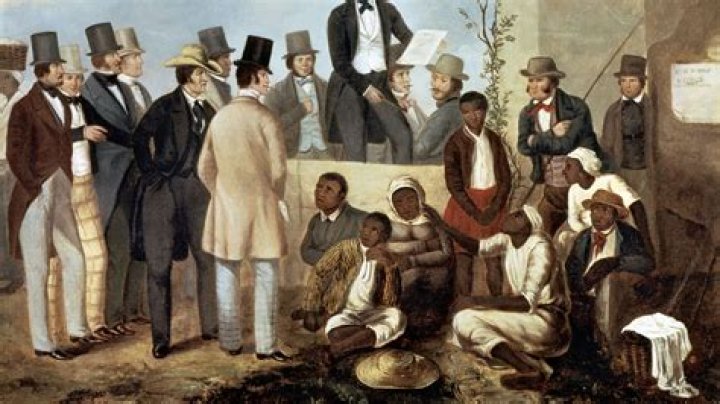
Slavery in the United States remains one of the most significant and painful chapters in American history. The abolition of slavery marked a turning point in the nation’s journey toward equality and justice. Understanding when slavery was abolished in the U.S. and the events leading to its eradication is crucial for comprehending the country's historical and social development.
The abolition of slavery in the United States was not just a legal change but a profound transformation of society. It involved years of struggle, debates, and sacrifices made by abolitionists, enslaved people, and political leaders. The journey to freedom was long and arduous, yet it laid the foundation for a more equitable nation.
This article delves into the history of slavery in the U.S., the key events leading to its abolition, and the impact it had on the nation. By exploring this topic, we aim to provide a clear understanding of when slavery was abolished and the significance of this milestone in American history.
History of Slavery in the U.S.
The history of slavery in the United States dates back to the early 17th century when the first African slaves were brought to the British colonies. Initially, slavery was concentrated in the Southern states, where it became an integral part of the agricultural economy. Over time, the demand for slave labor grew, leading to the transatlantic slave trade, which brought millions of Africans to the Americas.
Origins of Slavery in America
Slavery in America began in 1619 when a Dutch ship brought the first African slaves to Jamestown, Virginia. This marked the beginning of a system that would last for over two centuries. The institution of slavery was deeply entrenched in the Southern economy, particularly in the production of cash crops like cotton, tobacco, and rice.
Expansion of Slavery
As the United States expanded westward, the issue of slavery became a contentious topic. The Missouri Compromise of 1820 attempted to resolve the conflict by allowing slavery in some new states while prohibiting it in others. However, this temporary solution only delayed the inevitable clash over the morality and legality of slavery.
The Abolition Movements
Abolition movements emerged in the early 19th century as more people began to question the morality of slavery. These movements were driven by religious groups, activists, and former slaves who sought to end the practice of human bondage.
Religious and Moral Arguments
- Many religious groups, such as the Quakers and Methodists, opposed slavery on moral grounds.
- They argued that all humans were created equal and deserved basic rights and freedoms.
Political and Social Activism
Abolitionists like William Lloyd Garrison, Frederick Douglass, and Harriet Beecher Stowe played crucial roles in raising awareness about the horrors of slavery. Their writings and speeches inspired thousands to join the fight against slavery.
The Emancipation Proclamation
One of the most significant steps toward ending slavery was the issuance of the Emancipation Proclamation by President Abraham Lincoln on January 1, 1863. This executive order declared that all enslaved people in Confederate-held territory were to be set free.
Impact of the Emancipation Proclamation
While the Emancipation Proclamation did not immediately free all enslaved people, it changed the legal status of more than three million African Americans in the South. It also shifted the focus of the Civil War to include the abolition of slavery as a primary goal.
The 13th Amendment: When Slavery Was Officially Abolished
Slavery was officially abolished in the United States with the ratification of the 13th Amendment to the Constitution on December 6, 1865. This amendment prohibited slavery and involuntary servitude, except as punishment for a crime.
Key Provisions of the 13th Amendment
- The 13th Amendment abolished slavery throughout the United States.
- It granted Congress the power to enforce the amendment through legislation.
Key Figures in the Abolition of Slavery
Several individuals played pivotal roles in the fight against slavery. Their contributions were instrumental in bringing about its eventual abolition.
Frederick Douglass
Fredrick Douglass was a former slave who became one of the most prominent abolitionists of his time. His powerful speeches and writings exposed the brutality of slavery and inspired many to join the cause.
Harriet Tubman
Harriet Tubman, a former slave herself, risked her life to help others escape through the Underground Railroad. Her bravery and determination made her a symbol of hope for enslaved people across the nation.
Impact on Society and Economy
The abolition of slavery had far-reaching effects on American society and the economy. It marked the beginning of a new era where African Americans were granted legal freedom, though significant challenges remained.
Social Reforms
Following the abolition of slavery, various social reforms were implemented to address the needs of newly freed slaves. These included the establishment of schools, hospitals, and other institutions to support the African American community.
Economic Consequences
The Southern economy, which had been heavily reliant on slave labor, underwent significant changes. Many former slaves faced economic hardships as they struggled to find work and establish themselves in a society that was still deeply segregated.
Legal Challenges After Abolition
Despite the abolition of slavery, African Americans continued to face numerous legal and social challenges. Jim Crow laws and other forms of discrimination persisted for decades, hindering their ability to fully exercise their rights.
Civil Rights Movement
The Civil Rights Movement of the mid-20th century sought to address these injustices and secure equal rights for all Americans. Leaders like Martin Luther King Jr. and Rosa Parks played crucial roles in advancing this cause.
Long-Term Effects of Abolition
The abolition of slavery had lasting effects on American society, shaping its political, social, and economic landscape. While progress has been made, the legacy of slavery continues to influence contemporary issues such as racial inequality and social justice.
Legacy of Slavery
The legacy of slavery is evident in the ongoing struggle for racial equality. Efforts to address systemic racism and promote diversity and inclusion remain a priority for many organizations and communities.
Memorials and Remembrance
Memorials and remembrance activities play an important role in honoring the victims of slavery and celebrating the achievements of those who fought for its abolition. These efforts help keep the memory of this dark chapter alive and inspire future generations to work toward a more just society.
Key Memorials
- The National Museum of African American History and Culture in Washington, D.C.
- The Legacy Museum: From Enslavement to Mass Incarceration in Montgomery, Alabama.
Conclusion
In conclusion, the abolition of slavery in the United States was a monumental achievement that transformed the nation. It marked the end of a brutal institution that had oppressed millions of people and set the stage for a more equitable society. However, the struggle for racial justice continues to this day, reminding us of the importance of learning from history and working toward a brighter future.
We invite you to share your thoughts and reflections on this topic in the comments below. Additionally, feel free to explore other articles on our site that delve deeper into related subjects. Together, we can continue to educate ourselves and others about the significance of this pivotal moment in American history.
References
- Blum, J. M. (1953). "The End of the Line: The Decline and Fall of Slavery." The American Historical Review.
- Foner, E. (2010). "The Fiery Trial: Abraham Lincoln and American Slavery." W.W. Norton & Company.
- McPherson, J. M. (1988). "Battle Cry of Freedom: The Civil War Era." Oxford University Press.



