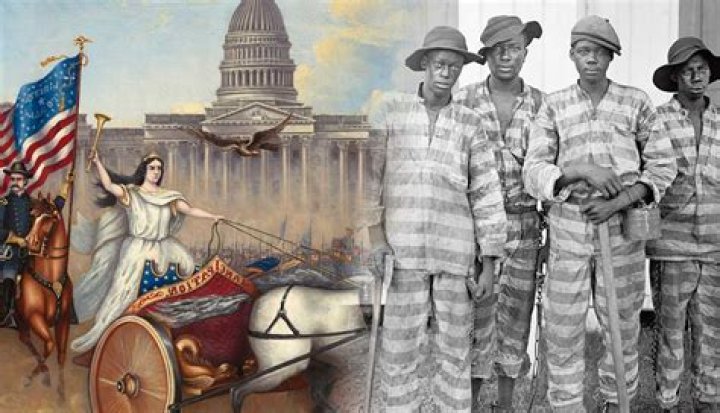
Slavery in America remains one of the darkest chapters in the nation's history, with its abolition being a pivotal moment in shaping modern society. The question of when American slavery was abolished is not only a historical inquiry but also a reflection of the struggles and triumphs of those who fought for equality and justice. Understanding the timeline and events leading to the abolition of slavery is crucial for comprehending the complexities of race relations today.
American slavery was a system entrenched for over two centuries, with roots dating back to the early colonial period. The journey toward its eradication was long, arduous, and marked by significant milestones that shaped the nation. From the Emancipation Proclamation to the ratification of the 13th Amendment, the fight for freedom was driven by abolitionists, enslaved individuals, and leaders who sought to dismantle this oppressive institution.
This article delves into the history of American slavery, the key events that led to its abolition, and the lasting impact on society. By exploring the timeline, individuals involved, and the socio-political dynamics, we aim to provide a comprehensive understanding of when American slavery was abolished and why it matters today.
Introduction to American Slavery
Slavery in America was a brutal system that lasted for more than 200 years, with its origins tracing back to the early 17th century. Enslaved Africans were forcibly brought to the colonies to work on plantations, contributing significantly to the economy of the southern states. Over time, the institution of slavery became deeply embedded in the fabric of American society, perpetuating racial inequality and economic exploitation.
Efforts to abolish slavery began as early as the late 18th century, driven by moral, religious, and political arguments. However, the southern states, heavily reliant on slave labor for their agricultural economy, resisted these efforts. The abolition movement gained momentum in the 19th century, culminating in the Civil War, which ultimately led to the end of slavery.
Timeline of American Slavery
The history of American slavery spans several centuries, with key events marking its rise and eventual abolition. Below is a timeline highlighting significant milestones:
- 1619: The first African slaves arrive in Jamestown, Virginia.
- 1808: The U.S. bans the importation of slaves, though domestic trade continues.
- 1861-1865: The Civil War breaks out, with slavery being a central issue.
- 1863: President Abraham Lincoln issues the Emancipation Proclamation.
- 1865: The 13th Amendment is ratified, officially abolishing slavery in the United States.
This timeline underscores the long and complex journey toward the abolition of slavery, highlighting the resilience and determination of those who fought against it.
The Emancipation Proclamation
The Emancipation Proclamation, issued by President Abraham Lincoln on January 1, 1863, was a turning point in the fight against slavery. Although it did not immediately free all enslaved people, it declared that all enslaved individuals in Confederate-held territory were to be set free. This executive order was a crucial step toward the eventual abolition of slavery and redefined the purpose of the Civil War as a struggle for human freedom.
Lincoln's decision to issue the Emancipation Proclamation was influenced by both moral and strategic considerations. By framing the war as a fight against slavery, the Union gained international support, particularly from European nations that had already abolished the practice. The proclamation also paved the way for the enlistment of African American soldiers in the Union Army, further bolstering the war effort.
The 13th Amendment
The ratification of the 13th Amendment on December 6, 1865, marked the official abolition of slavery in the United States. This constitutional amendment prohibited slavery and involuntary servitude, except as punishment for a crime. The passage of the 13th Amendment was a monumental achievement, fulfilling the promise of the Emancipation Proclamation and ensuring that slavery could never legally exist in the nation again.
Despite its significance, the 13th Amendment did not immediately address the systemic racism and economic exploitation that persisted after slavery. However, it laid the foundation for future civil rights movements and legal reforms aimed at achieving true equality.
Abolitionists and Key Figures
The abolitionist movement was fueled by the efforts of countless individuals who dedicated their lives to ending slavery. Key figures such as Frederick Douglass, Harriet Tubman, and William Lloyd Garrison played pivotal roles in advocating for the rights of enslaved people and raising awareness about the injustices of the system.
Frederick Douglass: A former enslaved person turned abolitionist leader, Douglass was a powerful orator and writer who used his experiences to highlight the horrors of slavery. His autobiography, "Narrative of the Life of Frederick Douglass," became a bestseller and a testament to the resilience of the human spirit.
Harriet Tubman: Known as the "Moses of her people," Tubman helped hundreds of enslaved individuals escape to freedom via the Underground Railroad. Her bravery and leadership made her a symbol of resistance and hope.
Subheading: Economic Effects
The abolition of slavery had profound economic implications for both the North and the South. In the South, the loss of slave labor disrupted the agricultural economy, forcing planters to adapt to a new system of wage labor. Meanwhile, the North experienced an economic boom, driven by industrialization and the integration of freedmen into the workforce.
Despite these changes, the economic transition was not without challenges. Many former enslaved individuals faced discrimination and exploitation in the post-slavery era, struggling to secure fair wages and opportunities.
Subheading: Social Reforms
Social reforms following the abolition of slavery aimed to address the inequalities and injustices perpetuated by the institution. The Reconstruction era saw the implementation of new laws and policies designed to protect the rights of African Americans, including the passage of the 14th and 15th Amendments.
However, the progress made during Reconstruction was short-lived, as Jim Crow laws and segregationist policies soon took hold in the South. The fight for civil rights continued into the 20th century, with movements like the Civil Rights Movement seeking to dismantle the remnants of slavery's legacy.
Impact on Society
The abolition of slavery had far-reaching effects on American society, shaping the nation's identity and values. It marked a turning point in the struggle for equality and justice, inspiring future generations to continue the fight against discrimination and inequality.
However, the legacy of slavery continues to influence contemporary issues such as racial disparities in education, healthcare, and criminal justice. Recognizing and addressing these disparities is essential for building a more just and equitable society.
Legacy of Abolition
The legacy of the abolition of slavery is a complex and multifaceted one, reflecting both the triumphs and challenges of the movement. While the eradication of slavery was a monumental achievement, it did not eliminate the systemic racism and discrimination that persisted in its wake.
Today, the fight for racial justice continues, with activists and organizations working to dismantle the structures of inequality that originated in the era of slavery. By understanding the history and legacy of abolition, we can better equip ourselves to create a more inclusive and equitable future.
Modern Perspective on Abolition
In the modern era, the abolition of slavery serves as a powerful reminder of the importance of human rights and social justice. It highlights the resilience and determination of those who fought against oppression and the ongoing need to address the injustices that continue to exist today.
As we reflect on the question of when American slavery was abolished, it is crucial to recognize the broader context of this history and its relevance to contemporary issues. By learning from the past, we can work toward a future where equality and justice are accessible to all.
Conclusion
The abolition of American slavery was a pivotal moment in history, marking the end of a brutal and oppressive system that lasted for over two centuries. Through the efforts of abolitionists, leaders, and enslaved individuals themselves, the fight for freedom and equality achieved a significant victory with the ratification of the 13th Amendment in 1865.
However, the legacy of slavery continues to impact society today, underscoring the importance of addressing racial disparities and promoting social justice. We invite you to share your thoughts and reflections in the comments below, and to explore other articles on our site that delve into the complexities of history and its relevance to our world today.
References:
- Blackett, R. J. M. (2012). The Civil War and the Color Line.
- Foner, E. (2010). Reconstruction: America's Unfinished Revolution, 1863-1877.
- McPherson, J. M. (1988). Battle Cry of Freedom: The Civil War Era.




