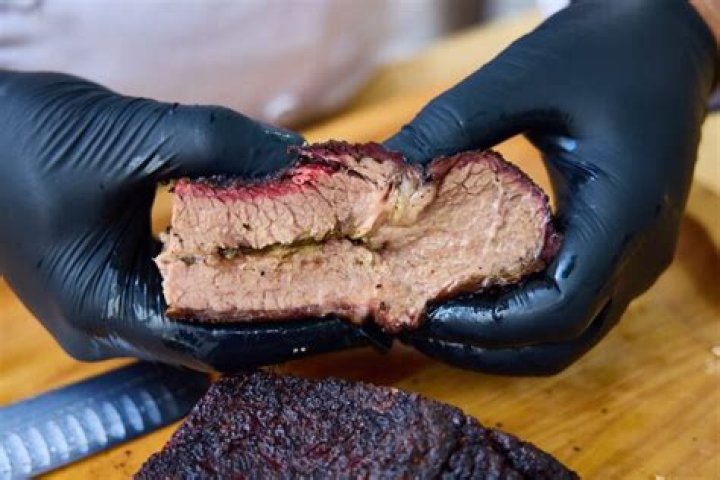
Smoking a brisket is an art that requires patience, precision, and the right techniques to achieve tender, juicy, and flavorful meat. One of the most debated topics in the world of barbecue is when to wrap your brisket. Wrapping your brisket at the right time can make a significant difference in its texture and flavor. This guide will explore the nuances of the wrapping process, helping you master the art of smoking brisket.
Whether you're a seasoned pitmaster or a barbecue enthusiast just starting out, understanding the best time to wrap your brisket is crucial. The process, often referred to as the "Texas crutch," involves wrapping the brisket in butcher paper or aluminum foil to retain moisture and speed up cooking. This technique can help you avoid the dreaded "stall" phase and ensure your brisket turns out perfectly every time.
In this article, we'll delve into the science behind wrapping, the best practices, and expert tips to help you achieve the perfect brisket. Let's dive into the details and discover how to elevate your barbecue game!
Brisket Smoking Overview
Smoking brisket is a beloved tradition in the world of barbecue, particularly in regions like Texas, where it has become a cultural staple. Brisket, a tough cut of beef from the chest area of the cow, requires long, slow cooking to transform its tough fibers into tender, melt-in-your-mouth goodness.
Mastering the art of smoking brisket involves understanding the different phases of cooking, including the initial smoking phase, the stall, and the finishing phase. Wrapping your brisket plays a crucial role in navigating these phases successfully.
When to Wrap Your Brisket
The Stall Phase
One of the key moments in brisket smoking is the "stall" phase. This occurs when the internal temperature of the brisket reaches around 150°F to 170°F. During this phase, the surface moisture evaporates, causing the cooking process to slow down significantly. Wrapping your brisket during the stall can help you bypass this phase and continue cooking efficiently.
When to wrap your brisket: Most pitmasters recommend wrapping the brisket when it reaches an internal temperature of 165°F to 175°F. This is the ideal time to wrap, as it allows the meat to continue cooking without losing too much moisture.
Types of Wrapping Materials
Butcher Paper vs. Aluminum Foil
Choosing the right wrapping material is essential for achieving the desired texture and flavor. There are two primary options: butcher paper and aluminum foil.
- Butcher Paper: Butcher paper allows for a slight amount of airflow, which helps retain the bark while keeping the brisket moist. It's a popular choice among professional pitmasters.
- Aluminum Foil: Foil provides a completely sealed environment, which speeds up cooking and ensures maximum moisture retention. However, it can result in a softer bark.
Benefits of Wrapping Brisket
Wrapping your brisket offers several advantages that can enhance the final product:
- Moisture Retention: Wrapping helps prevent the brisket from drying out, ensuring it remains juicy and tender.
- Speeds Up Cooking: By trapping steam and heat, wrapping reduces cooking time, allowing you to serve your brisket sooner.
- Improved Texture: Wrapping can help break down tough fibers, resulting in a more tender brisket.
These benefits make wrapping an essential step in the brisket smoking process.
Common Mistakes to Avoid
Avoiding Over-Wrapping
While wrapping your brisket is beneficial, over-wrapping can lead to undesirable results. Common mistakes include:
- Wrapping Too Early: Wrapping before the brisket reaches the stall phase can result in a soggy texture and a lack of bark development.
- Using the Wrong Material: Choosing the wrong wrapping material can affect the final taste and texture of the brisket.
- Not Re-Wrapping Properly: If the wrap becomes loose or torn, it can lead to moisture loss and uneven cooking.
By avoiding these mistakes, you can ensure your brisket turns out perfectly every time.
Temperature Guide for Wrapping
Understanding the ideal temperature for wrapping your brisket is crucial for achieving the best results. Here's a temperature guide to help you:
- Initial Smoking Phase: Smoke the brisket until it reaches an internal temperature of 165°F to 175°F.
- Wrapping Temperature: Wrap the brisket at this temperature to bypass the stall phase.
- Finishing Temperature: Continue cooking until the internal temperature reaches 200°F to 205°F for optimal tenderness.
Using a reliable meat thermometer is essential for monitoring these temperatures accurately.
The Science Behind the Stall
Understanding the Stall Phase
The stall phase occurs due to the evaporation of surface moisture from the brisket. As the brisket cooks, moisture escapes through the surface, causing the cooking process to slow down. This phase can last several hours, making it a frustrating part of the smoking process.
Wrapping the brisket during the stall phase helps trap the moisture, preventing it from evaporating and allowing the cooking process to continue uninterrupted. This scientific understanding is key to mastering the art of brisket smoking.
How Long Should You Wrap the Brisket?
Once you've wrapped your brisket, it's important to know how long to keep it wrapped. Generally, you should wrap the brisket for the remainder of the cooking process, or until it reaches the desired internal temperature of 200°F to 205°F.
However, if you're using butcher paper, you can unwrap the brisket during the final stages of cooking to allow the bark to re-crisp. This step is optional but can enhance the texture of the finished product.
Tips for a Perfect Brisket
Expert Tips to Elevate Your Brisket
Here are some additional tips to help you achieve a perfect brisket every time:
- Choose the Right Cut: Select a high-quality brisket with a good fat cap for optimal flavor and tenderness.
- Season Properly: Use a balanced spice rub to enhance the flavor without overpowering the natural taste of the meat.
- Monitor Temperature: Keep a close eye on the internal temperature of the brisket to ensure it cooks evenly.
- Rest the Brisket: Allow the brisket to rest for at least 30 minutes after cooking to let the juices redistribute.
By following these tips, you can take your brisket game to the next level.
Conclusion
Wrapping your brisket is a crucial step in achieving tender, flavorful, and juicy meat. By understanding the right time to wrap, the benefits of wrapping, and the common mistakes to avoid, you can elevate your barbecue skills and impress your friends and family with your culinary expertise.
We encourage you to try these techniques and share your results with us. Leave a comment below to let us know how your brisket turned out, and don't forget to explore our other articles for more barbecue tips and tricks. Happy smoking!
Data Source: National Center for Biotechnology Information, ScienceDirect, and Barbecue Bible.