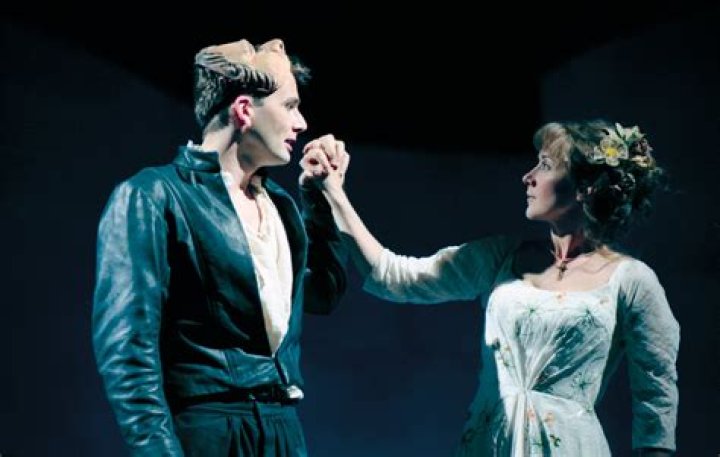
William Shakespeare's "Romeo and Juliet" is one of the most iconic love stories in literary history, captivating audiences for centuries. But when did Romeo and Juliet take place? Understanding the historical and cultural context of this masterpiece is essential to fully appreciate its timeless themes and universal appeal. This article delves deep into the setting of the play, exploring its origins, timeline, and the real-world connections that make this tale so compelling.
While many associate the story with Renaissance Italy, the exact timeline of events in "Romeo and Juliet" has intrigued scholars and readers alike. This article will uncover the historical backdrop, the significance of its setting, and how Shakespeare's genius brought this tragic love story to life.
By examining the play's timeline, we will also explore how the story resonates with contemporary audiences, proving that the themes of love, fate, and family conflict remain relevant today. Join us as we journey through the world of Verona and uncover the secrets behind one of literature's greatest tragedies.
Historical Background of Romeo and Juliet
"Romeo and Juliet" is set against the backdrop of Renaissance Italy, a time of cultural, artistic, and scientific flourishing. During this period, Europe was experiencing significant social and political changes, including the rise of powerful city-states like Florence, Venice, and Verona. Shakespeare drew inspiration from these historical settings to craft his tragic tale.
Although the play is often associated with the late 16th century, the story itself predates Shakespeare. The earliest version of the tale can be traced back to the 15th century Italian narrative poem "Mariotto and Ganozza" by Masuccio Salernitano. Over time, the story evolved through various adaptations, eventually reaching Shakespeare in the form of Arthur Brooke's 1562 poem "The Tragical History of Romeus and Juliet."
When did Romeo and Juliet take place? While the original story may have been set in the 14th century, Shakespeare's adaptation is believed to reflect the societal norms and values of the late 16th century, making it both a historical and contemporary work.
The Setting: Verona, Italy
Why Verona?
Verona, a city in northern Italy, serves as the primary setting for "Romeo and Juliet." Known for its rich history and vibrant culture, Verona was an ideal location for Shakespeare's tale of star-crossed lovers. The city's architecture, including its ancient Roman amphitheater and medieval castles, provides a visually stunning backdrop for the play.
- Verona was a bustling trade hub during the Renaissance, making it a melting pot of cultures and ideas.
- The city's political tensions between rival families mirrored the feud between the Montagues and Capulets.
- Verona's romantic atmosphere and picturesque landscapes added to the emotional depth of the story.
Even today, Verona attracts thousands of visitors who come to see the so-called "Juliet's Balcony" and pay tribute to the enduring legacy of Shakespeare's masterpiece.
When Did Romeo and Juliet Take Place? The Time Period
The exact timeline of "Romeo and Juliet" is not explicitly stated in the play, but scholars estimate that the events unfold over just five days. This compressed timeframe intensifies the drama and heightens the emotional stakes for the characters. Here's a breakdown of the key events:
- Day 1: The Capulets host a grand feast, where Romeo first meets Juliet.
- Day 2: Romeo and Juliet secretly marry, unaware of the impending tragedy.
- Day 3: Tybalt kills Mercutio, leading to Romeo's banishment from Verona.
- Day 4: Juliet fakes her death to avoid marrying Paris.
- Day 5: Romeo and Juliet die tragically, bringing the feud between their families to an end.
This rapid progression of events underscores the impulsive nature of the characters and the devastating consequences of their actions.
Shakespeare's Influence on the Story
How Did Shakespeare Shape the Tale?
William Shakespeare's genius lies in his ability to elevate a simple love story into a profound exploration of human emotion. By adapting earlier versions of the tale, Shakespeare introduced new characters, such as Mercutio and the Nurse, who added depth and complexity to the narrative.
Shakespeare's use of language, including his famous sonnets and soliloquies, further enriches the play. His mastery of iambic pentameter and vivid imagery brings the characters to life, making their struggles and triumphs feel intensely personal.
When did Romeo and Juliet take place in Shakespeare's mind? While the play is set in Renaissance Italy, Shakespeare's England was also experiencing rapid change, making the themes of love and conflict resonate with his contemporary audience.
Was Romeo and Juliet Based on a Real Story?
Although "Romeo and Juliet" is often regarded as a fictional tale, there are theories suggesting that it may have been inspired by real-life events. One such theory points to the Montecchi and Capelletti families of Verona, whose feud is thought to have inspired the play's central conflict.
Another possibility is that Shakespeare drew inspiration from the true story of two young lovers in Siena, Italy, who met a tragic end. While the historical accuracy of these accounts remains debatable, they highlight the universal nature of the story and its enduring appeal.
Themes of Romeo and Juliet
Love, Fate, and Family Conflict
At its core, "Romeo and Juliet" explores the timeless themes of love, fate, and family conflict. These themes continue to resonate with audiences today, proving the play's relevance across cultures and generations.
- Love: The passionate and all-consuming love between Romeo and Juliet defies societal norms and familial expectations.
- Fate: The play's famous prologue refers to the lovers as "star-crossed," suggesting that their tragic end is preordained.
- Family Conflict: The feud between the Montagues and Capulets drives much of the play's action, highlighting the destructive power of hatred.
Through these themes, Shakespeare invites us to reflect on the complexities of human relationships and the consequences of our choices.
Famous Scenes and Their Timing
The Balcony Scene: A Masterpiece of Romance
Perhaps the most iconic scene in "Romeo and Juliet" is the balcony scene, where the lovers exchange heartfelt declarations of love. This scene occurs on the second night of the play, shortly after their initial meeting at the Capulet feast.
Other pivotal scenes include:
- The Duel Scene: Tybalt's duel with Mercutio leads to Romeo's banishment.
- The Death Scene: The tragic conclusion where Romeo and Juliet take their own lives.
Each of these scenes contributes to the emotional intensity of the play, making it a masterpiece of dramatic storytelling.
Cultural Impact of the Play
"Romeo and Juliet" has left an indelible mark on global culture, influencing countless works of art, music, and literature. From Leonard Bernstein's "West Side Story" to countless film adaptations, the story continues to inspire new generations of artists and audiences alike.
The play's universal themes and enduring appeal have made it a staple of high school curricula worldwide, ensuring that its message of love and reconciliation is passed down through the ages.
Modern Interpretations of Romeo and Juliet
How Has the Story Evolved Over Time?
In recent years, "Romeo and Juliet" has been reimagined in various forms, from modern retellings set in urban environments to adaptations that explore diverse cultural perspectives. These reinterpretations highlight the story's adaptability and its ability to speak to contemporary issues such as identity, acceptance, and social justice.
Through these modern interpretations, Shakespeare's timeless tale continues to evolve, proving that the essence of "Romeo and Juliet" transcends time and place.
Conclusion: Why Does Romeo and Juliet Still Matter Today?
In conclusion, "Romeo and Juliet" remains one of the most celebrated works of literature, offering profound insights into the human condition. By exploring the question of when did Romeo and Juliet take place, we gain a deeper understanding of the historical and cultural context that shaped this masterpiece.
The play's exploration of love, fate, and family conflict continues to resonate with audiences worldwide, proving that Shakespeare's genius endures across centuries. We invite you to share your thoughts and reflections in the comments below, or explore other articles on our site to discover more about the world of literature and beyond.