Cell phones have become an integral part of modern life, but have you ever wondered when they first gained popularity? The rise of mobile phones is a fascinating journey that spans decades, marked by technological advancements and societal shifts. In this article, we will explore the pivotal moments in the history of cell phones and uncover the year when they truly became mainstream.
As we delve into the evolution of mobile communication, it becomes clear that the popularity of cell phones did not happen overnight. It was a gradual process driven by innovation, affordability, and changing consumer behavior. Understanding this timeline provides valuable insights into how cell phones transformed from luxury items to essential tools for everyday life.
This article aims to answer the question, "What year did cell phones become popular?" by examining key milestones, analyzing market trends, and exploring the cultural impact of mobile phones. By the end, you will have a clear understanding of the factors that contributed to the widespread adoption of cell phones.
The Early Days of Mobile Phones
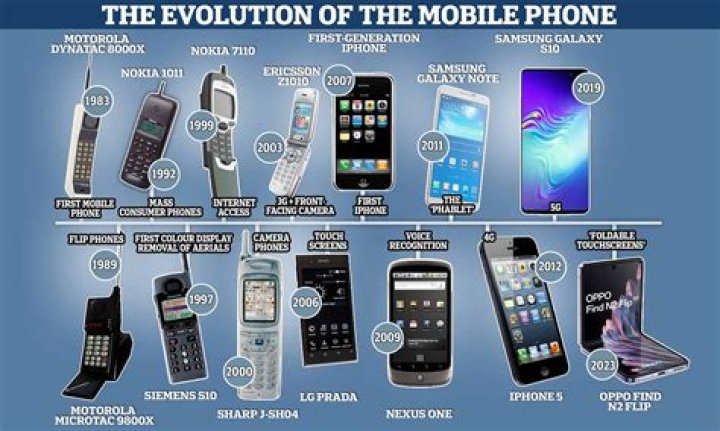
The concept of mobile communication dates back to the early 20th century, but it wasn't until the 1980s that cell phones began to take shape as we know them today. The first commercially available mobile phone, the Motorola DynaTAC 8000X, was introduced in 1983. While it was groundbreaking, it was also expensive and bulky, making it accessible only to a select few.
During this period, cell phones were seen as status symbols rather than everyday tools. They were primarily used by business professionals and affluent individuals who could afford the high price tag. Despite their limited functionality and size, these early devices laid the foundation for future innovations.
Key Milestones in Cell Phone History
The evolution of cell phones is marked by several key milestones that contributed to their popularity. Here are some of the most significant moments:
- 1983: Motorola launches the first commercially available mobile phone, the DynaTAC 8000X.
- 1991: The first GSM network is launched in Finland, enabling global roaming and more affordable calling rates.
- 1996: Nokia releases the Nokia 9000 Communicator, combining a mobile phone with a personal digital assistant (PDA).
- 2000: SMS messaging becomes widely adopted, revolutionizing how people communicate.
- 2007: Apple introduces the iPhone, setting a new standard for smartphone design and functionality.
What Year Did Cell Phones Become Popular?
The exact year when cell phones became popular is a matter of perspective, but most experts agree that the late 1990s and early 2000s were pivotal. By the late 1990s, cell phones had become more affordable and accessible to the general public. Manufacturers like Nokia, Motorola, and Ericsson were producing sleeker, more user-friendly devices that appealed to a broader audience.
One of the key indicators of popularity was the number of mobile phone subscriptions. According to the International Telecommunication Union (ITU), the number of mobile subscriptions surpassed 1 billion in 2001, marking a significant milestone in the global adoption of cell phones.
The Role of Affordability
As production costs decreased and competition among manufacturers intensified, the price of cell phones dropped significantly. This made them more affordable for the average consumer. Additionally, the introduction of prepaid plans and contract options provided flexibility and accessibility, further driving adoption.
The Influence of Advertising
Advertising played a crucial role in popularizing cell phones. Companies invested heavily in marketing campaigns that highlighted the convenience and lifestyle benefits of owning a mobile phone. Iconic advertisements, such as Nokia's "Connecting People" slogan, resonated with consumers and reinforced the idea that cell phones were essential for modern living.
Technological Advancements That Drove Popularity
Technological advancements were instrumental in making cell phones more appealing to consumers. Some of the key innovations include:
- Smaller Size: Advances in miniaturization allowed manufacturers to produce smaller, more portable devices.
- Improved Battery Life: Enhanced battery technology enabled longer usage without frequent recharging.
- Enhanced Features: The addition of features like cameras, internet access, and multimedia capabilities made cell phones more versatile.
These advancements not only improved the functionality of cell phones but also expanded their appeal to a wider audience.
Market Adoption and Consumer Trends
The adoption of cell phones was influenced by various consumer trends. As people became more reliant on mobile communication, the demand for cell phones grew exponentially. Studies show that by 2005, over 50% of the global population owned a mobile phone. This rapid adoption was driven by factors such as:
- Increased awareness of the benefits of mobile communication.
- Improved network coverage and reliability.
- Greater affordability and accessibility.
Cultural Impact of Cell Phones
Cell phones have had a profound impact on culture and society. They have transformed the way we communicate, work, and interact with the world around us. Some of the cultural changes brought about by cell phones include:
- Instant Communication: Cell phones enable instant communication, breaking down barriers of distance and time.
- Global Connectivity: They have connected people across the globe, fostering greater understanding and collaboration.
- Changing Social Norms: The prevalence of cell phones has influenced social behavior, from how we meet friends to how we consume media.
Relevant Statistics and Data
To better understand the popularity of cell phones, let's look at some relevant statistics:
- As of 2023, there are over 8 billion mobile phone subscriptions worldwide.
- Smartphone ownership has surpassed 85% in many developed countries.
- The global mobile phone market is projected to reach $1.5 trillion by 2025.
These figures underscore the immense popularity and importance of cell phones in modern society.
The Future Direction of Cell Phones
As technology continues to evolve, the future of cell phones looks promising. Innovations such as 5G networks, foldable screens, and augmented reality are set to redefine the mobile experience. Additionally, the integration of artificial intelligence and IoT (Internet of Things) will further enhance the capabilities of cell phones.
While the journey of cell phones has been remarkable, their continued evolution promises even greater possibilities. As we move forward, it will be exciting to see how these devices shape the future of communication and technology.
Conclusion
In conclusion, the question "What year did cell phones become popular?" can be answered by examining the key milestones and trends that shaped their adoption. While the late 1990s and early 2000s were pivotal, the popularity of cell phones continues to grow as technology advances and consumer needs evolve.
We invite you to share your thoughts and experiences with cell phones in the comments below. Additionally, feel free to explore other articles on our site for more insights into technology and its impact on our lives. Thank you for reading, and don't forget to share this article with your friends and family!
Data sources for this article include reputable organizations such as the International Telecommunication Union (ITU), Pew Research Center, and various industry reports. These sources provide reliable and up-to-date information on the history and impact of cell phones.