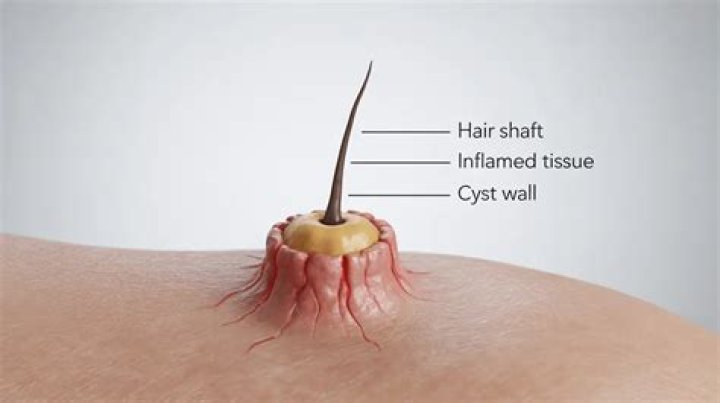
Ingrown hair cysts can be uncomfortable, unsightly, and sometimes even painful. If you're dealing with this common skin condition, it's essential to know what to put on an ingrown hair cyst to promote healing and prevent infection. This article will guide you through the best practices, treatments, and preventive measures to manage ingrown hair cysts effectively.
Ingrown hairs occur when a hair grows back into the skin instead of rising to the surface. While they are generally harmless, they can lead to cysts, which are deeper, more painful, and harder to treat. Understanding the causes and treatments can help you avoid complications and ensure your skin stays healthy.
In this guide, we'll cover everything you need to know about treating ingrown hair cysts, from over-the-counter remedies to professional treatments. Whether you're dealing with a minor irritation or a more severe cyst, this article will provide you with the information you need to make informed decisions about your skin care.
What Causes Ingrown Hair Cysts?
Ingrown hair cysts are typically caused by hairs that curl back into the skin or become trapped beneath it. This can happen due to several factors, including improper shaving techniques, clogged pores, or genetic predispositions. Understanding the root causes can help you take preventive measures.
Common Causes:
- Shaving too closely, which can cause hairs to grow back into the skin.
- Waxing or plucking, which may irritate the hair follicle and lead to ingrown hairs.
- Clogged pores from dead skin cells, dirt, or oil.
- Genetic factors that make certain individuals more prone to ingrown hairs.
Factors That Increase Risk
Certain factors can increase your risk of developing ingrown hair cysts, such as thick or curly hair, improper grooming habits, and skin conditions like acne or dermatitis. Identifying these risk factors can help you take proactive steps to protect your skin.
How to Recognize an Ingrown Hair Cyst
Recognizing an ingrown hair cyst early can help you address the issue before it worsens. These cysts often appear as raised, painful bumps that may resemble pimples or boils. They can occur anywhere on the body where hair grows, but are most common in areas frequently shaved or waxed.
Symptoms of Ingrown Hair Cysts:
- Red, swollen bumps on the skin.
- Pain or tenderness in the affected area.
- Pus or discharge from the cyst.
- Itching or irritation around the cyst.
When to See a Doctor
In some cases, ingrown hair cysts may require medical attention. If the cyst becomes severely inflamed, infected, or persists for several weeks, it's important to consult a dermatologist. Early intervention can prevent complications and ensure proper healing.
What to Put on Ingrown Hair Cyst
When treating an ingrown hair cyst, it's crucial to use the right products and methods to promote healing and prevent infection. The following treatments are effective for managing ingrown hair cysts:
1. Warm Compress: Applying a warm compress to the affected area can help reduce swelling and encourage the cyst to drain naturally. Soak a clean cloth in warm water and apply it to the cyst for 10-15 minutes, several times a day.
2. Topical Creams: Over-the-counter creams containing benzoyl peroxide or salicylic acid can help reduce inflammation and prevent infection. These products work by exfoliating the skin and unclogging pores.
3. Tea Tree Oil: Known for its antibacterial properties, tea tree oil can be applied to the cyst to reduce inflammation and promote healing. Dilute the oil with a carrier oil before applying it to the skin.
Choosing the Right Treatment
Selecting the appropriate treatment depends on the severity of the cyst and your skin type. For mild cases, home remedies and over-the-counter products may suffice. However, more severe cysts may require professional intervention.
Home Remedies for Ingrown Hair Cysts
Home remedies can be effective for treating mild ingrown hair cysts. These natural treatments are often gentle on the skin and can be used in conjunction with other treatments.
Effective Home Remedies:
- Aloe Vera: Known for its soothing properties, aloe vera can help reduce redness and irritation.
- Honey: With its natural antibacterial properties, honey can help prevent infection and promote healing.
- Apple Cider Vinegar: This remedy can help exfoliate the skin and reduce inflammation when diluted with water.
Tips for Using Home Remedies
When using home remedies, it's important to patch test them on a small area of skin first to ensure you don't have an adverse reaction. Additionally, avoid using harsh chemicals or abrasive scrubs, as these can irritate the skin and worsen the cyst.
Over-the-Counter Treatments
Over-the-counter treatments are widely available and can be effective for managing ingrown hair cysts. These products often contain ingredients like benzoyl peroxide, salicylic acid, or hydrocortisone, which help reduce inflammation and prevent infection.
Popular OTC Products:
- Benzoyl Peroxide Cream: Helps kill bacteria and reduce inflammation.
- Salicylic Acid Cleanser: Exfoliates the skin and unclogs pores.
- Hydrocortisone Cream: Reduces itching and irritation.
How to Use OTC Products Safely
Always follow the instructions on the product label and consult a pharmacist if you're unsure about usage. Overusing these products can lead to skin irritation or dryness, so it's important to use them in moderation.
Professional Treatments for Ingrown Hair Cysts
In some cases, professional treatments may be necessary to address severe or persistent ingrown hair cysts. Dermatologists can offer a range of treatments, including:
1. Extraction: A dermatologist can safely extract the ingrown hair to prevent further irritation.
2. Laser Hair Removal: This treatment can reduce the risk of future ingrown hairs by permanently removing hair follicles.
3. Prescription Medications: If the cyst becomes infected, a doctor may prescribe antibiotics or other medications to treat the condition.
When to Consider Professional Help
Seek professional help if the cyst doesn't improve with home treatments, becomes infected, or causes significant discomfort. Early intervention can prevent complications and ensure proper healing.
Preventing Ingrown Hair Cysts
Preventing ingrown hair cysts involves adopting healthy grooming habits and taking care of your skin. The following tips can help reduce your risk of developing these cysts:
Preventive Measures:
- Shave in the direction of hair growth to avoid cutting the hair too short.
- Use a sharp, clean razor and apply shaving cream or gel to protect the skin.
- Exfoliate regularly to remove dead skin cells and prevent clogged pores.
- Moisturize the skin after shaving to keep it hydrated and healthy.
The Importance of Skin Care
Proper skin care is essential for preventing ingrown hair cysts. Keeping your skin clean, exfoliated, and moisturized can help reduce the risk of developing these painful cysts.
The Role of Diet in Skin Health
Your diet can play a significant role in maintaining healthy skin. Consuming a balanced diet rich in vitamins, minerals, and antioxidants can help reduce inflammation and promote healing.
Nutrients for Skin Health:
- Vitamin A: Supports skin cell turnover and prevents clogged pores.
- Vitamin C: Boosts collagen production and reduces inflammation.
- Zinc: Promotes wound healing and reduces acne-like symptoms.
Hydration and Skin Health
Staying hydrated is crucial for maintaining healthy skin. Drinking plenty of water helps flush out toxins and keeps your skin looking fresh and radiant.
Frequently Asked Questions
Q1: Can ingrown hair cysts lead to scarring?
Yes, if not treated properly, ingrown hair cysts can lead to scarring. Avoid picking or squeezing the cyst, as this can worsen the condition and increase the risk of scarring.
Q2: How long does it take for an ingrown hair cyst to heal?
Most ingrown hair cysts will heal within a few weeks with proper care. However, severe or infected cysts may take longer to resolve and may require medical treatment.
Q3: Are there any natural remedies for ingrown hair cysts?
Yes, several natural remedies, such as aloe vera, honey, and tea tree oil, can help reduce inflammation and promote healing. Always patch test these remedies before applying them to the affected area.
Conclusion: Taking Control of Your Skin Health
In conclusion, knowing what to put on an ingrown hair cyst is essential for effective treatment and prevention. By understanding the causes, recognizing the symptoms, and using the right treatments, you can manage this common skin condition and maintain healthy skin.
We encourage you to share your experiences and tips in the comments section below. Additionally, feel free to explore other articles on our site for more information on skin care and wellness. Remember, taking proactive steps to care for your skin can make a significant difference in your overall health and well-being.