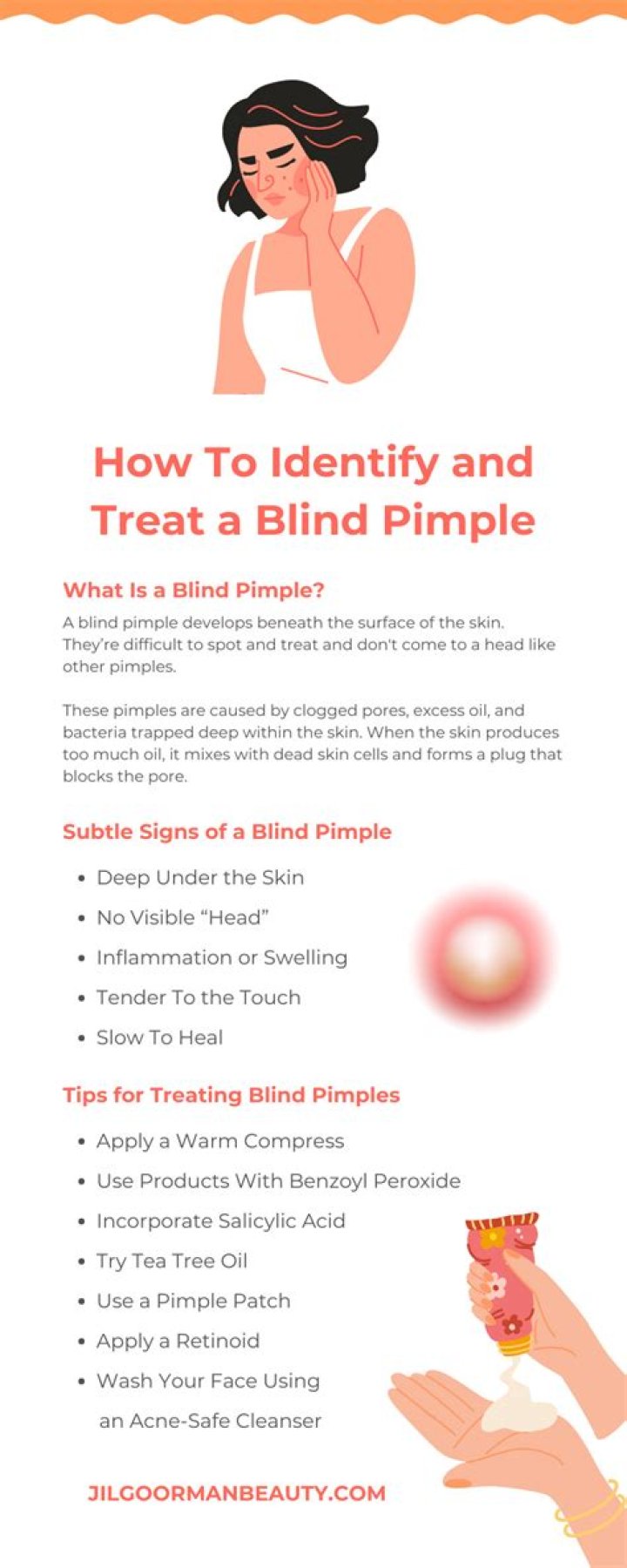
Blind pimples are a common skin concern that can cause discomfort and affect your confidence. These pesky bumps appear under the skin, often painful and stubborn, making them difficult to treat. Unlike regular pimples, blind pimples do not have a visible head, which can make it challenging to address them effectively. If you're dealing with a blind pimple, you're not alone, and there are several strategies you can adopt to manage and treat them.
Blind pimples occur when pores become clogged with oil, dead skin cells, and bacteria, leading to inflammation beneath the skin's surface. They are often more painful than regular pimples due to the pressure they exert on the surrounding tissue. Understanding the root causes and treatment options can help you combat this skin issue and prevent future breakouts.
In this article, we will explore what blind pimples are, their causes, effective treatments, and prevention strategies. Whether you're looking for home remedies, over-the-counter solutions, or professional treatments, this guide will provide you with all the information you need to tackle blind pimples effectively. Let's dive in!
What is a Blind Pimple?
A blind pimple is a type of acne that forms under the skin without a visible head. Unlike regular pimples, blind pimples are often more painful and inflamed due to the buildup of oil, bacteria, and dead skin cells trapped beneath the skin's surface. These pimples can appear as hard, red, or swollen bumps that are tender to the touch.
Blind pimples are a form of cystic acne and can occur anywhere on the face or body. They are particularly common on the chin, jawline, and cheeks, where oil glands are more active. Understanding what a blind pimple is and how it differs from other types of acne is crucial in determining the best course of treatment.
Causes of Blind Pimples
Several factors contribute to the development of blind pimples. Hormonal changes, particularly during puberty, menstruation, or pregnancy, can increase oil production in the skin, leading to clogged pores and inflammation. Stress and poor skincare habits can also exacerbate the condition.
Additionally, certain lifestyle factors such as diet, lack of sleep, and inadequate hydration can increase the likelihood of developing blind pimples. Genetics may also play a role, as some individuals are more prone to acne due to their genetic makeup.
Symptoms of Blind Pimples
Blind pimples are characterized by their lack of a visible head and their painful, swollen appearance. Common symptoms include:
- Pain or tenderness in the affected area
- Redness or discoloration of the skin
- Swelling or inflammation
- A hard lump beneath the skin
These symptoms can vary in severity depending on the individual and the underlying cause of the pimple. Early identification and treatment can help reduce discomfort and prevent scarring.
How to Treat Blind Pimples
Treating blind pimples requires a combination of gentle care and effective remedies. Depending on the severity of the pimple, you may choose to use home remedies, over-the-counter treatments, or seek professional help from a dermatologist.
Home Remedies for Blind Pimples
Home remedies can be an effective way to reduce inflammation and promote healing. Some popular options include:
- Warm compress: Applying a warm compress to the affected area can help reduce swelling and draw out the pimple.
- Tea tree oil: Known for its antibacterial properties, tea tree oil can help reduce inflammation and fight acne-causing bacteria.
- Honey: Honey is a natural antiseptic that can soothe the skin and promote healing.
These remedies are gentle on the skin and can be used in conjunction with other treatments for optimal results.
Over-the-Counter Options
Over-the-counter treatments can provide quick relief for blind pimples. Products containing benzoyl peroxide, salicylic acid, or sulfur are effective in reducing inflammation and unclogging pores. It's important to follow the instructions carefully and avoid overusing these products, as they can cause skin irritation if used excessively.
When to See a Dermatologist
If your blind pimples persist despite home remedies and over-the-counter treatments, it may be time to consult a dermatologist. A dermatologist can provide a more thorough evaluation of your skin and recommend personalized treatment options. In severe cases, prescription medications such as retinoids or antibiotics may be necessary to manage the condition.
Professional Treatments for Blind Pimples
Professional treatments for blind pimples include:
- Cortisone injections: These injections can quickly reduce inflammation and flatten the pimple.
- Chemical peels: Chemical peels can help exfoliate the skin and unclog pores, preventing future breakouts.
- Laser therapy: Laser treatments can target acne-causing bacteria and reduce inflammation.
These treatments are typically reserved for severe or persistent cases of blind pimples and should only be performed by a licensed professional.
Preventing Blind Pimples
Preventing blind pimples involves adopting a consistent skincare routine and making healthy lifestyle choices. Key strategies include:
- Cleansing your face twice daily with a gentle cleanser
- Moisturizing regularly to keep skin hydrated
- Using non-comedogenic skincare and makeup products
- Exfoliating weekly to remove dead skin cells
By incorporating these practices into your daily routine, you can reduce the likelihood of developing blind pimples and maintain healthier skin.
Common Mistakes to Avoid
When dealing with blind pimples, it's important to avoid common mistakes that can worsen the condition. These include:
- Picking or squeezing the pimple, which can lead to infection and scarring
- Using harsh or abrasive skincare products that can irritate the skin
- Over-cleansing, which can strip the skin of its natural oils and lead to further breakouts
By avoiding these mistakes, you can promote faster healing and prevent future breakouts.
Diet and Lifestyle Tips
Your diet and lifestyle can significantly impact your skin health. To reduce the risk of blind pimples, consider the following tips:
- Consume a balanced diet rich in fruits, vegetables, and whole grains
- Stay hydrated by drinking plenty of water throughout the day
- Get adequate sleep and manage stress through relaxation techniques
These lifestyle changes can improve overall skin health and reduce the likelihood of developing blind pimples.
Conclusion and Next Steps
Blind pimples can be frustrating, but with the right approach, they can be effectively managed and treated. By understanding their causes, symptoms, and treatment options, you can take proactive steps to improve your skin health. Incorporating a consistent skincare routine, making healthy lifestyle choices, and seeking professional help when necessary can help you achieve clearer, healthier skin.
We encourage you to share your thoughts and experiences in the comments below. If you found this article helpful, don't forget to share it with your friends and family. For more skincare tips and advice, explore our other articles on the site. Remember, taking care of your skin is an investment in your overall well-being!




