Value-added tax, commonly known as VAT, is a crucial component of modern fiscal systems worldwide. It is a consumption-based tax levied at each stage of the supply chain, from production to the point of sale. Understanding VAT is essential for businesses, consumers, and policymakers alike, as it impacts economic activities and government revenue. In this article, we will delve into the intricacies of VAT, its benefits, challenges, and how it affects everyday life.
VAT tax plays a pivotal role in shaping fiscal policies across the globe. By taxing goods and services at each stage of production and distribution, it ensures a fair distribution of tax burdens. This article aims to provide a detailed overview of VAT, helping readers grasp its significance and application in various contexts.
Whether you're a business owner, accountant, or simply someone interested in taxation, understanding VAT is essential. This article will explore its definition, history, implementation, and implications, ensuring that you have a holistic understanding of this critical tax mechanism.
What is VAT Tax?
VAT tax, or value-added tax, is a type of indirect tax levied on the added value of goods and services at each stage of production and distribution. Unlike traditional sales taxes, which are only applied at the final point of sale, VAT is collected incrementally throughout the supply chain. This ensures that businesses and consumers contribute to government revenue at multiple stages of economic activity.
VAT is designed to be neutral, meaning it does not distort the cost of production or trade. It is calculated as a percentage of the value added at each stage, making it a transparent and efficient method of taxation. The ultimate burden of VAT typically falls on the end consumer, as businesses can reclaim the VAT they pay on inputs.
Key Features of VAT Tax
VAT has several defining characteristics that set it apart from other forms of taxation:
- Multi-stage Taxation: VAT is applied at each stage of production, from raw materials to finished products.
- Neutral Impact: It does not favor or disadvantage any particular industry or product.
- Input Tax Credits: Businesses can claim back the VAT they pay on purchases, reducing their overall tax burden.
History of VAT Tax
The concept of VAT originated in the early 20th century, with the first implementation occurring in France in the 1940s. Since then, VAT has become a widely adopted tax system, with over 160 countries implementing some form of value-added tax. Its popularity stems from its ability to generate significant revenue while minimizing economic distortions.
Historically, VAT was developed as an alternative to traditional sales taxes, which were seen as inefficient and prone to evasion. By taxing value added at each stage of production, VAT ensures a more equitable distribution of tax burdens and reduces opportunities for tax avoidance.
Evolution of VAT Tax
Over the years, VAT systems have evolved to address new economic challenges and technological advancements. Modern VAT frameworks incorporate digital solutions, such as e-invoicing and automated tax reporting, to enhance compliance and reduce administrative burdens.
How VAT Tax Works
VAT operates through a mechanism known as the "tax credit method." Under this system, businesses calculate the VAT they owe by subtracting the VAT they paid on inputs from the VAT they collected on outputs. This ensures that only the value added at each stage is taxed.
For example, consider a manufacturer who produces goods worth $100 with a VAT rate of 10%. If the manufacturer pays $10 in VAT on raw materials and collects $11 in VAT on the final product, they would only owe $1 in VAT to the government ($11 - $10).
Steps in VAT Calculation
- Identify the VAT rate applicable to the product or service.
- Calculate the VAT on inputs (purchases).
- Calculate the VAT on outputs (sales).
- Subtract input VAT from output VAT to determine the net VAT liability.
VAT Tax Rates Around the World
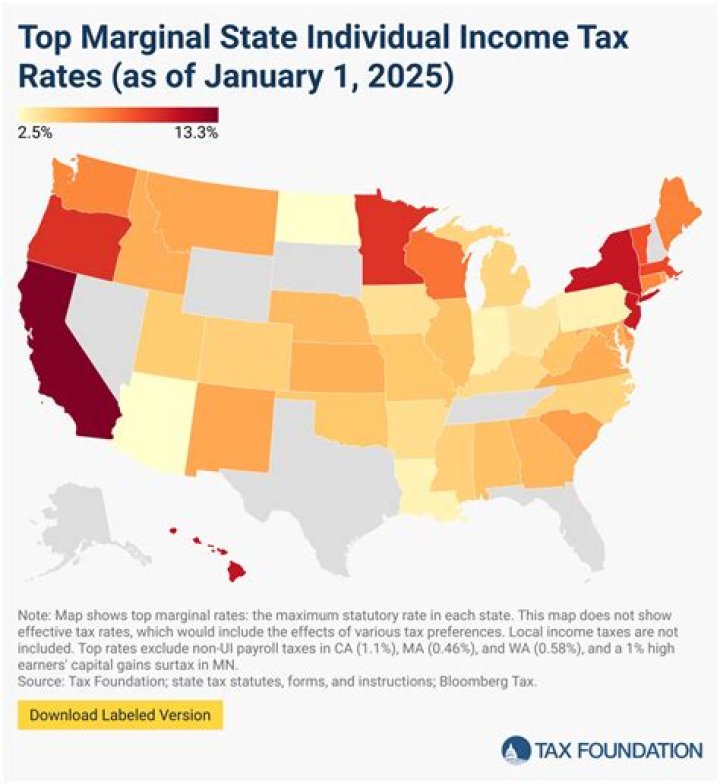
VAT rates vary significantly across countries, depending on economic policies and government revenue needs. For instance, European Union member states are required to impose a standard VAT rate of at least 15%, with some countries setting rates as high as 27%. In contrast, countries like the United States do not have a federal VAT system, relying instead on state-level sales taxes.
Some countries offer reduced VAT rates for essential goods and services, such as food, healthcare, and education. This ensures that basic necessities remain affordable for consumers while still generating revenue for governments.
Comparison of VAT Rates
Below is a table summarizing VAT rates in selected countries:
| Country | Standard VAT Rate | Reduced VAT Rate |
|---|---|---|
| Germany | 19% | 7% |
| Japan | 10% | 8% |
| South Africa | 15% | 0% |
Benefits of VAT Tax
VAT offers several advantages to governments, businesses, and consumers. Firstly, it generates substantial revenue for public services and infrastructure development. Secondly, its multi-stage application ensures a broad tax base, reducing reliance on income or corporate taxes. Additionally, VAT promotes transparency and fairness in the tax system by taxing consumption rather than income.
For businesses, VAT simplifies tax compliance through input tax credits, allowing them to reclaim taxes paid on purchases. This reduces cash flow constraints and encourages investment in production and innovation.
Key Benefits of VAT
- Efficient revenue generation for governments.
- Neutral impact on economic activities.
- Reduced administrative burdens for businesses.
Challenges of VAT Tax
Despite its advantages, VAT is not without challenges. One major issue is the complexity of its implementation, particularly for small businesses with limited resources. Compliance costs can be significant, requiring businesses to invest in accounting systems and tax expertise.
Another challenge is the potential for VAT fraud, such as carousel fraud, where goods are imported and exported across borders to evade tax payments. Governments must implement robust monitoring and enforcement mechanisms to combat such activities.
Addressing VAT Challenges
To overcome these challenges, many countries are adopting digital solutions, such as electronic invoicing and real-time tax reporting. These technologies enhance transparency and reduce opportunities for fraud, ensuring a more efficient and equitable VAT system.
VAT Tax Compliance
VAT compliance involves adhering to legal requirements and submitting accurate tax returns. Businesses must register for VAT if their turnover exceeds a specified threshold, which varies by country. Once registered, they are required to issue VAT invoices, maintain detailed records, and file periodic tax returns.
Failure to comply with VAT regulations can result in penalties, fines, or legal action. Therefore, it is crucial for businesses to stay informed about VAT laws and seek professional advice when necessary.
Steps for VAT Compliance
- Register for VAT if eligible.
- Issue VAT invoices for all taxable transactions.
- Maintain accurate records of inputs and outputs.
- File VAT returns on time and pay any outstanding liabilities.
VAT Tax vs. Sales Tax
While both VAT and sales tax are consumption-based taxes, they differ in their implementation and impact. Sales tax is typically applied only at the final point of sale, whereas VAT is levied at every stage of production and distribution. This makes VAT more comprehensive and less prone to evasion.
Another key difference is the treatment of input taxes. Under VAT, businesses can reclaim the tax paid on inputs, reducing their overall tax burden. In contrast, sales tax is a single-stage tax that does not allow for input tax credits.
Comparison of VAT and Sales Tax
- VAT is multi-stage, while sales tax is single-stage.
- VAT allows input tax credits, while sales tax does not.
- VAT is considered more efficient and equitable than sales tax.
VAT Tax in Business Operations
VAT plays a critical role in business operations, influencing pricing strategies, cash flow management, and compliance practices. Businesses must carefully consider VAT implications when setting prices, as it directly affects consumer affordability and competitiveness.
Effective VAT management can enhance business performance by optimizing cash flow and reducing tax liabilities. This requires a thorough understanding of VAT regulations and the ability to implement efficient accounting systems.
Best Practices for VAT Management
- Regularly review VAT regulations for updates and changes.
- Invest in accounting software to streamline VAT calculations and reporting.
- Seek professional advice for complex VAT issues.
The Future of VAT Tax
As global economies continue to evolve, VAT systems are likely to adapt to new challenges and opportunities. The rise of digital commerce and cross-border transactions will require enhanced cooperation between countries to ensure fair and efficient VAT collection. Additionally, the integration of artificial intelligence and blockchain technologies could revolutionize VAT compliance and administration.
Looking ahead, VAT will remain a cornerstone of fiscal policy, providing governments with the resources needed to address social and economic challenges. By embracing innovation and collaboration, countries can ensure that VAT remains a fair, efficient, and effective tax system for generations to come.
Conclusion
In conclusion, VAT tax is a vital component of modern fiscal systems, offering numerous benefits to governments, businesses, and consumers. Its multi-stage application, neutrality, and efficiency make it an attractive choice for countries seeking to generate revenue while minimizing economic distortions. However, challenges such as complexity and fraud must be addressed to ensure its continued success.
We encourage readers to share their thoughts and experiences with VAT in the comments section below. Additionally, feel free to explore other articles on our website for more insights into taxation and economic policies.



