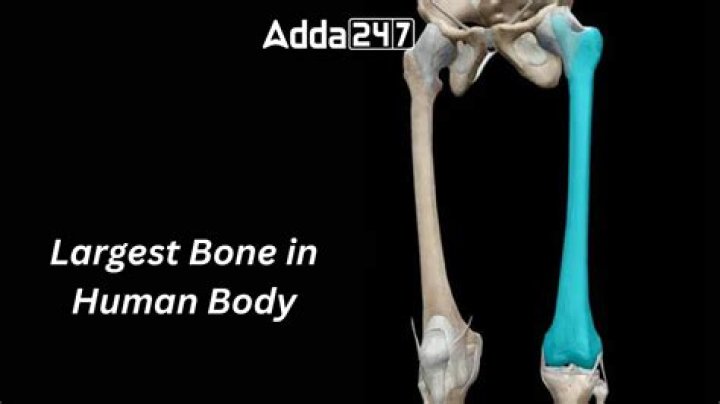
When it comes to understanding the human body, one of the most fascinating aspects is the skeletal system. Among the 206 bones in the adult human body, there is one that stands out as the largest and strongest. The largest bone in the human body plays a crucial role in supporting our weight, enabling movement, and protecting vital organs. If you're curious about this remarkable bone and its functions, you've come to the right place.
In this article, we will explore the largest bone in the human body, delving into its structure, functions, and significance. Whether you're a student, a healthcare professional, or simply someone interested in human anatomy, this guide will provide you with a detailed understanding of this essential component of the skeletal system.
By the end of this article, you will have a clear picture of the largest bone in the human body and how it contributes to overall health and well-being. Let's dive in!
Introduction to the Largest Bone
The human skeletal system is a marvel of engineering, with each bone playing a specific role in maintaining balance, movement, and protection. Among these bones, the femur is widely regarded as the largest bone in the human body. Measuring approximately 48 cm (19 inches) in adults, the femur is not only the longest but also the strongest bone, capable of supporting significant weight and stress.
Anatomical Overview
The femur is located in the thigh region and extends from the hip joint to the knee joint. Its robust structure makes it ideal for bearing the weight of the upper body while facilitating movement. The bone's density and composition contribute to its strength, making it a vital component of the lower limb.
Importance in Human Anatomy
Understanding the role of the femur in human anatomy is crucial for comprehending overall body mechanics. From walking and running to standing and lifting, the femur plays an indispensable role in daily activities. Its connection with major muscles and joints ensures seamless coordination and movement.
Anatomy of the Largest Bone
The femur is a long, cylindrical bone with distinct anatomical features that enhance its functionality. It consists of three main parts: the proximal end, the shaft, and the distal end. Each part has a unique structure and role in the skeletal system.
Proximal End
The proximal end of the femur includes the head, neck, and greater and lesser trochanters. These structures are crucial for articulation with the pelvis at the hip joint. The head of the femur fits into the acetabulum, forming a ball-and-socket joint that allows for a wide range of motion.
Shaft
The shaft of the femur is its elongated middle portion, characterized by its strong, dense cortical bone. This section provides structural integrity and serves as an attachment point for various muscles, including the quadriceps and hamstrings. The medullary cavity within the shaft houses bone marrow, which is responsible for producing blood cells.
Functions of the Largest Bone
The femur performs several critical functions that are essential for human mobility and health. Below are some of its primary roles:
- Weight Support: The femur supports the weight of the upper body, distributing it evenly to the lower limbs.
- Movement Facilitation: It works in conjunction with muscles and joints to enable walking, running, and other physical activities.
- Blood Cell Production: The bone marrow within the femur produces red and white blood cells, contributing to overall blood health.
- Protection: The femur helps shield vital structures, such as nerves and blood vessels, in the thigh region.
Comparison with Other Bones
While the femur is the largest bone in the human body, it is not the only significant bone. Comparing it with other bones highlights its unique characteristics:
Tibia vs. Femur
The tibia, located below the femur, is the second-largest bone in the body. Although it is strong, it is shorter and less robust than the femur. The tibia primarily supports weight transfer from the femur to the ankle joint.
Humerus vs. Femur
The humerus, the longest bone in the upper limb, is shorter and less dense than the femur. While both bones are essential for movement, the femur's larger size and strength make it better suited for weight-bearing activities.
Biological Significance
The femur's biological significance extends beyond its structural role. It plays a pivotal role in the body's biomechanics, ensuring efficient movement and energy expenditure. Additionally, its bone marrow is a vital component of the hematopoietic system, responsible for producing blood cells.
Growth and Development
During childhood and adolescence, the femur undergoes significant growth, driven by the activity of growth plates located near its ends. These plates allow the bone to lengthen and mature until adulthood, when they fuse and stop growing.
Health and Longevity
Maintaining the health of the femur is crucial for overall well-being. Factors such as nutrition, exercise, and genetics influence its strength and resilience. Adequate calcium and vitamin D intake, along with regular physical activity, can help preserve bone density and prevent fractures.
Health Considerations
Like any other bone, the femur is susceptible to injuries and conditions that can affect its function. Understanding these health considerations is essential for maintaining optimal skeletal health.
Osteoporosis
Osteoporosis is a condition characterized by weakened bones, increasing the risk of fractures. The femur, particularly its neck, is a common site for osteoporotic fractures. Preventive measures, such as calcium supplementation and weight-bearing exercises, can reduce the likelihood of developing this condition.
Fractures
Femur fractures are serious injuries that require prompt medical attention. They can occur due to high-impact trauma, such as car accidents or falls from height. Treatment options include surgical intervention, casting, and rehabilitation to restore mobility.
Common Injuries and Treatments
Injuries to the femur can range from minor stress fractures to severe compound fractures. Proper diagnosis and treatment are essential for effective recovery.
Prevention Strategies
Preventing femur injuries involves adopting safe practices, such as wearing protective gear during sports and ensuring a balanced diet rich in bone-strengthening nutrients. Regular exercise, especially activities that improve balance and coordination, can also reduce the risk of falls and fractures.
Rehabilitation Techniques
Rehabilitation following a femur injury focuses on restoring strength, flexibility, and function. Physical therapy exercises, such as range-of-motion drills and resistance training, are commonly prescribed to aid in recovery. Psychological support may also be beneficial for individuals coping with the emotional impact of prolonged healing.
Scientific Research and Discoveries
Advances in scientific research have deepened our understanding of the femur and its role in human health. Studies have explored topics such as bone regeneration, fracture healing, and the effects of aging on bone density.
Bone Regeneration
Researchers are investigating innovative techniques for promoting bone regeneration, including the use of stem cells and biomaterials. These advancements hold promise for improving treatment outcomes for femur injuries and conditions.
Aging and Bone Health
As the population ages, understanding the impact of aging on bone health becomes increasingly important. Studies have identified factors contributing to age-related bone loss and developed strategies to mitigate its effects, ensuring better quality of life for older adults.
Historical Perspective
The study of the femur has a long and fascinating history, dating back to ancient civilizations. Early anatomists and physicians recognized its importance in human anatomy and laid the groundwork for modern understanding.
Ancient Discoveries
In ancient Greece and Rome, anatomists such as Hippocrates and Galen conducted detailed examinations of the human body, including the femur. Their observations formed the basis of early anatomical knowledge and influenced medical practices for centuries.
Modern Developments
With the advent of imaging technologies like X-rays and MRI, our understanding of the femur has expanded significantly. These tools allow for precise diagnosis and treatment of conditions affecting the bone, enhancing patient outcomes.
Conclusion
In conclusion, the femur stands as the largest and strongest bone in the human body, playing a crucial role in supporting weight, enabling movement, and producing blood cells. Its unique structure and functions make it an essential component of the skeletal system. By understanding its anatomy, functions, and health considerations, we can better appreciate its significance in maintaining overall well-being.
We invite you to share your thoughts and questions in the comments section below. If you found this article informative, please consider sharing it with others who may benefit from the knowledge. For more in-depth insights into human anatomy and health, explore our other articles on the site.



