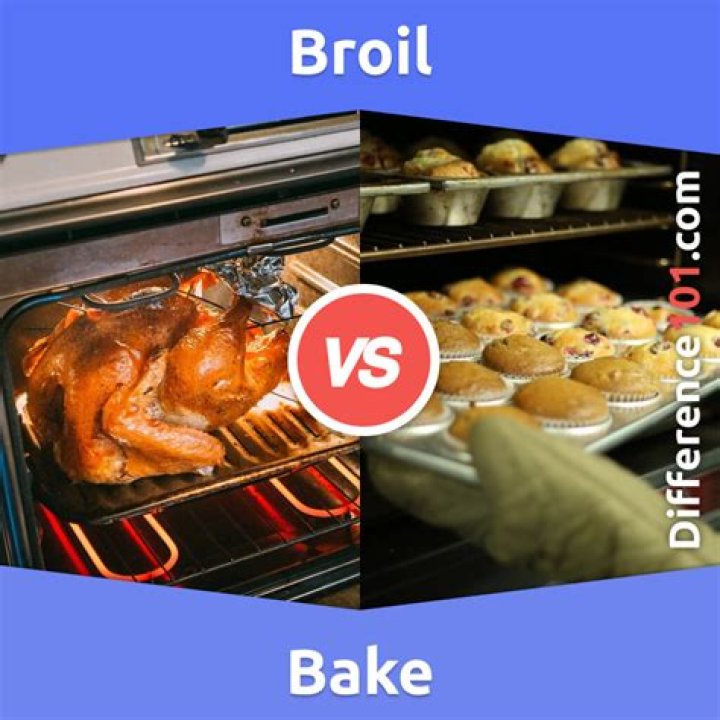
Understanding the difference between broil and bake is essential for anyone who wants to master their cooking skills in the kitchen. Both methods utilize the oven, but they function differently and yield distinct results. Knowing when to use each method can significantly enhance your culinary creations.
Many home cooks often confuse broiling with baking because both techniques involve using an oven. However, they are not interchangeable. The key lies in understanding how heat is distributed and applied during the cooking process. In this article, we will delve into the differences between these two cooking methods, helping you make informed decisions in your culinary journey.
Whether you're roasting a chicken, baking a cake, or searing a steak, understanding the nuances of broil and bake can elevate your cooking experience. Let’s explore the science behind these methods and learn how to use them effectively for delicious results.
Overview of Broil and Bake
Broiling and baking are two common oven cooking methods, but their applications and outcomes differ significantly. Both techniques rely on heat, but the way the heat is applied and distributed affects the final result of your dish. Let’s take a closer look at what sets them apart.
What is Broil?
Broiling is a cooking method that uses direct, intense heat from the top element of the oven. It is similar to grilling but is done indoors in an oven. The high heat sears the food quickly, making it ideal for cooking thin cuts of meat, vegetables, and other foods that benefit from a crispy exterior.
Cooking Tips for Broiling
- Position the food close to the heat source for optimal results.
- Preheat the broiler to ensure the food is exposed to maximum heat from the start.
- Use a broiler pan or a baking sheet lined with foil for easy cleanup.
What is Bake?
Baking, on the other hand, uses the oven's ambient heat to cook food evenly. The heat is distributed throughout the oven, ensuring that the food cooks uniformly. This method is ideal for baking bread, cakes, casseroles, and other dishes that require consistent heat distribution.
Recipe Examples for Bake
- Classic chocolate cake
- Homemade lasagna
- Roasted vegetables
Heat Distribution Differences
The primary difference between broiling and baking lies in how heat is applied. Broiling uses direct, intense heat from the top of the oven, while baking relies on the overall heat within the oven cavity. This difference affects the texture and appearance of the food.
Cooking Results Comparison
When you broil food, you achieve a crispy, caramelized exterior, which is perfect for steaks, fish, and vegetables. Baking, on the other hand, results in a tender, evenly cooked dish, making it ideal for cakes, bread, and casseroles.
Equipment Needed for Broil and Bake
- Oven with broil and bake settings
- Broiler pan or baking sheet
- Baking dish or casserole dish
Best Foods for Broiling
Broiling is best suited for foods that cook quickly and benefit from a seared exterior. Some examples include:
- Steak
- Chicken breasts
- Fish fillets
- Asparagus and other thin vegetables
Best Foods for Baking
Baking is ideal for foods that require even cooking and a tender texture. Examples include:
- Bread
- Pasta dishes
- Roasted potatoes
Temperature Settings and Timing
Temperature settings and timing are crucial when using either method. Broiling typically requires high heat (around 500°F or 260°C), while baking temperatures vary depending on the dish, often ranging from 300°F to 400°F (150°C to 200°C).
Advantages of Broiling
Broiling offers several advantages, including:
- Quick cooking times
- Ability to achieve a crispy, seared exterior
- Minimal added fats needed for cooking
Advantages of Baking
Baking provides benefits such as:
- Even cooking throughout the dish
- Ability to cook larger quantities at once
- Flexibility in temperature and timing adjustments
Conclusion
In summary, understanding the difference between broil and bake empowers you to make the most of your oven's capabilities. Broiling is perfect for quick, high-heat cooking that results in a crispy exterior, while baking ensures even, consistent cooking for a variety of dishes. Experiment with both methods to discover which works best for your favorite recipes.
Feel free to share your thoughts and experiences in the comments below. For more insightful articles on cooking techniques and tips, explore our website further. Happy cooking!




