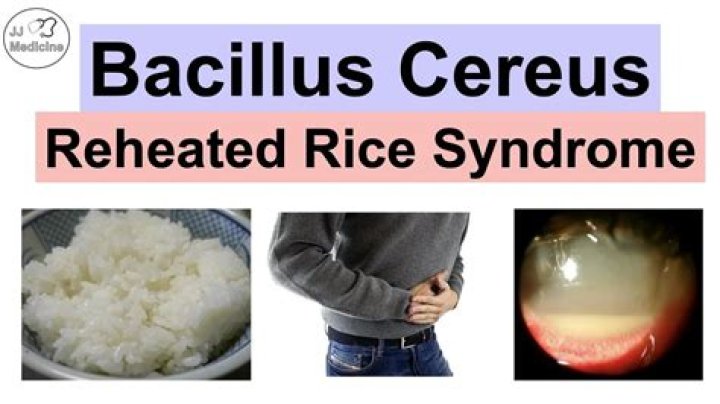
Reheated rice syndrome is a term that has gained attention in recent years due to its potential health implications. Many people enjoy leftovers, but improper handling of cooked rice can lead to foodborne illnesses. This syndrome refers to the risk of bacterial contamination when cooked rice is improperly stored or reheated.
The phenomenon occurs when Bacillus cereus, a bacterium commonly found in rice, produces toxins under certain conditions. These toxins can survive reheating and cause gastrointestinal discomfort, including nausea, vomiting, and diarrhea. Understanding this condition is crucial for maintaining food safety and preventing illness.
In this article, we will delve into the science behind reheated rice syndrome, explore its causes, symptoms, prevention methods, and provide practical tips to ensure your leftovers remain safe to eat. Whether you're a home cook or a professional chef, this information is essential for safeguarding your health.
What is Reheated Rice Syndrome?
Reheated rice syndrome is a condition caused by the consumption of improperly stored or reheated rice contaminated with Bacillus cereus. This bacterium thrives in environments where food is left at room temperature for extended periods. The toxins produced by Bacillus cereus can survive cooking and reheating, making them a significant health risk.
This syndrome is not limited to rice alone; it can affect other starchy foods as well. However, rice is particularly susceptible due to its high carbohydrate content and the way it is often prepared and stored. Understanding the science behind this condition is the first step in preventing it.
Research has shown that improper food handling practices contribute significantly to the incidence of reheated rice syndrome. By following proper food safety guidelines, you can minimize the risk of contamination and ensure your meals remain safe and delicious.
Causes of Reheated Rice Syndrome
Improper Storage Practices
One of the primary causes of reheated rice syndrome is improper storage. Leaving cooked rice at room temperature for more than two hours allows bacteria to multiply rapidly. Bacillus cereus spores can survive cooking and germinate when the rice cools down, producing toxins that are harmful to humans.
Contaminated Cooking Surfaces
Another common cause is contaminated cooking surfaces or utensils. If the rice comes into contact with surfaces that harbor bacteria, it increases the risk of contamination. Ensuring that all cooking equipment is clean and sanitized is crucial in preventing the spread of harmful pathogens.
According to the World Health Organization (WHO), proper hygiene practices are essential in reducing the incidence of foodborne illnesses. Regularly cleaning and disinfecting kitchen surfaces can significantly lower the risk of contamination.
Symptoms of Reheated Rice Syndrome
The symptoms of reheated rice syndrome typically appear within 1 to 5 hours after consuming contaminated rice. They include:
- Nausea
- Vomiting
- Diarrhea
- Abdominal cramps
While these symptoms are usually mild and resolve on their own within 24 hours, severe cases may require medical attention. Individuals with weakened immune systems, such as the elderly or young children, are at higher risk of developing complications.
Risks Associated with Reheated Rice Syndrome
Reheated rice syndrome poses several risks to human health. The toxins produced by Bacillus cereus can cause severe gastrointestinal distress, leading to dehydration and electrolyte imbalances. In extreme cases, this can result in hospitalization.
Additionally, improper food handling practices can lead to cross-contamination, increasing the risk of other foodborne illnesses. It is essential to prioritize food safety to protect yourself and your loved ones from potential health hazards.
Prevention Methods
Cooling Rice Quickly
To prevent reheated rice syndrome, it is crucial to cool cooked rice quickly. Place the rice in shallow containers and refrigerate it within two hours of cooking. This reduces the time the rice spends in the temperature danger zone (40°F to 140°F), where bacteria thrive.
Proper Refrigeration
Store cooked rice in the refrigerator at a temperature below 40°F. Use airtight containers to prevent moisture and odors from affecting the rice. Consuming the rice within 3 to 4 days is recommended to ensure its freshness and safety.
Storage Tips for Cooked Rice
Proper storage is key to preventing reheated rice syndrome. Here are some tips to keep your cooked rice safe:
- Refrigerate rice within two hours of cooking
- Use shallow containers for faster cooling
- Label containers with the date of cooking
- Avoid storing rice for more than 3 to 4 days
By following these simple guidelines, you can significantly reduce the risk of contamination and ensure your leftovers remain safe to eat.
Reheating Guidelines
When reheating rice, it is important to heat it thoroughly to a temperature of at least 165°F. This ensures that any surviving bacteria are killed. Use a food thermometer to check the internal temperature of the rice during reheating.
Consider using a microwave or stovetop for reheating. Adding a small amount of water or broth can help maintain moisture and prevent the rice from drying out. Stir the rice occasionally to ensure even heating.
Common Myths About Reheated Rice Syndrome
Myth: Rice Cannot Be Reheated Safely
One common misconception is that reheating rice is inherently unsafe. While improper handling can lead to contamination, reheating rice is safe as long as proper food safety practices are followed.
Myth: Refrigeration Prevents All Bacterial Growth
Another myth is that refrigeration completely stops bacterial growth. While refrigeration slows down bacterial activity, it does not eliminate all bacteria. Proper storage and reheating practices are still necessary to ensure food safety.
Expert Advice on Food Safety
Food safety experts recommend adhering to the following guidelines to prevent reheated rice syndrome:
- Cook rice thoroughly and avoid undercooking
- Cool rice quickly and refrigerate promptly
- Reheat rice to a safe temperature of 165°F
- Consume leftovers within 3 to 4 days
By following these expert recommendations, you can enjoy your leftovers without compromising your health.
Kesimpulan
Reheated rice syndrome is a preventable condition caused by improper handling and storage of cooked rice. Understanding the causes, symptoms, and prevention methods is essential for maintaining food safety. By cooling rice quickly, storing it properly, and reheating it to a safe temperature, you can significantly reduce the risk of contamination.
We encourage you to share this article with friends and family to raise awareness about food safety. If you have any questions or comments, feel free to leave them below. Stay safe and enjoy your meals!
References:
- World Health Organization (WHO) - Food Safety Guidelines
- U.S. Department of Agriculture (USDA) - Safe Food Handling Practices
- Centers for Disease Control and Prevention (CDC) - Foodborne Illness Prevention




