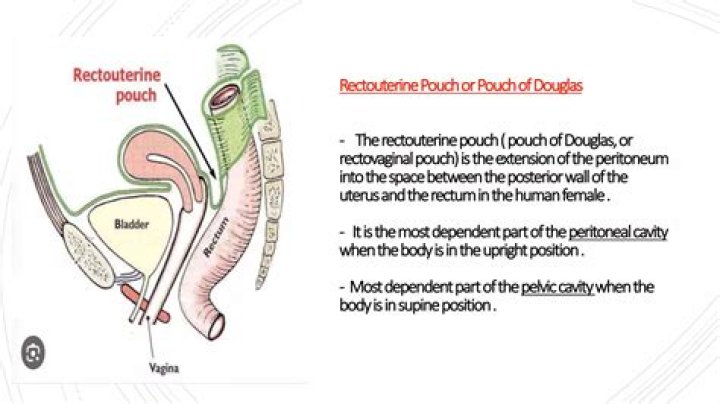
Understanding the Pouch of Douglas is essential for anyone interested in human anatomy or reproductive health. This anatomical structure, also known as the rectouterine pouch, plays a crucial role in the female reproductive system and can impact various health conditions. Whether you're a medical professional, student, or simply curious about the human body, this guide will provide detailed insights into the Pouch of Douglas and its significance.
The Pouch of Douglas is not just an anatomical term; it represents a critical part of the female pelvic cavity. Located between the rectum and the back wall of the uterus, this area is often implicated in conditions like endometriosis, pelvic inflammatory disease, and even cancer. Understanding its structure and function can help in diagnosing and treating these conditions effectively.
This article aims to provide a comprehensive overview of the Pouch of Douglas, covering its anatomy, clinical significance, and related health issues. By the end of this guide, you'll have a clear understanding of why this structure is vital for reproductive health and how it can influence various medical conditions.
Anatomy of the Pouch of Douglas
The Pouch of Douglas, or rectouterine pouch, is a peritoneal space located in the female pelvis. It lies between the rectum and the posterior wall of the uterus, forming the deepest part of the peritoneal cavity in women. This anatomical structure is named after James Douglas, a Scottish anatomist who first described it in the early 18th century.
Key Features of the Pouch of Douglas
Several key features define the Pouch of Douglas:
- It is the lowest point of the peritoneal cavity in the upright position.
- Its boundaries include the rectum posteriorly, the uterosacral ligaments laterally, and the posterior wall of the uterus anteriorly.
- It communicates with the rest of the peritoneal cavity through the cul-de-sac.
Understanding the anatomy of this pouch is crucial for diagnosing conditions such as endometriosis, pelvic abscesses, and tumors that may affect this area.
Function and Importance
The Pouch of Douglas serves several important functions in the female body:
Physiological Role
One of its primary roles is to act as a reservoir for fluids that may accumulate in the peritoneal cavity. These fluids can include menstrual blood, pus from infections, or ascites in certain pathological conditions. The pouch's location makes it a common site for the accumulation of these fluids, which can aid in diagnosing underlying conditions.
Biological Significance in Reproduction
In the context of reproduction, the Pouch of Douglas plays a significant role:
Impact on Fertility
Conditions affecting the Pouch of Douglas, such as endometriosis or adhesions, can impact fertility. For instance, endometrial tissue growing in this area can cause inflammation and scarring, leading to difficulties in conception.
Diagnosis and Examination Techniques
Diagnosing conditions related to the Pouch of Douglas involves various techniques:
Imaging Techniques
Ultrasound and MRI are commonly used to visualize the Pouch of Douglas and detect abnormalities. These imaging methods can help identify fluid accumulation, masses, or other structural changes in the area.
Common Diseases and Disorders
Several diseases and disorders are associated with the Pouch of Douglas:
Endometriosis
Endometriosis is a condition where endometrial tissue grows outside the uterus, often affecting the Pouch of Douglas. Symptoms may include pelvic pain, painful menstruation, and infertility.
Pelvic Inflammatory Disease (PID)
PID is an infection of the female reproductive organs that can lead to abscess formation in the Pouch of Douglas. Early diagnosis and treatment are crucial to prevent complications.
Treatment Options for Related Conditions
Treatment for conditions affecting the Pouch of Douglas depends on the specific disorder:
Surgical Interventions
Surgical procedures such as laparoscopy may be necessary to remove endometrial tissue or treat abscesses in the Pouch of Douglas. These interventions aim to alleviate symptoms and restore normal function.
Prevention and Management Strategies
Preventing and managing conditions related to the Pouch of Douglas involves lifestyle changes and medical interventions:
Lifestyle Modifications
Adopting a healthy lifestyle, including regular exercise and a balanced diet, can help reduce the risk of developing conditions like endometriosis. Additionally, practicing safe sex can lower the chances of contracting infections that may affect this area.
Recent Research and Developments
Research into the Pouch of Douglas continues to evolve, with new studies exploring its role in reproductive health:
Innovative Treatments
Recent advancements in medical technology have led to the development of innovative treatments for conditions affecting the Pouch of Douglas. These include minimally invasive surgical techniques and targeted drug therapies.
Statistics and Epidemiology
Data from various studies highlight the prevalence of conditions related to the Pouch of Douglas:
Prevalence of Endometriosis
Endometriosis affects approximately 10% of women of reproductive age globally. Early detection and treatment are essential to manage symptoms and improve quality of life.
Conclusion and Final Thoughts
In conclusion, the Pouch of Douglas is a vital anatomical structure with significant implications for reproductive health. Understanding its anatomy, function, and associated conditions can help in diagnosing and treating various medical issues effectively.
We encourage readers to share their thoughts and experiences in the comments section below. Additionally, feel free to explore other articles on our site for more information on related topics. Together, let's promote awareness and improve health outcomes for all individuals.