Pirated content has become a significant issue in the digital age, affecting creators, businesses, and consumers alike. The widespread availability of illegal content on the internet poses serious legal and ethical concerns. By understanding what constitutes pirated content, individuals can make informed decisions to protect themselves and support legitimate creators.
The concept of pirated content encompasses unauthorized distribution, reproduction, or use of copyrighted material. This includes movies, music, software, books, and other forms of intellectual property. As technology advances, the methods for distributing pirated content have evolved, making it easier for people to access such material without realizing the consequences.
This article will explore the definition of pirated content, its implications, and ways to combat it. By delving into the legal, ethical, and technical aspects of piracy, we aim to provide a comprehensive guide for readers to better understand this critical issue.
What is Pirated Content?
Pirated content refers to any form of intellectual property that is distributed, reproduced, or used without the permission of the rightful owner. This can include movies, TV shows, music, software, video games, e-books, and other digital media. The unauthorized sharing of copyrighted material is a violation of intellectual property laws and can result in severe legal consequences.
Understanding the nature of pirated content is essential for both creators and consumers. By recognizing the difference between legitimate and illegal content, individuals can make informed decisions that support the creative industries.
How Pirated Content is Distributed
Pirated content is often distributed through various online platforms, including torrent sites, streaming websites, and peer-to-peer networks. These platforms enable users to download or stream copyrighted material without paying for it. The ease of access to pirated content has contributed to its widespread use, despite the legal and ethical implications.
Types of Pirated Content
Pirated content comes in many forms, each posing unique challenges for creators and copyright holders. Below are some of the most common types of pirated content:
- Music: Unauthorized sharing of songs and albums.
- Movies and TV Shows: Illegal distribution of films and television series.
- Software: Pirated versions of applications and programs.
- E-books: Unlawful sharing of digital books.
- Video Games: Distribution of cracked or modified games.
Each type of pirated content has its own set of consequences and challenges, making it crucial for individuals to understand the implications of consuming such material.
Legal Implications of Pirated Content
The distribution and consumption of pirated content are illegal under copyright laws in most countries. Individuals who engage in piracy can face legal consequences, including fines, lawsuits, and even imprisonment in severe cases. Copyright holders have the right to pursue legal action against those who violate their intellectual property rights.
Additionally, governments and organizations are increasingly cracking down on piracy by shutting down illegal websites and prosecuting offenders. Understanding the legal ramifications of piracy is essential for avoiding potential legal issues.
International Copyright Laws
Copyright laws vary by country, but most nations have signed international agreements to protect intellectual property rights. These agreements, such as the Berne Convention and the World Intellectual Property Organization (WIPO) Copyright Treaty, ensure that creators' rights are respected globally.
Ethical Concerns Surrounding Piracy
Beyond the legal implications, piracy raises significant ethical concerns. Consuming pirated content undermines the efforts of creators who invest time, resources, and talent into producing high-quality material. By supporting piracy, individuals contribute to the devaluation of creative work and the loss of income for artists, writers, and developers.
Moreover, piracy fosters a culture of entitlement, where people expect to access content for free without considering the impact on those who create it. Encouraging ethical behavior and respecting intellectual property rights is crucial for maintaining a fair and just society.
Risks of Consuming Pirated Content
Consuming pirated content is not only illegal but also poses several risks to users. Below are some of the dangers associated with accessing pirated material:
- Malware and Viruses: Many pirated files contain malicious software that can harm devices and compromise personal data.
- Data Breaches: Illegal websites often collect user information, increasing the risk of identity theft and fraud.
- Quality Issues: Pirated content is often of poor quality, with distorted audio, video, or incomplete files.
- Legal Consequences: Users can face legal action if caught downloading or distributing pirated material.
Awareness of these risks is vital for individuals to make safer choices when accessing digital content.
How to Protect Yourself from Piracy Risks
To minimize the risks associated with pirated content, users should:
- Install reliable antivirus software and keep it updated.
- Avoid downloading content from untrusted sources.
- Use legal streaming platforms and services.
- Stay informed about the latest trends in piracy and cybersecurity.
Piracy Statistics and Trends
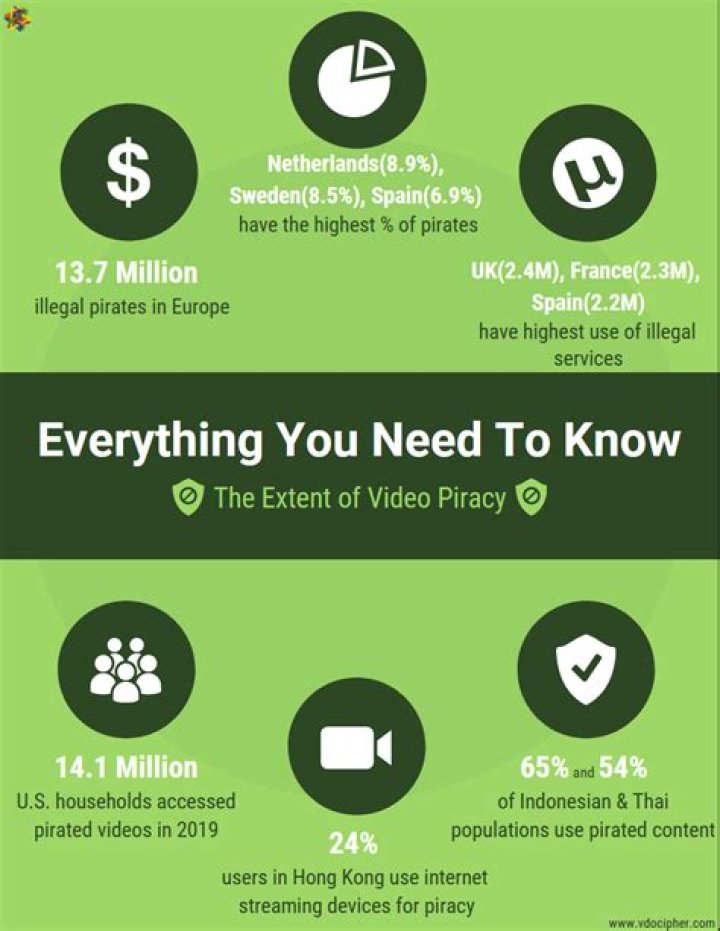
Piracy remains a significant problem worldwide, with billions of dollars lost annually due to illegal content distribution. According to a report by the International Chamber of Commerce (ICC), the global value of counterfeit and pirated goods reached $1.77 trillion in 2020. This figure highlights the scale of the issue and the need for effective solutions.
Furthermore, streaming piracy has seen a sharp increase in recent years, driven by the popularity of illegal streaming websites and apps. These platforms often offer users access to premium content without paying for subscriptions, making them attractive to budget-conscious consumers.
Impact of Piracy on the Entertainment Industry
The entertainment industry is one of the hardest-hit sectors by piracy. Movie studios, music labels, and game developers lose billions in revenue each year due to unauthorized distribution of their products. This loss of income affects not only the companies but also the employees and contractors who rely on these industries for their livelihood.
How to Prevent Pirated Content
Preventing piracy requires a multi-faceted approach involving education, technology, and enforcement. Below are some strategies for combating pirated content:
- Encourage awareness campaigns to educate the public about the dangers and consequences of piracy.
- Develop and implement advanced anti-piracy technologies, such as digital rights management (DRM) and watermarking.
- Collaborate with law enforcement agencies to shut down illegal websites and prosecute offenders.
- Provide affordable and accessible legal alternatives to pirated content.
By addressing the root causes of piracy and offering viable alternatives, stakeholders can reduce the prevalence of illegal content distribution.
The Role of Technology in Fighting Piracy
Technology plays a critical role in preventing piracy. Innovations such as blockchain, artificial intelligence, and machine learning can help detect and block illegal content distribution. These tools enable copyright holders to monitor their intellectual property more effectively and take swift action against infringers.
Legal Alternatives to Pirated Content
Fortunately, there are numerous legal alternatives to pirated content that offer users access to high-quality material at reasonable prices. Below are some popular options:
- Streaming services like Netflix, Amazon Prime Video, and Spotify provide access to movies, TV shows, and music for a monthly subscription fee.
- E-book platforms like Kindle and Google Play Books offer a vast selection of digital books for purchase or rental.
- Software companies often provide free or discounted versions of their products for students and educators.
By supporting legitimate platforms, users can enjoy safe, high-quality content while contributing to the success of creators and businesses.
Impact of Piracy on the Economy
Piracy has far-reaching economic consequences, affecting not only the entertainment industry but also related sectors such as manufacturing, retail, and technology. The loss of revenue due to piracy leads to job losses, reduced investment in new projects, and decreased innovation. Additionally, governments lose tax revenue from unreported sales of pirated goods.
To mitigate these effects, it is essential for all stakeholders to work together to combat piracy and promote legal content consumption.
Long-term Effects of Piracy
The long-term effects of piracy can be devastating, leading to a decline in the quality and quantity of creative output. Without adequate compensation for their work, creators may be forced to abandon their careers or limit their output, resulting in fewer opportunities for consumers to enjoy new and innovative content.
Conclusion and Call to Action
In conclusion, pirated content poses significant legal, ethical, and economic challenges that affect creators, consumers, and society as a whole. By understanding the nature of piracy and its consequences, individuals can make informed decisions to support legitimate content and protect themselves from potential risks.
We urge readers to take action by:
- Supporting legal platforms and services for accessing digital content.
- Raising awareness about the dangers and implications of piracy.
- Encouraging friends and family to make ethical choices when consuming media.
Together, we can create a culture that values and respects intellectual property rights, ensuring a brighter future for creators and consumers alike. Share this article with others and explore more resources on our website to stay informed about the latest trends in piracy and content protection.




