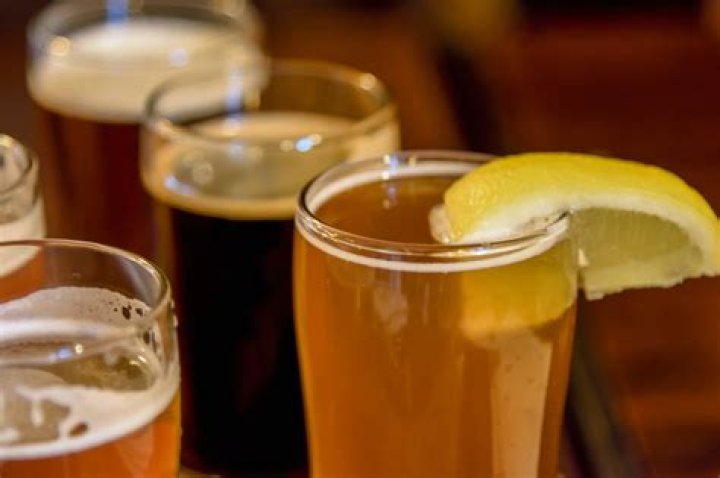
IPA beer, or India Pale Ale, is a popular style of beer known for its bold flavors, strong hop character, and unique brewing history. It has captured the hearts of beer enthusiasts worldwide with its complex taste profile. Whether you're a craft beer lover or just starting to explore the world of ales, understanding what makes IPA beer special is essential. This article will take you on a deep dive into the fascinating world of IPAs, covering everything from its origins to modern-day varieties.
From its humble beginnings in 18th-century England to its current status as a staple in craft breweries globally, IPA beer has evolved significantly. Its rich history and innovative brewing techniques have made it a favorite among both casual drinkers and seasoned connoisseurs alike. This article will explore the essence of IPA beer and why it continues to captivate beer lovers.
Join us as we uncover the secrets behind this iconic beer style, including its flavor profiles, brewing methods, and cultural significance. By the end of this guide, you'll have a thorough understanding of what makes IPA beer stand out in the crowded world of alcoholic beverages.
Table of Contents
- The History of IPA Beer
- Types of IPA Beer
- Understanding the Flavor Profile of IPA
- The Brewing Process for IPA
- Popular Hop Varieties Used in IPAs
- Health Implications of Drinking IPA Beer
- IPA Beer Pairing Suggestions
- IPA Beer Market Trends and Statistics
- Famous IPA Brands Around the World
- The Future of IPA Beer
The History of IPA Beer
The origins of IPA beer date back to the late 1700s, when British brewers sought to create a beer that could survive the long journey to India. During the British colonial era, soldiers and settlers in India craved familiar beverages from home, but the warm climate and long sea voyages posed challenges for transporting beer. To address this, brewers increased the alcohol content and added extra hops, which acted as a natural preservative.
This innovative approach resulted in a beer that not only survived the journey but also developed a distinct flavor profile. The extra hops gave the beer a stronger, more bitter taste, which became a defining characteristic of IPA beer. Over time, the style gained popularity both in India and back in Britain, eventually spreading worldwide.
Key Milestones in IPA History
- 1700s: Initial development of hoppy ales for export.
- 1820s: The term "India Pale Ale" first appears in advertisements.
- 1970s: Craft beer movement revives interest in traditional IPA styles.
Today, IPA beer remains one of the most popular beer styles globally, with countless variations crafted by brewers who continue to innovate and push boundaries.
Types of IPA Beer
IPA beer has diversified significantly over the years, leading to the creation of various subcategories. Each type offers unique characteristics, catering to different tastes and preferences. Below are some of the most common types of IPA beer:
1. English IPA
Also known as traditional or classic IPA, this style originates from the UK. It features a more balanced flavor profile with moderate bitterness and earthy, floral hop notes.
2. American IPA
American IPAs are known for their bold, citrusy, and piney flavors. They typically use American hop varieties like Cascade, Centennial, and Citra, which contribute to their vibrant aroma.
3. Double IPA (DIPA)
Also called Imperial IPA, this style boasts higher alcohol content and intensified hop flavors. It's perfect for those who enjoy strong, robust beers.
Other notable types include Session IPA, Hazy IPA, and Sour IPA, each bringing its own twist to the classic IPA formula.
Understanding the Flavor Profile of IPA
The flavor profile of IPA beer is as diverse as its many types. Generally, IPAs are characterized by their pronounced hop flavors, which can range from floral and fruity to citrusy and piney. The balance between bitterness and malt sweetness varies depending on the style and brewing techniques used.
Brewers often experiment with different hop varieties and fermentation methods to create unique flavor experiences. For example, New England-style IPAs are known for their hazy appearance and juicy, tropical fruit flavors, while West Coast IPAs emphasize intense bitterness and citrus notes.
Factors Influencing IPA Flavor
- Hop variety and quantity
- Yeast strain and fermentation temperature
- Malt selection and roasting process
Understanding these factors can help beer enthusiasts appreciate the complexity and artistry involved in crafting the perfect IPA.
The Brewing Process for IPA
Brewing IPA beer involves several key steps, each contributing to the final product's unique characteristics. The process begins with selecting high-quality ingredients, including malted barley, hops, yeast, and water. Brewers carefully control variables such as temperature, time, and hop addition to achieve the desired flavor profile.
Steps in the Brewing Process
- Mashing: Converting starches in malted barley into fermentable sugars.
- Boiling: Adding hops at various stages to extract bitterness, flavor, and aroma.
- Fermentation: Allowing yeast to convert sugars into alcohol and carbon dioxide.
- Maturing the beer to develop its full flavor and aroma.
Modern brewing techniques, such as dry hopping and whirlpool hopping, have further enhanced the complexity and intensity of IPA flavors.
Popular Hop Varieties Used in IPAs
Hops are a crucial component of IPA beer, providing bitterness, flavor, and aroma. Different hop varieties contribute unique characteristics to the final product. Below are some of the most popular hop varieties used in IPAs:
1. Cascade
Known for its floral and citrusy notes, Cascade is one of the most widely used hops in American IPAs.
2. Citra
This hop variety offers tropical fruit and citrus flavors, making it ideal for hazy and juicy IPAs.
3. Simcoe
Simcoe hops bring piney and earthy notes, often combined with other varieties to create complex flavor profiles.
Experimenting with different hop combinations allows brewers to create IPAs with distinct and exciting flavor profiles.
Health Implications of Drinking IPA Beer
While IPA beer is enjoyed by millions worldwide, it's essential to consider its potential health implications. Like all alcoholic beverages, moderate consumption is key to avoiding negative effects. IPAs, particularly those with high alcohol content, can contribute to dehydration and calorie intake if consumed excessively.
On the positive side, hops used in IPAs contain antioxidants and anti-inflammatory compounds that may offer health benefits when consumed in moderation. However, it's crucial to balance beer consumption with a healthy lifestyle and dietary choices.
Tips for Responsible IPA Consumption
- Drink water between servings to stay hydrated.
- Choose lower-alcohol IPAs for lighter options.
- Pair IPAs with nutritious foods to enhance the dining experience.
IPA Beer Pairing Suggestions
IPA beer pairs exceptionally well with a variety of foods, thanks to its bold flavors and diverse profiles. The key to successful pairing lies in complementing or contrasting the beer's characteristics with the dish's flavors. Below are some pairing suggestions for different types of IPAs:
1. American IPA
Pair with spicy dishes like buffalo wings or curries to balance the heat with the beer's bitterness.
2. Hazy IPA
Complement its juicy flavors with grilled seafood or citrusy salads.
3. Double IPA
Match its intensity with rich, flavorful dishes like roasted meats or aged cheeses.
Experimenting with pairings can enhance your appreciation of IPA beer and the culinary arts.
IPA Beer Market Trends and Statistics
The global IPA beer market has experienced significant growth in recent years, driven by the popularity of craft beer and increasing consumer interest in premium beverages. According to a report by Grand View Research, the global craft beer market size was valued at USD 65.5 billion in 2022, with IPAs being a major contributor to this growth.
Consumer preferences are shifting towards innovative and experimental IPA styles, with hazy and sour IPAs gaining traction. Brewers are responding by expanding their product offerings and investing in sustainable brewing practices.
Key Market Statistics
- IPA beer accounts for approximately 40% of craft beer sales in the United States.
- Global demand for IPAs is projected to grow at a CAGR of 8.5% from 2023 to 2030.
- Younger consumers are driving demand for low-alcohol and session IPAs.
These trends highlight the enduring popularity and evolving nature of IPA beer in the global market.
Famous IPA Brands Around the World
Several IPA brands have gained international recognition for their quality and innovation. Below are some of the most famous IPA brands, known for their commitment to excellence and unique brewing techniques:
1. Sierra Nevada
This American brewery is renowned for its Pale Ale and Torpedo Extra IPA, both of which showcase the classic American IPA style.
2. BrewDog
Based in Scotland, BrewDog is famous for its Punk IPA and other experimental offerings, pushing the boundaries of IPA brewing.
3. Stone Brewing
Stone Brewing's IPA and Enjoy By series have become staples in the craft beer scene, celebrated for their bold flavors and limited availability.
These brands, among others, continue to shape the IPA landscape and inspire new generations of brewers.
The Future of IPA Beer
The future of IPA beer looks bright, with ongoing innovations and expanding consumer interest. Brewers are exploring new hop varieties, fermentation techniques, and packaging solutions to enhance the drinking experience. Sustainability and environmental responsibility are also becoming increasingly important, with many breweries adopting eco-friendly practices.
As consumer preferences evolve, the IPA market is likely to see further diversification, with new styles and flavors emerging to meet demand. Whether you're a long-time IPA enthusiast or a newcomer to the world of craft beer, there's never been a better time to explore the rich and exciting world of India Pale Ale.
Kesimpulan
In conclusion, IPA beer is much more than just a beverage; it's a cultural phenomenon with a rich history and diverse range of styles. From its origins as a solution to transportation challenges to its current status as a craft beer icon, IPA continues to captivate beer lovers worldwide. Understanding its flavor profiles, brewing processes, and market trends can deepen your appreciation for this remarkable beer style.
We invite you to share your thoughts and experiences with IPA beer in the comments below. Have you tried any unique IPA varieties recently? What pairing suggestions would you recommend? Don't forget to explore our other articles on beer and beverages for more insightful content.




