Have you ever wondered what 1080p means when shopping for a TV or streaming videos online? The term "1080p" has become a standard in the world of digital displays, but many people still don't fully understand its meaning. This guide will break down everything you need to know about 1080p, from its technical specifications to its applications in modern technology.
In today's digital age, understanding screen resolutions is essential for making informed decisions about your entertainment and display devices. Whether you're buying a new television, choosing a monitor for gaming, or simply streaming content online, knowing what 1080p means can help you get the best experience possible.
By the end of this article, you'll have a clear understanding of what 1080p is, how it compares to other resolutions, and why it matters in the world of technology. Let's dive in!
What is 1080p?
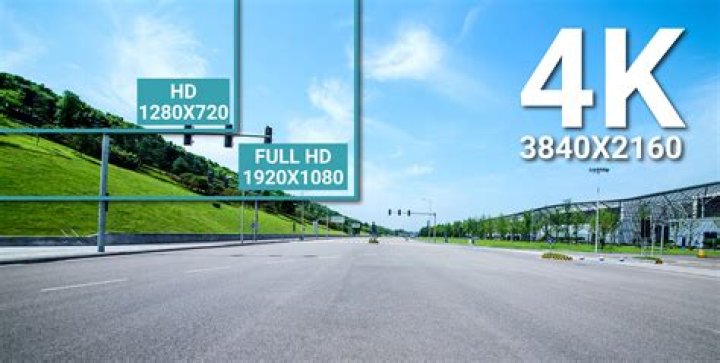
1080p refers to a display resolution of 1920x1080 pixels, where "p" stands for progressive scanning. Progressive scanning means that the image is drawn line by line on the screen in sequence, resulting in a smoother and more detailed picture compared to interlaced scanning (denoted by "i").
This resolution has become synonymous with Full HD, making it a popular choice for televisions, computer monitors, and video content. It offers a balance between image quality and performance, making it suitable for a wide range of applications.
Why is 1080p Important?
1080p plays a crucial role in modern display technology because it provides a high level of detail without requiring excessive processing power. This makes it ideal for devices that need to deliver sharp visuals without compromising performance, such as gaming consoles and streaming platforms.
Understanding Resolution Basics
Before diving deeper into 1080p, it's important to understand the basics of screen resolution. Resolution refers to the number of pixels displayed on a screen, measured in width and height. For example, a resolution of 1920x1080 means there are 1,920 pixels horizontally and 1,080 pixels vertically.
- Higher resolutions result in sharper and more detailed images.
- The total number of pixels is calculated by multiplying the width by the height.
- Resolution affects how clear text and graphics appear on the screen.
Understanding resolution basics is key to appreciating the significance of 1080p in today's digital landscape.
The Concept of Full HD
Full HD, or Full High Definition, is another term for 1080p resolution. It represents the standard for high-quality video content and display devices. Full HD became widely adopted due to its ability to deliver crisp visuals without overwhelming hardware capabilities.
Here are some key points about Full HD:
- It offers a 16:9 aspect ratio, which is the standard for modern televisions and monitors.
- Full HD content is widely available across various platforms, including streaming services and Blu-ray discs.
- It strikes a balance between image quality and affordability, making it accessible to a broad audience.
Key Features of 1080p
1080p boasts several features that make it a popular choice for both consumers and content creators:
High Pixel Density
With 2,073,600 pixels (1920x1080), 1080p provides a high level of detail, ensuring that images and videos appear sharp and clear.
Progressive Scanning
Unlike interlaced scanning, progressive scanning draws each frame in full, resulting in smoother motion and reduced flickering. This is particularly beneficial for fast-paced content like sports and action movies.
Wide Compatibility
1080p is supported by a wide range of devices, from budget-friendly televisions to high-end gaming monitors. Its versatility makes it a go-to option for many users.
How Does 1080p Compare to Other Resolutions?
While 1080p remains a popular choice, advancements in technology have introduced higher resolutions such as 4K and 8K. Here's how 1080p stacks up against these alternatives:
1080p vs 720p
720p, also known as HD, has a resolution of 1280x720. While it offers decent quality, 1080p provides significantly more detail and clarity, making it the better choice for most applications.
1080p vs 4K
4K resolution (3840x2160) offers four times the pixel count of 1080p, resulting in much sharper images. However, 4K requires more powerful hardware and can be overkill for smaller screens or devices with limited processing capabilities.
1080p vs 8K
8K resolution (7680x4320) represents the pinnacle of current display technology, offering sixteen times the pixel count of 1080p. While it delivers stunning visuals, its high cost and limited content availability make it less practical for most users.
Applications of 1080p
1080p finds applications in various fields, including:
Entertainment
Televisions and streaming platforms widely support 1080p, ensuring that viewers can enjoy high-quality content without breaking the bank.
Gaming
Gaming enthusiasts often prefer 1080p for its balance of performance and visual fidelity. Many modern games are optimized to run smoothly at this resolution, providing an immersive experience.
Professional Use
Designers, video editors, and other professionals rely on 1080p monitors for their work, as it offers sufficient detail for most tasks without requiring expensive hardware upgrades.
Benefits of Using 1080p
There are several advantages to using 1080p:
- Affordable: Devices supporting 1080p are generally more affordable than those with higher resolutions.
- Wide Availability: A vast amount of content is available in 1080p, ensuring compatibility with most platforms.
- Energy Efficient: 1080p devices typically consume less power than their 4K or 8K counterparts, making them more environmentally friendly.
Limitations of 1080p
Despite its many benefits, 1080p has some limitations:
Lower Pixel Density on Larger Screens
On very large screens, the pixel density of 1080p may not be sufficient to deliver the same level of detail as higher resolutions.
Outdated Technology
As technology advances, 1080p may eventually become outdated, especially in industries where ultra-high resolutions are becoming the norm.
Future Trends in Display Technology
The future of display technology looks promising, with advancements in 4K, 8K, and beyond. However, 1080p will likely remain relevant for years to come, particularly for budget-conscious consumers and applications where higher resolutions are unnecessary.
Emerging technologies such as OLED and MicroLED are also set to revolutionize the industry, offering improved contrast ratios and energy efficiency. As these innovations become more accessible, the gap between different resolutions may narrow, making it easier for users to choose the best option for their needs.
Conclusion
In conclusion, understanding what 1080p means is essential for anyone looking to make informed decisions about their display devices and content consumption. With its balance of image quality and affordability, 1080p continues to be a popular choice in the world of digital displays.
We encourage you to share your thoughts on 1080p in the comments below. Do you prefer 1080p over other resolutions, or are you excited about the possibilities of 4K and 8K? Let us know, and don't forget to explore our other articles for more insights into the world of technology.
References:
- Display Resolution Guide - Wikipedia
- Understanding Screen Resolution - Techopedia
- Full HD vs 4K: Which is Better? - CNET




