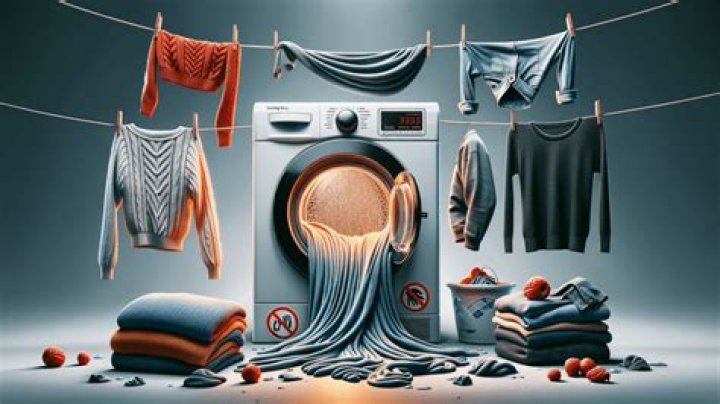
When you see the label "Do Not Tumble Dry" on your clothes, it's important to understand its significance to preserve the quality of your garments. Many people overlook this care instruction, but doing so can lead to irreversible damage to your favorite clothing items. By understanding what this label means and how to follow it, you can extend the lifespan of your clothes while maintaining their appearance and texture.
Proper fabric care is crucial for ensuring that your clothes last longer and maintain their quality. One of the most common instructions found on garment care labels is "Do Not Tumble Dry." This seemingly simple directive carries significant weight in terms of preserving the integrity of your fabrics. Whether you're dealing with delicate materials or everyday wear, understanding this label is essential for anyone who wants to take better care of their wardrobe.
In this article, we'll explore the meaning behind "Do Not Tumble Dry," the reasons why some fabrics require special care, and how you can dry your clothes safely without using a tumble dryer. By the end of this guide, you'll have a clear understanding of how to care for your garments properly and avoid potential damage caused by improper drying methods.
Understanding the "Do Not Tumble Dry" Label
The "Do Not Tumble Dry" label is more than just a suggestion—it's an important guideline for maintaining the quality of your clothes. This instruction typically appears on garments made from delicate fabrics or those that are prone to shrinkage, distortion, or damage when exposed to high heat or mechanical agitation. Understanding the reasons behind this label helps you make informed decisions about how to care for your clothes.
Why Do Some Fabrics Require Special Care?
Not all fabrics are created equal. Some materials, such as silk, wool, and certain synthetic blends, are more sensitive to heat and friction. When these fabrics are subjected to the high temperatures and tumbling action of a dryer, they can become misshapen, shrink, or lose their texture. Here are some common reasons why certain fabrics require special care:
- Shrinkage: Natural fibers like cotton and wool are prone to shrinking when exposed to high heat.
- Damage to Texture: Delicate fabrics like silk and lace can lose their sheen or develop pilling if tumbled in a dryer.
- Color Fading: Brightly colored garments may fade faster when dried in a machine.
- Structural Distortion: Some garments, such as knitted sweaters, can lose their shape if they're dried using a tumble dryer.
What Happens When You Ignore the "Do Not Tumble Dry" Instruction?
Ignoring the "Do Not Tumble Dry" label can have serious consequences for your clothes. The high heat and mechanical force of a tumble dryer can cause irreversible damage, including shrinkage, fading, and distortion. In some cases, the fabric may even develop holes or tears due to excessive friction. To avoid these issues, it's important to follow the care instructions provided by the manufacturer.
Common Problems Caused by Tumble Drying
Here are some of the most common issues that can arise when you tumble dry clothes that shouldn't be:
- Shrinkage: Natural fibers like wool and cotton can shrink significantly when exposed to high heat.
- Fading: Bright colors may fade faster in a tumble dryer, especially if the garment is not colorfast.
- Pilling: Synthetic fabrics like polyester and nylon can develop unsightly pills when tumbled in a dryer.
- Distortion: Knitted garments, such as sweaters, can lose their shape and become misshapen in a tumble dryer.
How to Dry Clothes Without a Tumble Dryer
If your clothes have a "Do Not Tumble Dry" label, there are several alternative drying methods you can use to preserve their quality. These methods are gentle on fabrics and help maintain the integrity of your garments. Here are some of the most effective ways to dry clothes without a tumble dryer:
1. Air Drying
Air drying is one of the simplest and most effective ways to dry clothes without using a tumble dryer. This method involves hanging your clothes on a drying rack or clothesline and letting them dry naturally in the air. Air drying is gentle on fabrics and helps prevent shrinkage, fading, and distortion.
2. Flat Drying
Flat drying is ideal for delicate garments like sweaters and silk blouses. This method involves laying your clothes flat on a clean towel or drying rack to dry. Flat drying helps prevent stretching and distortion, making it a great option for knitted fabrics and other delicate materials.
3. Drying in the Shade
Exposing your clothes to direct sunlight can cause fading and damage to certain fabrics. To avoid this, try drying your clothes in the shade. This method is particularly useful for brightly colored garments that are prone to fading.
Understanding Fabric Care Symbols
Fabric care symbols are an essential part of garment care instructions. These symbols provide valuable information about how to wash, dry, and iron your clothes. By learning how to interpret these symbols, you can ensure that your clothes are cared for properly and avoid potential damage.
Common Fabric Care Symbols
Here are some of the most common fabric care symbols you might encounter:
- Washing Symbol: Indicates the recommended washing temperature and method.
- Drying Symbol: Specifies whether the garment can be tumble dried or requires special drying methods.
- Ironing Symbol: Provides guidance on the appropriate ironing temperature.
- Professional Cleaning Symbol: Indicates whether the garment requires professional dry cleaning.
Choosing the Right Drying Method for Your Clothes
Selecting the right drying method for your clothes depends on several factors, including the type of fabric, the garment's construction, and the care instructions provided by the manufacturer. By understanding these factors, you can make informed decisions about how to dry your clothes safely and effectively.
Factors to Consider When Choosing a Drying Method
Here are some key factors to consider when selecting a drying method for your clothes:
- Fabric Type: Different fabrics require different drying methods. Delicate fabrics like silk and wool should be dried using gentle methods, while more durable fabrics like cotton can often be tumble dried.
- Garment Construction: Some garments, such as knitted sweaters, are more prone to distortion and should be dried flat to maintain their shape.
- Care Instructions: Always follow the care instructions provided by the manufacturer to ensure that your clothes are dried safely and effectively.
Tips for Extending the Lifespan of Your Clothes
Proper fabric care is essential for extending the lifespan of your clothes. By following a few simple tips, you can ensure that your garments remain in good condition for longer. Here are some strategies for preserving the quality of your clothes:
1. Follow Care Instructions
Always follow the care instructions provided by the manufacturer. These guidelines are designed to help you maintain the quality of your clothes and avoid potential damage.
2. Use Gentle Detergents
Choose a gentle detergent that is safe for delicate fabrics. Harsh detergents can damage fabrics and cause fading or discoloration.
3. Avoid Overloading the Washing Machine
Overloading your washing machine can cause excessive friction and damage to your clothes. To avoid this, wash your clothes in smaller loads and use the appropriate settings for each fabric type.
Common Misconceptions About Fabric Care
There are several common misconceptions about fabric care that can lead to improper care practices and potential damage to your clothes. By dispelling these myths, you can ensure that your garments are cared for properly and remain in good condition for longer.
1. Myth: Tumble Drying is Always Safe
While tumble drying is convenient, it's not always safe for all fabrics. Some materials, such as silk and wool, can be damaged by the high heat and mechanical force of a tumble dryer. Always check the care label before using a tumble dryer.
2. Myth: Sunlight is the Best Way to Dry Clothes
While sunlight can help dry clothes quickly, it can also cause fading and damage to certain fabrics. To avoid this, try drying your clothes in the shade or using alternative drying methods like air drying or flat drying.
Conclusion
In conclusion, understanding the "Do Not Tumble Dry" label is essential for maintaining the quality of your clothes. By following the care instructions provided by the manufacturer and using alternative drying methods like air drying or flat drying, you can extend the lifespan of your garments and avoid potential damage. Remember to always check the care label before using a tumble dryer and choose a drying method that is appropriate for the fabric type and garment construction.
We encourage you to share this article with your friends and family to help them understand the importance of proper fabric care. If you have any questions or comments, feel free to leave them below. Don't forget to explore our other articles on fashion and lifestyle tips to learn more about how to care for your clothes and stay stylish!



