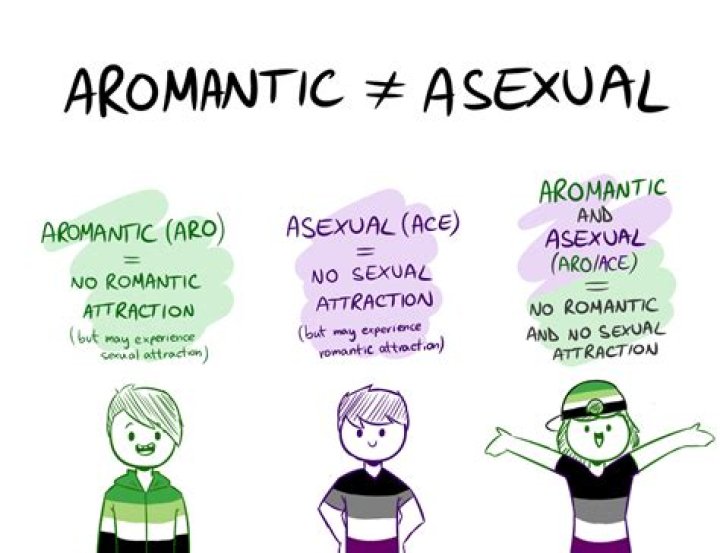
Being aroace is a term that has gained increasing recognition in recent years, referring to individuals who identify as both aromantic and asexual. This identity represents a unique intersection of romantic and sexual orientations, often misunderstood or overlooked in mainstream discussions about sexuality. By exploring the nuances of aroace identity, we aim to provide clarity and foster greater understanding of this important aspect of human sexuality.
In a world where romantic and sexual relationships are often seen as the default, those identifying as aroace challenge these societal norms. This article will delve into what it means to be aroace, breaking down the components of this identity and addressing common misconceptions. By understanding aroace identity, we can create more inclusive spaces for all individuals.
Through this comprehensive exploration, we aim to equip readers with valuable insights and resources to better understand the aroace community. Whether you're someone exploring your own identity or seeking to support a loved one, this article provides essential information about the aromantic-asexual spectrum.
What Does Being Aroace Mean?
Being aroace means identifying as both aromantic and asexual. Aromantic individuals experience little to no romantic attraction, while asexual individuals experience little to no sexual attraction. When these two identities intersect, it forms the aroace identity. This identity is not about lacking emotions or desires but rather experiencing them differently from societal norms.
Key Characteristics of Aroace Identity
Some key characteristics of aroace identity include:
- Little to no interest in romantic relationships
- Little to no interest in sexual relationships
- A focus on platonic or queerplatonic relationships
- A unique perspective on intimacy and connection
Understanding Aromanticism
Aromanticism is a romantic orientation characterized by a lack of romantic attraction toward others. This does not mean aromantic individuals cannot form deep connections; instead, they often prioritize platonic relationships over romantic ones. Aromantic individuals may still experience emotional intimacy and love but in ways that differ from traditional romantic relationships.
Types of Aromantic Identities
There are various types of aromantic identities, including:
- Grayromantic: Experiencing romantic attraction rarely or to a lesser degree
- Demiromantic: Experiencing romantic attraction only after forming a deep emotional connection
- Aromanticflux: Experiencing fluctuating levels of romantic attraction
Exploring Asexuality
Asexuality is a sexual orientation characterized by a lack of sexual attraction toward others. Like aromanticism, asexuality exists on a spectrum, with individuals experiencing varying levels of sexual attraction or desire. Asexual individuals may still engage in sexual activities for reasons other than attraction, such as intimacy or pleasure.
Types of Asexual Identities
Some types of asexual identities include:
- Gray-asexual: Experiencing sexual attraction rarely or to a lesser degree
- Demisexual: Experiencing sexual attraction only after forming a deep emotional connection
- Asexualflux: Experiencing fluctuating levels of sexual attraction
Intersection of Aromantic and Asexual Identities
The intersection of aromantic and asexual identities creates a unique experience for aroace individuals. While both identities involve a lack of attraction, they differ in focus—one on romantic attraction and the other on sexual attraction. Aroace individuals often navigate a world that prioritizes romantic and sexual relationships, making visibility and understanding crucial for their well-being.
Challenges Faced by Aroace Individuals
Some challenges faced by aroace individuals include:
- Misunderstandings about their identity
- Pressure to conform to societal norms
- Limited representation in media and culture
Common Misconceptions About Aroace
Misconceptions about aroace identity can lead to misunderstandings and invalidation. Common misconceptions include:
- Aroace individuals are broken or need to be fixed
- Aroace individuals cannot experience love or intimacy
- Aroace identity is just a phase or lack of experience
These misconceptions can be harmful and reinforce stigma around aroace identities. Education and open dialogue are essential in dispelling these myths.
The Aroace Community
The aroace community is a vibrant and supportive network of individuals who share similar experiences and identities. This community provides a space for connection, advocacy, and celebration of aroace identities. Online platforms, social media groups, and in-person meetups offer opportunities for aroace individuals to find support and belonging.
Advocacy and Awareness
Advocacy efforts within the aroace community focus on increasing visibility, challenging stereotypes, and promoting inclusivity. By raising awareness about aroace identities, advocates aim to create a more understanding and accepting society.
Aroace Flags and Symbols
Aroace flags and symbols serve as visual representations of identity and pride. The aroace flag features green, lime green, white, gray, and black stripes, symbolizing aromanticism, asexuality, and the spectrum of identities within the community. These symbols play an important role in fostering unity and visibility for aroace individuals.
Significance of Symbols
Symbols like the aroace flag help individuals express their identity and connect with others who share similar experiences. They also serve as educational tools, sparking conversations and promoting understanding of aroace identities.
Supporting Aroace Individuals
Supporting aroace individuals involves creating inclusive environments, listening to their experiences, and validating their identities. Allies can educate themselves about aroace identities, challenge stereotypes, and advocate for greater representation in media and culture.
Tips for Allies
Some tips for allies include:
- Believe and respect individuals' self-identification
- Learn about aroace identities and experiences
- Advocate for inclusivity in all spaces
Research and Statistics on Aroace Identity
Research on aroace identity is growing, providing valuable insights into this underrepresented community. Studies show that a significant percentage of individuals identify as asexual or aromantic, highlighting the importance of recognizing and supporting these identities. Organizations like the Asexual Visibility and Education Network (AVEN) play a crucial role in advancing research and advocacy efforts.
Key Findings
Some key findings from research include:
- Increased awareness and acceptance of aroace identities
- Challenges faced by aroace individuals in various settings
- The impact of visibility and representation on well-being
Conclusion
Understanding what it means to be aroace is essential for creating a more inclusive and accepting society. By exploring the nuances of aroace identity, we can challenge stereotypes, promote awareness, and support individuals who identify as aroace. Whether through education, advocacy, or allyship, each of us has a role to play in fostering greater understanding and acceptance.
We invite readers to engage with this content by leaving comments, sharing their experiences, or exploring other articles on related topics. Together, we can build a world where all individuals feel seen, heard, and valued for who they are.




