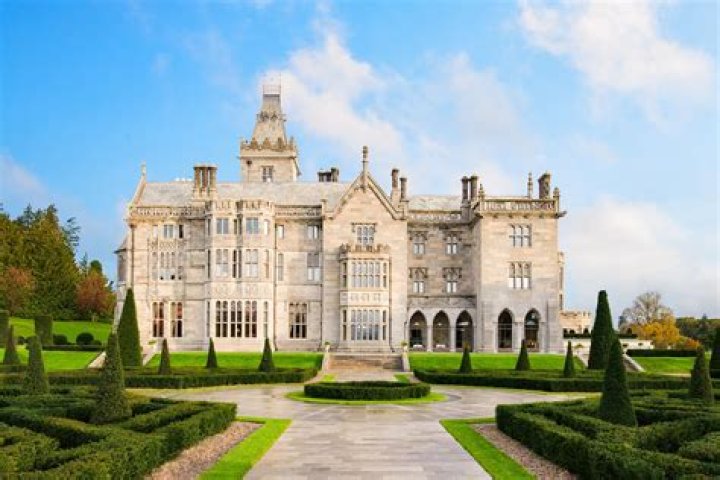
Manor houses, the quintessential symbols of medieval aristocracy, have long fascinated historians and architecture enthusiasts alike. These grand structures were not merely homes but served as the epicenter of feudal life in Europe. With their rich history and intricate designs, manor houses offer a glimpse into a bygone era where power, wealth, and culture intertwined.
From the rolling hills of England to the picturesque landscapes of France, manor houses stand as testaments to the architectural prowess and social hierarchies of their time. As we delve deeper into their origins and significance, you'll uncover the stories behind these majestic abodes and their role in shaping European society.
In this article, we will explore the history, architecture, and cultural significance of manor houses. Whether you're a history buff, an architecture aficionado, or simply curious about the past, this guide will provide you with a comprehensive understanding of these iconic structures.
The History of Manor Houses
The history of manor houses dates back to the early medieval period, around the 11th century. These structures emerged as part of the feudal system, a hierarchical arrangement that dominated much of Europe during the Middle Ages. Manor houses were typically owned by lords or nobles and served as administrative centers for their estates.
During this period, manor houses were not just residences but also symbols of power and authority. They were designed to reflect the wealth and status of their owners, often featuring grand halls, fortified walls, and elaborate gardens. Over time, the design and function of manor houses evolved, adapting to changing social and economic conditions.
By the late medieval period, manor houses began to incorporate more luxurious elements, such as ornate decorations and advanced architectural features. This transformation was driven by the increasing wealth of the nobility and the influence of Renaissance ideas.
Medieval Origins
The origins of manor houses can be traced back to the collapse of the Roman Empire and the subsequent rise of feudalism. In the absence of centralized authority, local lords established manor houses as centers of power and control. These early manor houses were often fortified, reflecting the turbulent nature of medieval society.
Built using locally sourced materials, these structures were designed to withstand attacks from rival lords or invading forces. The inclusion of defensive features, such as moats and towers, underscores the importance of security in medieval life.
Manor House Architecture
The architecture of manor houses is a fascinating blend of functionality and aesthetics. These structures were designed to meet the needs of their inhabitants while also showcasing their wealth and status. From the layout of the rooms to the choice of materials, every aspect of manor house architecture was carefully considered.
Typically, manor houses featured a central hall, which served as the heart of the household. This grand space was used for dining, entertaining guests, and conducting official business. Surrounding the hall were smaller rooms, including bedrooms, kitchens, and storerooms, each serving a specific purpose.
Over time, the architecture of manor houses became more refined, incorporating elements such as large windows, decorative fireplaces, and intricate woodwork. These features not only enhanced the beauty of the structures but also improved their functionality.
Key Architectural Features
- Central Hall: The focal point of the manor house, used for gatherings and official functions.
- Fortified Walls: Designed to protect the inhabitants from external threats.
- Gardens and Grounds: Extensive outdoor spaces that complemented the grandeur of the manor house.
Manor Houses and the Feudal System
Manor houses played a crucial role in the feudal system, serving as the administrative centers of medieval estates. Under this system, lords granted land to vassals in exchange for military service and other obligations. The manor house acted as the hub of this arrangement, facilitating the management of resources and the enforcement of laws.
The relationship between lords and their tenants was complex, involving both mutual obligations and power dynamics. While the lord provided protection and land, the tenants were responsible for working the fields and paying rents. This interdependence was central to the functioning of the feudal system and the role of manor houses within it.
Types of Manor Houses
Manor houses varied in size and style depending on their location and the wealth of their owners. Some were grand and elaborate, while others were more modest in design. Below are some of the most common types of manor houses:
- Fortified Manor Houses: Designed with defense in mind, these structures featured thick walls, towers, and moats.
- Country Manor Houses: Located in rural areas, these manor houses were often surrounded by vast estates and agricultural lands.
- Urban Manor Houses: Found in towns and cities, these structures were more compact but no less impressive in their design.
Famous Examples of Manor Houses
Throughout Europe, there are numerous examples of manor houses that have survived the test of time. These historic structures offer valuable insights into the past and continue to captivate visitors with their beauty and grandeur. Below are some of the most famous manor houses:
- Bodiam Castle: Located in East Sussex, England, this iconic manor house is renowned for its picturesque setting and impressive fortifications.
- Château de Chambord: Situated in France, this grand manor house is celebrated for its Renaissance architecture and expansive grounds.
- Wentworth Woodhouse: Known as one of the largest stately homes in Europe, this manor house in South Yorkshire, England, is a testament to the wealth and power of its former owners.
Modern Usage of Manor Houses
Today, many manor houses have been repurposed for modern use, serving as hotels, museums, and event venues. These adaptations allow the public to experience the grandeur of these historic structures while preserving their cultural significance. Additionally, some manor houses remain privately owned, continuing to function as family homes.
The transformation of manor houses into modern spaces reflects a growing appreciation for heritage and history. By adapting these structures to contemporary needs, we ensure that their legacy endures for future generations.
Restoration and Preservation
The restoration and preservation of manor houses require careful planning and expertise. These historic structures are vulnerable to the effects of time, weather, and neglect, necessitating ongoing maintenance and conservation efforts. Organizations such as English Heritage and Historic Scotland play a vital role in safeguarding these important cultural landmarks.
Modern restoration techniques, combined with traditional craftsmanship, enable the preservation of manor houses while respecting their original design and materials. This balance between innovation and tradition ensures that these structures remain authentic and true to their historical roots.
Cultural Impact of Manor Houses
Manor houses have had a profound impact on European culture, influencing literature, art, and architecture. They have inspired countless works of fiction, from the novels of Jane Austen to the films of Downton Abbey. The imagery of manor houses evokes a sense of nostalgia and romance, capturing the imagination of people around the world.
Moreover, manor houses serve as important educational resources, providing insight into the history and culture of medieval Europe. Through guided tours, exhibits, and educational programs, these structures continue to inspire and inform visitors of all ages.
Economic Role of Manor Houses
In addition to their cultural significance, manor houses played a vital economic role in medieval society. As centers of agricultural production, they generated wealth and resources for their owners. The management of estates, including the cultivation of crops and the raising of livestock, was a key aspect of manor house operations.
The economic activities associated with manor houses also provided employment opportunities for local communities. From farmers and laborers to craftsmen and merchants, many people depended on the manor house for their livelihoods. This interdependence fostered a sense of community and cooperation, essential to the functioning of medieval society.
The Future of Manor Houses
Looking ahead, the future of manor houses depends on continued efforts to preserve and adapt these historic structures. As interest in heritage and history grows, so too does the importance of safeguarding these cultural treasures. Through innovative restoration projects and sustainable practices, we can ensure that manor houses remain relevant and valued in the modern world.
Furthermore, the digital age offers new opportunities for engaging with manor houses. Virtual tours, online exhibitions, and interactive platforms allow people from all over the globe to explore these remarkable structures and deepen their understanding of their significance.
Conclusion
In conclusion, manor houses represent an important chapter in the history of Europe. From their origins in the feudal system to their role in shaping modern society, these structures continue to captivate and inspire. By exploring their history, architecture, and cultural impact, we gain a deeper appreciation for the legacy of manor houses.
We invite you to share your thoughts and experiences in the comments below. Whether you've visited a manor house or simply admire their beauty from afar, your insights are valuable to our community. Don't forget to explore other articles on our site for more fascinating content on history, architecture, and culture.



