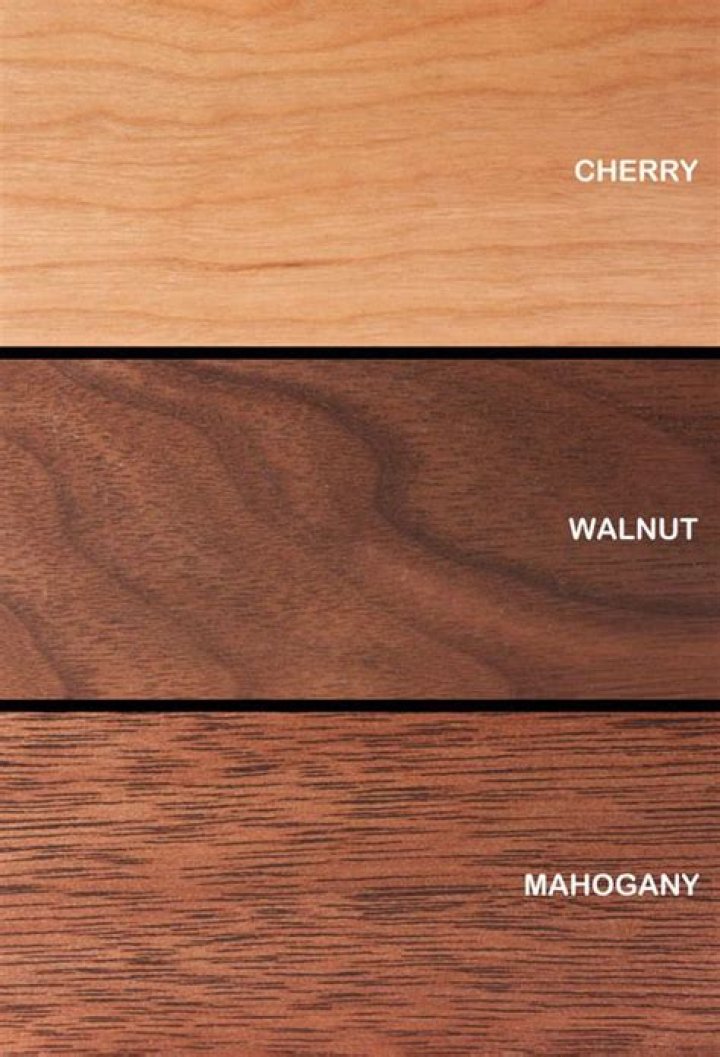
When it comes to selecting the ideal wood for furniture, flooring, or any woodworking project, the debate between walnut or mahogany often arises. Both woods possess unique characteristics, aesthetics, and practical benefits that make them popular choices among woodworkers and homeowners alike. Understanding the differences and similarities between these two types of wood can help you make an informed decision that aligns with your preferences and requirements.
Whether you're a seasoned craftsman or a homeowner looking to enhance the interior of your space, choosing the right wood is crucial. Walnut and mahogany have long been favored for their durability, beauty, and versatility. This article will delve into the properties, applications, and maintenance of both woods, providing you with all the information you need to decide which one suits your project best.
By the end of this guide, you'll have a clear understanding of the advantages and disadvantages of walnut and mahogany, empowering you to make a confident choice. Let's explore the world of walnut and mahogany and uncover what makes each wood special in its own right.
Introduction to Walnut and Mahogany
Walnut and mahogany are two of the most sought-after woods in the woodworking industry. Both woods boast a rich history and have been used for centuries to craft exquisite furniture, musical instruments, and decorative items. However, their distinct characteristics set them apart, making them suitable for different types of projects.
Walnut, known for its dark, chocolatey hue, is prized for its smooth texture and ease of workability. On the other hand, mahogany, with its reddish-brown tones, is renowned for its exceptional durability and resistance to decay. Understanding the origins and properties of these woods is essential before making a choice.
Appearance and Grain Patterns
Walnut Grain and Color
Walnut wood is characterized by its deep, rich brown color, which darkens over time with exposure to light. The grain pattern of walnut is typically straight but can exhibit wavy or curly patterns, adding a touch of elegance to any piece. This wood is often used for its aesthetic appeal, as it provides a sophisticated look to furniture and cabinetry.
Mahogany Grain and Color
Mahogany, on the other hand, has a reddish-brown color that also darkens with age. Its grain is generally straight and fine, although it can sometimes display interlocking grain patterns. Mahogany's color and grain make it a popular choice for traditional and classic designs, offering a warm and inviting feel to any space.
Durability and Strength
Both walnut and mahogany are known for their durability, but they differ in terms of strength and resistance to wear. Walnut is moderately hard and dense, making it suitable for furniture that requires a balance of strength and elegance. Mahogany, however, is slightly harder and more resistant to rot and insects, making it ideal for outdoor furniture and architectural structures.
Maintenance and Care
Walnut Maintenance
Maintaining walnut wood is relatively simple. Regular dusting and occasional polishing with a wood-friendly cleaner can help preserve its natural beauty. Avoid exposing walnut furniture to direct sunlight for prolonged periods, as this can cause the wood to darken unevenly.
Mahogany Maintenance
Mahogany requires similar care but is more forgiving in terms of exposure to sunlight. Its natural oils provide a degree of protection against environmental factors, but regular cleaning and polishing are still recommended to maintain its luster and longevity.
Cost Comparison
When it comes to cost, walnut and mahogany are both considered premium woods, but prices can vary depending on factors such as origin, quality, and availability. Generally, walnut tends to be slightly more expensive due to its limited supply and high demand. However, the cost difference is often negligible compared to the value these woods add to your project.
Applications and Uses
Walnut Uses
- Furniture making
- Cabinetry
- Musical instruments
- Flooring
Mahogany Uses
- High-end furniture
- Shipbuilding
- Doors and windows
- Outdoor structures
Environmental Impact
Both walnut and mahogany have environmental considerations that should be taken into account. Walnut trees grow relatively quickly and are often sustainably harvested, making them a more environmentally friendly option. Mahogany, especially certain species, is often associated with deforestation concerns, so it's important to choose certified, sustainably sourced mahogany to minimize environmental impact.
Availability and Sourcing
Walnut is widely available in North America, Europe, and Asia, making it easier to source for many projects. Mahogany, particularly the genuine variety, is native to Central and South America but is also grown in Africa and Southeast Asia. Availability can vary depending on species and region, so it's crucial to work with reputable suppliers to ensure quality and sustainability.
Walnut vs Mahogany: A Side-by-Side Comparison
| Criteria | Walnut | Mahogany |
|---|---|---|
| Color | Dark brown with hints of purple | Reddish-brown with golden tones |
| Grain | Straight, sometimes wavy or curly | Straight, occasionally interlocking |
| Durability | Moderately durable | Highly durable |
| Cost | Higher price range | Comparable but slightly lower |
| Maintenance | Easy to maintain | Resistant to environmental factors |
Conclusion and Final Thoughts
In conclusion, both walnut and mahogany offer exceptional qualities that make them ideal for a wide range of woodworking projects. Walnut's rich color and smooth texture make it perfect for furniture and cabinetry, while mahogany's durability and resistance to decay make it a top choice for outdoor and structural applications.
Ultimately, the choice between walnut or mahogany depends on your specific needs, preferences, and budget. We encourage you to explore both options and consider consulting with a professional woodworker to help you make the best decision for your project.
Feel free to leave your thoughts and questions in the comments section below. Share this article with your friends and family to help them learn more about walnut and mahogany. For more informative guides and tips, visit our website regularly and stay updated on the latest trends in woodworking and home improvement.
Data Sources:




