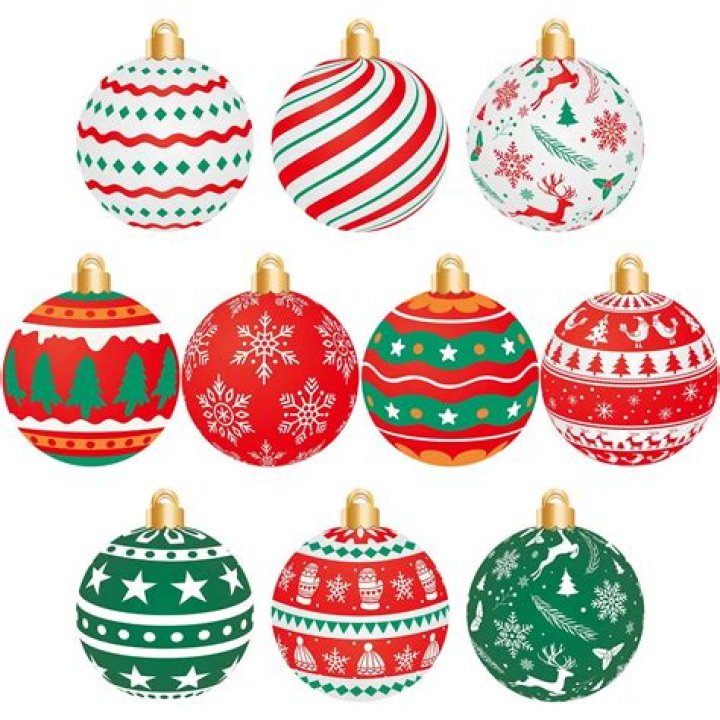
Christmas ornaments are more than just decorative items that adorn our trees during the festive season. They carry deep cultural and historical significance, each piece telling its own unique story. From the vibrant colors to intricate designs, these ornaments symbolize traditions passed down through generations.
The tradition of Christmas ornaments dates back centuries, evolving from humble beginnings to the elaborate displays we see today. Understanding the symbolism behind these decorations adds a layer of meaning to the holiday season, making it richer and more fulfilling.
As we delve into the world of Christmas ornament symbolism, we will explore how these decorations connect us to our past while also creating new memories. This article will provide insights into the history, cultural significance, and modern interpretations of Christmas ornaments.
The History of Christmas Ornaments
The tradition of decorating Christmas trees with ornaments began in the 16th century in Germany. Initially, people used simple, natural decorations like fruits, nuts, and candles. Over time, these decorations evolved into more elaborate items made of glass, metal, and other materials.
By the 19th century, Christmas ornaments had become a staple of holiday celebrations, with companies like Lauscha in Germany producing intricate glass ornaments. These ornaments quickly gained popularity worldwide, becoming a symbol of the festive season.
From Nature to Industry
Early Christmas ornaments were often made from natural materials, reflecting the season's connection to nature. However, industrial advancements allowed for mass production, making ornaments more accessible to the general public.
Symbolism of Common Christmas Ornaments
Each type of Christmas ornament carries its own symbolic meaning. Understanding these meanings can enhance the festive experience and deepen our appreciation for the holiday traditions.
Stars and Angels
- Stars represent the Star of Bethlehem, guiding the wise men to Jesus.
- Angels symbolize messengers of God, bringing peace and joy to the world.
The Meaning Behind Ornament Colors
Colors play a significant role in the symbolism of Christmas ornaments. Each color has its own meaning, contributing to the overall message of the holiday season.
Traditional Colors
- Red symbolizes the blood of Christ and the spirit of love and sacrifice.
- Green represents eternal life and the promise of new beginnings.
- Gold signifies royalty, wealth, and the light of the world.
Material Matters: What Different Materials Represent
The materials used to create Christmas ornaments also hold symbolic meanings. From glass to wood, each material tells a story of its own.
Glass Ornaments
Glass ornaments are delicate and beautiful, symbolizing the fragility and preciousness of life. They remind us to cherish every moment and appreciate the beauty around us.
Shapes and Their Significance
The shape of an ornament can also convey symbolic meaning. Traditional shapes like balls, bells, and stars each have their own significance.
Bells and Balls
- Bells symbolize the announcement of joy and celebration, ringing in the holiday spirit.
- Balls represent unity and completeness, reflecting the harmony of the season.
Religious Symbolism in Christmas Ornaments
For many, Christmas is a religious holiday, and ornaments often reflect this aspect. Religious symbols like the nativity scene, crosses, and doves are common in Christmas decorations.
Nativity Scenes
Nativity scenes are a powerful reminder of the true meaning of Christmas, depicting the birth of Jesus Christ and the humble beginnings of Christianity.
Cultural Traditions and Ornament Symbolism
Different cultures have their own unique traditions when it comes to Christmas ornaments. These traditions often reflect the values and beliefs of the community.
European Traditions
In Europe, Christmas ornaments often incorporate elements of local folklore and mythology, creating a rich tapestry of cultural significance.
Personalizing Your Christmas Ornaments
Personalized ornaments allow individuals to create meaningful connections with their holiday decorations. From family names to special dates, these ornaments become cherished keepsakes.
Customizing Ornaments
- Add names or initials to make ornaments more personal.
- Include significant dates, such as wedding anniversaries or birthdates.
Modern Trends in Christmas Ornament Design
As society evolves, so do the designs of Christmas ornaments. Modern trends incorporate contemporary aesthetics while maintaining traditional symbolism.
Minimalist Designs
Minimalist ornaments focus on simplicity and elegance, using clean lines and neutral colors to create a sophisticated look.
Tips for Choosing Meaningful Ornaments
When selecting Christmas ornaments, consider the symbolism and meaning behind each piece. This ensures that your decorations not only look beautiful but also hold personal significance.
Selecting Ornaments
- Choose ornaments that reflect your personal values and beliefs.
- Consider the history and cultural significance of the ornaments you select.
Conclusion
Christmas ornaments are more than just decorations; they are symbols of tradition, culture, and personal meaning. By understanding the symbolism behind these ornaments, we can deepen our connection to the holiday season and create lasting memories.
We invite you to share your thoughts and experiences with Christmas ornaments in the comments below. Feel free to explore other articles on our site for more insights into holiday traditions and beyond. Together, let's celebrate the beauty and meaning of Christmas through the art of ornamentation.
For further reading, check out these trusted sources:




