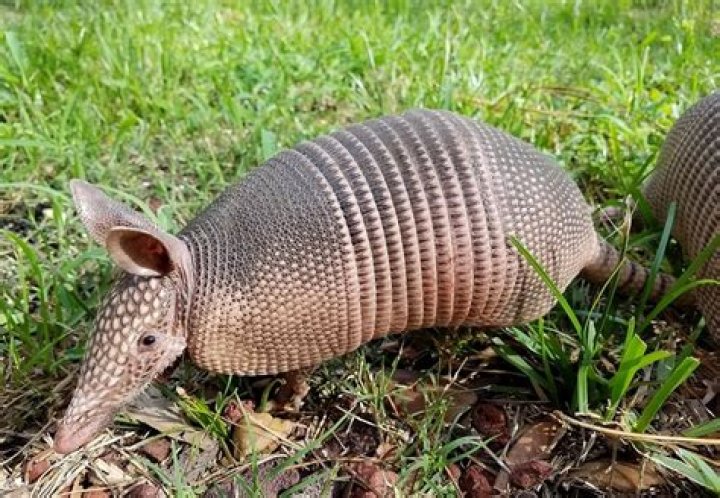
Armadillos are fascinating creatures with unique adaptations that allow them to thrive in diverse environments across the Americas. From their armored shells to their specialized digging abilities, these animals have evolved in remarkable ways to survive and flourish. In this comprehensive article, we will explore the incredible adaptations of armadillos and how they contribute to their survival in the wild.
Armadillos have captured the imagination of scientists and nature enthusiasts alike due to their distinct physical features and behaviors. Their ability to adapt to various ecosystems is a testament to their evolutionary success. Understanding the adaptations of armadillos provides valuable insights into the intricacies of animal survival strategies.
This article delves into the world of armadillos, examining their physical, behavioral, and ecological adaptations. By exploring their unique traits, we can appreciate the complexity of their evolutionary journey and the role they play in maintaining ecological balance. Let’s begin our journey into the fascinating world of armadillos and their incredible adaptations.
Physical Adaptations of Armadillos
Armadillos possess a variety of physical adaptations that enable them to survive in their natural habitats. Their most distinctive feature is the armored shell, which provides protection against predators. The shell is composed of bony plates covered by a layer of keratin, making it both lightweight and durable.
In addition to the shell, armadillos have strong limbs and claws that are perfectly suited for digging. These adaptations allow them to create burrows for shelter and to unearth food from the soil. Their streamlined bodies and short, powerful legs contribute to their efficient movement through dense vegetation.
Unique Shell Variations
Different species of armadillos exhibit variations in their shell structure. For example, the nine-banded armadillo has a flexible shell that allows for greater mobility, while the three-banded armadillo can roll into a ball for complete protection. These variations highlight the diversity of adaptations within the armadillo family.
Behavioral Adaptations
Armadillos have developed a range of behavioral adaptations to enhance their survival. They are primarily nocturnal, which helps them avoid predators and the heat of the day. Their burrowing habits provide a safe refuge from both predators and extreme weather conditions.
Armadillos are also known for their solitary nature, with most species preferring to live alone except during the breeding season. This behavior reduces competition for resources and minimizes the risk of predation.
Nocturnal Activity Patterns
- Armadillos are most active during the night, reducing exposure to predators.
- They use their keen sense of smell to locate food in the dark.
- Nocturnal behavior helps conserve energy by avoiding the heat of the day.
Dietary Adaptations
The diet of armadillos is another area where their adaptations shine. These animals are primarily insectivores, feeding on ants, termites, and other insects. Their long, sticky tongues and strong claws make it easy for them to extract food from the ground.
Some species of armadillos have also been observed consuming fruits, plants, and small vertebrates, showcasing their ability to adapt their diet based on availability. This flexibility in dietary preferences enhances their chances of survival in changing environments.
Specialized Feeding Techniques
Armadillos employ specialized feeding techniques to maximize their food intake. They use their acute sense of smell to detect prey underground and their powerful claws to dig it out. This combination of sensory and physical adaptations makes them highly efficient hunters.
Environmental Adaptations
Armadillos have adapted to a wide range of environments, from grasslands to tropical rainforests. Their ability to thrive in diverse ecosystems is a testament to their adaptability. The nine-banded armadillo, for instance, has expanded its range significantly, moving from Central America into parts of the United States.
These animals are capable of surviving in both dry and humid climates, thanks to their efficient water conservation mechanisms and ability to regulate body temperature. Their burrows provide additional insulation, helping them maintain a stable internal environment regardless of external conditions.
Range Expansion
The expansion of armadillo populations into new regions is a fascinating example of environmental adaptation. Factors such as climate change and habitat modification have influenced their distribution, allowing them to colonize areas previously unsuitable for their survival.
The Role of the Armored Shell
The armored shell is one of the most iconic features of armadillos and plays a crucial role in their survival. It serves as a primary defense mechanism against predators, providing a physical barrier that is difficult to penetrate. The shell also offers protection against abrasive surfaces, enabling armadillos to navigate through dense vegetation and rocky terrain.
Interestingly, the structure of the shell varies between species, with some having more flexibility than others. This variation reflects the different ecological niches occupied by various armadillo species.
Shell Composition and Function
- The shell is composed of bony plates covered with keratin, providing strength and flexibility.
- It protects armadillos from predators and environmental hazards.
- Some species, like the three-banded armadillo, can roll into a ball for added protection.
Burrowing Abilities
Armadillos are renowned for their burrowing abilities, which are essential for both shelter and food acquisition. Their strong limbs and claws allow them to dig efficiently, creating complex burrow systems that serve multiple purposes. These burrows provide protection from predators, extreme weather, and other environmental threats.
Burrowing also plays a vital role in the armadillo’s feeding strategy. By digging into the soil, they can access insects and other food sources that are otherwise inaccessible. This behavior not only ensures a steady food supply but also contributes to soil aeration and nutrient cycling in their habitats.
Benefits of Burrowing
- Burrows offer protection from predators and harsh weather conditions.
- They provide a safe environment for raising young.
- Burrowing activities contribute to ecosystem health by aerating the soil.
Reproductive Adaptations
Armadillos have unique reproductive adaptations that enhance their survival as a species. One of the most notable is delayed implantation, a process where fertilized eggs remain dormant in the uterus until conditions are favorable for development. This adaptation allows armadillos to time the birth of their offspring to coincide with optimal environmental conditions.
Most armadillo species give birth to litters of identical quadruplets, a result of the splitting of a single fertilized egg. This reproductive strategy increases the chances of survival for the offspring, as they are genetically identical and therefore equally suited to their environment.
Delayed Implantation
Delayed implantation is a key reproductive adaptation in armadillos. By controlling the timing of embryo development, armadillos can ensure that their young are born during periods of abundant food and favorable weather. This strategy enhances the survival rates of their offspring and contributes to the long-term success of the species.
Sensory Adaptations
Armadillos rely heavily on their senses to navigate their environment and locate food. Their sense of smell is particularly acute, allowing them to detect prey buried deep in the soil. Despite their poor eyesight, armadillos are highly effective hunters, thanks to their keen sense of smell and tactile abilities.
They also possess sensitive vibrissae, or whiskers, which help them detect movement and changes in their surroundings. These sensory adaptations enable armadillos to thrive in low-light conditions and complex environments.
Keen Sense of Smell
- Armadillos use their sense of smell to locate food underground.
- This adaptation is crucial for their survival as insectivores.
- Their ability to detect scent trails enhances their hunting efficiency.
Threats and Survival Strategies
Despite their impressive adaptations, armadillos face numerous threats in the wild. Habitat loss, predation, and human activities pose significant challenges to their survival. However, their adaptability and resilience have enabled them to persist in the face of these challenges.
Conservation efforts are underway to protect armadillo populations and their habitats. By addressing the root causes of habitat destruction and promoting coexistence with human communities, we can ensure the continued survival of these remarkable creatures.
Conservation Efforts
Efforts to conserve armadillos focus on preserving their natural habitats and reducing human-wildlife conflict. Protected areas and wildlife corridors are being established to safeguard armadillo populations and promote genetic diversity. Public awareness campaigns also play a crucial role in fostering appreciation and understanding of these unique animals.
Future Research on Armadillo Adaptations
There is still much to learn about the adaptations of armadillos and how they contribute to their survival. Future research should focus on understanding the genetic basis of their unique traits, the impact of climate change on their distribution, and the role they play in ecosystem dynamics.
By advancing our knowledge of armadillo adaptations, we can develop more effective conservation strategies and ensure the long-term survival of these fascinating creatures. Collaborative research efforts involving scientists, conservationists, and local communities will be essential in achieving this goal.
Potential Research Directions
- Investigating the genetic basis of delayed implantation and other reproductive adaptations.
- Studying the effects of climate change on armadillo distribution and behavior.
- Examining the ecological role of armadillos in their habitats.
Kesimpulan
The adaptations of armadillos are a testament to their remarkable ability to survive and thrive in diverse environments. From their armored shells to their specialized burrowing and feeding techniques, these animals have evolved a wide range of traits that enhance their chances of survival. Understanding these adaptations not only deepens our appreciation of armadillos but also highlights the importance of conserving their habitats and promoting biodiversity.
We invite you to share your thoughts and insights on the incredible adaptations of armadillos in the comments section below. By engaging in discussions and spreading awareness, we can contribute to the conservation of these fascinating creatures. Don’t forget to explore other articles on our site for more information on wildlife and conservation efforts.