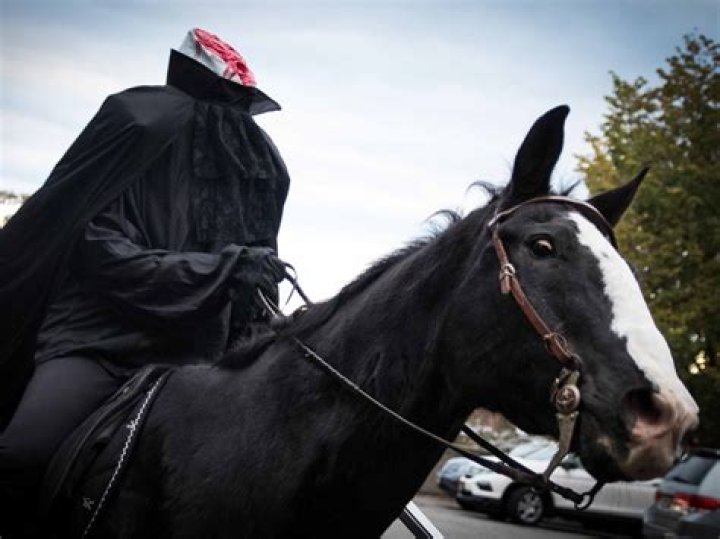
The legend of the Headless Horseman in New York has captivated the imaginations of countless individuals for generations. This iconic figure from American folklore has become a symbol of mystery, fear, and intrigue. Emerging from Washington Irving's classic tale "The Legend of Sleepy Hollow," the Headless Horseman continues to inspire books, movies, and cultural references. As we delve deeper into this fascinating story, we will uncover the origins, historical significance, and lasting impact of this legendary character.
For those unfamiliar with the tale, the Headless Horseman is a ghostly rider believed to haunt the sleepy village of Sleepy Hollow in New York. His story has been passed down through generations, evolving from a simple ghost story into a cultural phenomenon. The character's enduring popularity lies in its ability to evoke a sense of mystery and wonder, making it a timeless piece of American folklore.
This article aims to provide a comprehensive exploration of the Headless Horseman's story, its origins, and its impact on popular culture. By examining the historical context, literary significance, and cultural influence of this legendary figure, we hope to offer readers a deeper understanding of why the Headless Horseman remains such a compelling figure in modern times.
The Origin of the Headless Horseman
The origins of the Headless Horseman trace back to German folklore, where tales of headless spirits were common. These stories were brought to the United States by early settlers, particularly in the Hudson Valley region of New York. The character eventually found its way into Washington Irving's famous short story, "The Legend of Sleepy Hollow," published in 1820. This tale transformed the Headless Horseman from a mere ghostly figure into a cultural icon.
How the Legend Evolved
The evolution of the Headless Horseman from a regional legend to a national phenomenon is a testament to the power of storytelling. In its original form, the legend described a Hessian soldier who lost his head during the American Revolutionary War. His ghost was said to ride through the night, searching for his lost head. Over time, this story was embellished and adapted, eventually becoming the version we know today.
- German folklore as the foundation
- Hessian soldier backstory
- Transformation into a national legend
The Setting: Sleepy Hollow, New York
Sleepy Hollow, located in Westchester County, New York, serves as the backdrop for the Headless Horseman's story. This picturesque village, known for its serene landscapes and historical significance, provides the perfect setting for a tale of mystery and intrigue. The area's rich history and folklore contribute to its reputation as a place where the supernatural and the real world intersect.
Key Locations in Sleepy Hollow
Several locations in Sleepy Hollow are central to the legend, including the Old Dutch Church and the nearby cemetery. These sites have become pilgrimage destinations for fans of the story, eager to experience the eerie atmosphere firsthand.
- Old Dutch Church
- Bridge over the Pocantico River
- Historic Cemetery
Washington Irving's Tale
Washington Irving's "The Legend of Sleepy Hollow" is the definitive version of the Headless Horseman's story. Through his vivid descriptions and engaging narrative, Irving brought the character to life, creating a timeless piece of literature. The story revolves around Ichabod Crane, a schoolmaster from Connecticut, and his encounters with the ghostly rider. Irving's work not only popularized the legend but also cemented Sleepy Hollow's place in American literary history.
Key Themes in the Story
The themes explored in "The Legend of Sleepy Hollow" include the supernatural, love, and the clash between rural and urban cultures. These elements contribute to the story's enduring appeal and its relevance in contemporary society.
- Supernatural elements
- Romantic rivalry
- Cultural clash
The Historical Basis Behind the Legend
While the Headless Horseman is a fictional character, his story has roots in historical events. During the American Revolutionary War, the Hudson Valley was a battleground between British and American forces. Hessians, German mercenaries fighting for the British, were present in the region, and their involvement in the conflict provided the basis for the legend. Historical records and local folklore suggest that the story of the headless rider may have originated from actual events during this tumultuous period.
Hessians and the Revolutionary War
The presence of Hessians in the Hudson Valley adds a layer of authenticity to the legend. These soldiers, known for their fierce fighting skills, became part of the local lore, contributing to the mythos surrounding the Headless Horseman.
The Cultural Impact of the Headless Horseman
The Headless Horseman's influence extends far beyond the pages of literature. This character has inspired countless adaptations in various forms of media, including films, television shows, and video games. The universal appeal of the story lies in its ability to resonate with audiences of all ages, transcending cultural and linguistic barriers.
Adaptations in Popular Media
From Tim Burton's "Sleepy Hollow" to the animated Disney adaptation, the Headless Horseman has been reinterpreted numerous times. Each adaptation brings a unique perspective to the story, keeping the character relevant in modern times.
- Tim Burton's "Sleepy Hollow" (1999)
- Disney's "The Adventures of Ichabod and Mr. Toad" (1949)
- TV series "Sleepy Hollow" (2013-2017)
Headless Horseman in Movies
Movies have played a significant role in popularizing the Headless Horseman. Film adaptations have brought the character to life, using cutting-edge special effects to create a visually stunning portrayal of the ghostly rider. These films have introduced the legend to new generations, ensuring its continued relevance in popular culture.
Notable Film Adaptations
Several notable films have featured the Headless Horseman, each offering a unique interpretation of the character. These adaptations have contributed to the character's lasting legacy in cinema.
- "The Legend of Sleepy Hollow" (1922)
- "The Headless Horseman" (1959)
- Tim Burton's "Sleepy Hollow" (1999)
In Literature Beyond Irving
While Washington Irving's work remains the most famous version of the Headless Horseman's story, the character has appeared in numerous other literary works. Authors have reimagined the legend, exploring new themes and perspectives. These reinterpretations have enriched the character's mythology, offering fresh insights into the story's enduring appeal.
Modern Literary Interpretations
Contemporary authors have continued to explore the Headless Horseman's story, bringing new dimensions to the character. These works often address contemporary issues, making the legend relevant to modern audiences.
Tourism and the Headless Horseman
The Headless Horseman's story has become a major draw for tourists visiting Sleepy Hollow, New York. The village hosts annual festivals and events celebrating the legend, attracting visitors from around the world. These activities not only promote local tourism but also help preserve the cultural heritage of the region.
Annual Festivals and Events
Events such as the "Headless Horseman Run" and the "Legend of Sleepy Hollow Festival" offer fans a chance to immerse themselves in the story's world. These activities provide an authentic experience, allowing visitors to connect with the legend on a deeper level.
Folklore and Urban Legends
The Headless Horseman's story has inspired countless urban legends and modern folklore. These tales, often shared through word of mouth, continue to evolve, reflecting the changing times and societal values. The character's ability to adapt to new contexts ensures its continued relevance in contemporary culture.
Modern Interpretations of the Legend
Modern interpretations of the Headless Horseman's story often incorporate elements of horror and suspense, appealing to fans of the genre. These adaptations keep the legend alive, introducing it to new audiences and ensuring its place in the annals of folklore.
Conclusion
The legend of the Headless Horseman in New York continues to captivate audiences worldwide, thanks to its rich history, cultural significance, and enduring appeal. From its origins in German folklore to its transformation into a national legend through Washington Irving's work, the character has left an indelible mark on popular culture. Its presence in literature, film, and tourism underscores its importance as a cultural icon.
We invite readers to explore the Headless Horseman's story further, whether through reading classic literature, watching film adaptations, or visiting Sleepy Hollow itself. By engaging with this timeless tale, we can gain a deeper appreciation for the power of storytelling and its ability to connect us across generations.
Please feel free to leave your thoughts in the comments below or share this article with others who may be interested in the legend of the Headless Horseman. For more fascinating stories and insights, explore our other articles on the site.