Costa Rica's energy landscape is a shining example of how a nation can harness renewable resources to achieve sustainable development. As one of the world's leaders in renewable energy, Costa Rica offers a compelling case study for countries seeking to transition toward cleaner energy sources. This article explores the nation's energy achievements, challenges, and future potential.
From its verdant rainforests to its majestic volcanoes, Costa Rica has long been recognized as a global leader in environmental conservation. The country's commitment to renewable energy aligns perfectly with its ecological values, making it a model for sustainable energy development.
This article delves into the various aspects of Costa Rica's energy sector, including its renewable energy initiatives, challenges faced, and future prospects. Whether you're an energy enthusiast, an environmentalist, or simply curious about sustainable development, this comprehensive guide offers valuable insights into Costa Rica's energy journey.
Biography of Costa Rica's Energy Sector
Costa Rica's energy journey began with its abundant natural resources. The country's geography, marked by rivers, volcanoes, and consistent wind patterns, provides ideal conditions for renewable energy production. Over the years, Costa Rica has transformed its energy sector into a model of sustainability.
According to the International Energy Agency (IEA), Costa Rica generates over 98% of its electricity from renewable sources. This achievement places the country among the top nations in the world for clean energy production. The government's commitment to reducing carbon emissions and promoting sustainability has been a driving force behind this success.
Below is a table summarizing key data about Costa Rica's energy sector:
| Parameter | Value |
|---|---|
| Population | Approximately 5 million |
| Renewable Energy Share | 98% of electricity generation |
| Primary Energy Source | Hydroelectric power |
| Annual Energy Production | 10,000 GWh (approx.) |
Renewable Energy Dominance in Costa Rica
Hydropower: The Leading Renewable Source
Hydropower accounts for the largest share of Costa Rica's energy mix. The country's numerous rivers and consistent rainfall make it an ideal location for hydroelectric power plants. The Reventazón Hydroelectric Project, one of the largest in Central America, exemplifies Costa Rica's commitment to harnessing its water resources.
According to a report by the Costa Rican Electricity Institute (ICE), hydropower generates approximately 70% of the country's electricity. This reliance on water-based energy has been both a blessing and a challenge, as seasonal variations can impact production levels.
Hydroelectric Power: Costa Rica's Backbone
Key Hydroelectric Projects
Costa Rica boasts several significant hydroelectric projects that contribute to its energy independence. Some of the most notable include:
- Reventazón Hydroelectric Plant – Produces around 305 MW of electricity
- Arenal Hydroelectric Plant – Generates approximately 165 MW
- Angostura Hydroelectric Plant – Contributes 114 MW to the national grid
These projects not only supply energy but also serve as tourist attractions, showcasing Costa Rica's engineering prowess and environmental commitment.
Geothermal Energy: Tapping Volcanic Power
Potential and Production
Costa Rica's volcanic activity provides a rich source of geothermal energy. The country has developed several geothermal plants, primarily in the Miravalles Volcano region. Geothermal energy accounts for approximately 15% of Costa Rica's electricity production.
Research by the United States Geological Survey (USGS) indicates that Costa Rica has untapped geothermal potential, which could significantly boost its energy output. Expansion in this area remains a priority for the government.
Wind and Solar Energy Expansion
Rising Contributions
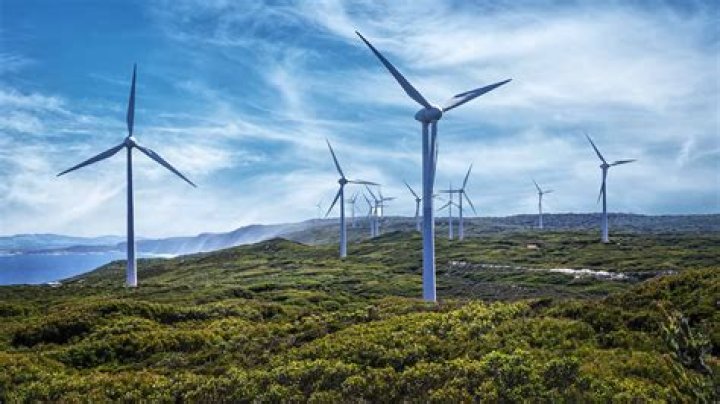
Wind and solar energy are rapidly gaining prominence in Costa Rica's energy mix. Advances in technology and decreasing costs have made these sources increasingly viable. The country's consistent wind patterns and abundant sunlight create favorable conditions for renewable energy generation.
As of 2023, wind energy contributes around 10% to Costa Rica's electricity production, while solar energy accounts for approximately 3%. The government aims to increase these percentages through incentives and infrastructure development.
Challenges in Costa Rica's Energy Sector
Weather Dependency
One of the primary challenges facing Costa Rica's energy sector is its reliance on weather patterns. Droughts can significantly impact hydroelectric production, while wind and solar energy are subject to seasonal variations. Developing energy storage solutions and diversifying energy sources are critical to overcoming these challenges.
Infrastructure Limitations
Although Costa Rica has made significant progress in renewable energy, its infrastructure still faces limitations. Upgrading transmission lines and expanding grid capacity are necessary to accommodate increasing energy demands.
Government Policies and Initiatives
Promoting Sustainable Energy
The Costa Rican government has implemented various policies to support renewable energy development. Tax incentives, subsidies, and public-private partnerships have encouraged investment in clean energy projects. The National Decarbonization Plan, launched in 2019, outlines ambitious goals for achieving carbon neutrality by 2050.
Additionally, the government collaborates with international organizations such as the World Bank and the Inter-American Development Bank to secure funding for renewable energy initiatives.
Economic Impact of Renewable Energy
Job Creation and Economic Growth
Renewable energy projects have created numerous job opportunities in Costa Rica, contributing to economic growth. According to a study by the International Renewable Energy Agency (IRENA), the renewable energy sector employs over 10,000 people in the country. This figure is expected to rise as more projects come online.
Furthermore, the export of clean energy technology and expertise has positioned Costa Rica as a leader in the global renewable energy market.
Environmental Benefits of Clean Energy
Reducing Carbon Footprint
Costa Rica's commitment to renewable energy has significantly reduced its carbon footprint. By minimizing reliance on fossil fuels, the country has lowered greenhouse gas emissions and contributed to global efforts to combat climate change.
Preserving biodiversity is another key benefit of Costa Rica's clean energy initiatives. By protecting natural habitats and reducing pollution, the country ensures the survival of its rich ecosystems.
Future Prospects for Energy Costa Rica
Innovation and Expansion
Looking ahead, Costa Rica is poised to further expand its renewable energy capabilities. Innovations in energy storage, grid modernization, and technological advancements will play crucial roles in this growth. The government's dedication to sustainability and collaboration with international partners will continue to drive progress in the energy sector.
As the world shifts toward cleaner energy solutions, Costa Rica's experience offers valuable lessons for other nations. Its success demonstrates that with vision, commitment, and innovation, a sustainable energy future is within reach.
Conclusion
Costa Rica's energy sector stands as a testament to the power of renewable resources and sustainable development. From its dominance in hydropower to its growing investments in wind and solar energy, the country continues to lead the way in clean energy innovation.
We invite you to engage with this content by sharing your thoughts in the comments section below. For more insights into global energy trends, explore our other articles on renewable energy. Together, let's contribute to a cleaner, greener future for all.




