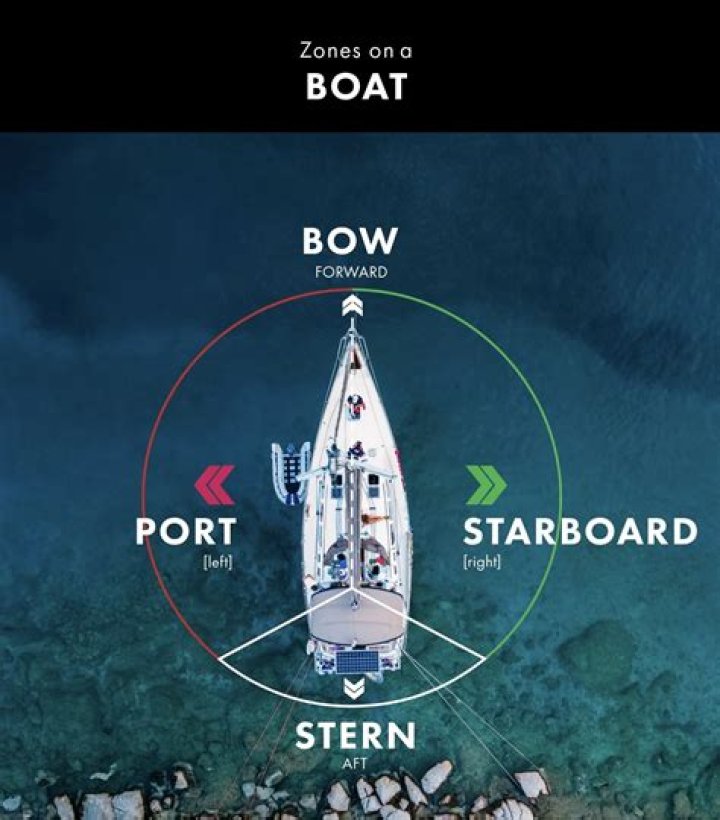
The starboard side of the boat holds significant importance in nautical terminology and navigation. Whether you're an experienced sailor or just starting your journey on the water, understanding the starboard side is crucial. It's not just about knowing the right-hand side of the vessel when facing forward; it's about grasping its role in maritime rules, safety, and communication.
The starboard side of the boat has a rich history that dates back centuries. From ancient sailing practices to modern-day regulations, this term continues to play a vital role in maritime operations. Understanding its significance can enhance your boating experience and ensure compliance with international maritime laws.
In this article, we will delve into the intricacies of the starboard side of the boat. We'll explore its origins, its importance in navigation, safety protocols, and much more. By the end of this guide, you'll have a comprehensive understanding of why the starboard side matters and how it impacts boating activities.
The Historical Background of the Starboard Side
Origins of the Term Starboard
The term "starboard" originates from Old English and Norse words. "Starboard" comes from the Old English word "stéor" meaning "steer" and "bord" meaning "board" or "side." In ancient times, ships were steered using a steering oar on the right side, which eventually became known as the starboard side.
This practice of placing the steering oar on the right side was due to the prevalence of right-handed sailors. Over time, the term "starboard" became universally accepted in maritime terminology.
Evolution of Nautical Terminology
As maritime navigation evolved, so did the terminology used to describe different parts of the ship. The adoption of standardized terms like "starboard" and "port" helped improve communication among sailors, especially during complex maneuvers and in crowded waterways.
Today, the starboard side remains a fundamental concept in nautical education and practice, ensuring clarity and safety in all boating activities.
Understanding Nautical Terms: Port and Starboard
When it comes to nautical terms, "port" and "starboard" are among the most essential. While starboard refers to the right-hand side of the boat when facing forward, port refers to the left-hand side. These terms are crucial for effective communication on board and in maritime operations.
Using "left" and "right" can be confusing, especially when directions are given over the radio or in low-visibility conditions. "Port" and "starboard" eliminate this ambiguity, ensuring that everyone on board understands instructions clearly and quickly.
The Role of Starboard in Navigation
The starboard side plays a critical role in navigation, particularly in rules of the road and collision avoidance. When two vessels approach each other head-on, the rule is to pass on the port side, meaning each vessel should steer to its starboard side. This standardization helps prevent collisions and ensures safe passage for all watercraft.
In addition to collision avoidance, the starboard side is often used as a reference point for navigation markers and aids. Understanding its role in navigation can enhance your ability to navigate safely and efficiently.
Safety Protocols Involving the Starboard Side
Starboard-Side Safety Checks
Safety protocols often involve specific checks on the starboard side of the boat. This includes inspecting equipment, ensuring proper lighting, and verifying that all safety gear is in place. Regular maintenance and inspections of the starboard side can prevent accidents and ensure compliance with maritime regulations.
Emergency Procedures
In emergency situations, understanding the starboard side's role can be crucial. For example, during a man-overboard situation, the starboard side may be used as a reference point for rescue operations. Familiarity with the starboard side's features and equipment can make a significant difference in emergency response times.
Maritime Rules Related to Starboard
International maritime rules, such as the International Regulations for Preventing Collisions at Sea (COLREGS), specify how vessels should navigate in relation to the starboard side. These rules dictate actions such as passing on the starboard side in certain scenarios and maintaining a safe distance from other vessels.
Adhering to these rules is not only a legal requirement but also a safety measure that protects all mariners. Understanding and applying these rules can help prevent accidents and ensure smooth sailing.
Starboard-Side Equipment and Features
Common Equipment on the Starboard Side
The starboard side of a boat often houses essential equipment and features. These may include navigation lights, communication devices, and safety gear. Some vessels also have specific starboard-side features like lifeboats or davits for launching emergency equipment.
Knowing the location and function of these items can be vital in both routine operations and emergencies. Familiarizing yourself with the starboard-side equipment can enhance your overall boating experience.
Maintenance Tips for Starboard-Side Equipment
Regular maintenance is crucial for ensuring that starboard-side equipment functions correctly. This includes checking navigation lights, testing communication devices, and verifying the condition of safety gear. A well-maintained starboard side contributes to the overall safety and reliability of the vessel.
Practical Boating Tips for Starboard Awareness
Here are some practical tips for staying aware of the starboard side while boating:
- Always check the starboard side during pre-departure inspections.
- Be mindful of the starboard side when navigating in crowded waterways.
- Use the starboard side as a reference point for navigation markers and aids.
- Ensure all starboard-side equipment is in good working condition.
- Practice emergency procedures involving the starboard side regularly.
By incorporating these tips into your boating routine, you can enhance your awareness and safety on the water.
Frequently Asked Questions About the Starboard Side
What Is the Starboard Side of the Boat?
The starboard side of the boat is the right-hand side when facing forward. It is a fundamental term in nautical terminology and plays a crucial role in navigation and safety.
Why Is It Called Starboard?
The term "starboard" originates from Old English and refers to the side of the ship where the steering oar was traditionally placed. This side was called the "steerboard," which eventually evolved into "starboard."
How Does the Starboard Side Impact Navigation?
The starboard side impacts navigation through rules of the road, collision avoidance, and reference points for navigation markers. Understanding its role can enhance your ability to navigate safely and efficiently.
References and Further Reading
To learn more about the starboard side of the boat, consider exploring the following resources:
- International Regulations for Preventing Collisions at Sea (COLREGS)
- U.S. Coast Guard Navigation Rules
- Maritime Safety and Navigation Guides
These resources provide valuable insights into the importance of the starboard side and its role in maritime operations.
Conclusion: Why the Starboard Side Matters
In conclusion, understanding the starboard side of the boat is essential for safe and efficient boating. From its historical origins to its role in modern navigation and safety protocols, the starboard side plays a vital part in maritime activities.
We encourage you to share this article with fellow boaters and explore our other guides for more information on boating safety and navigation. By staying informed and aware, you can enjoy a safer and more enjoyable boating experience.



