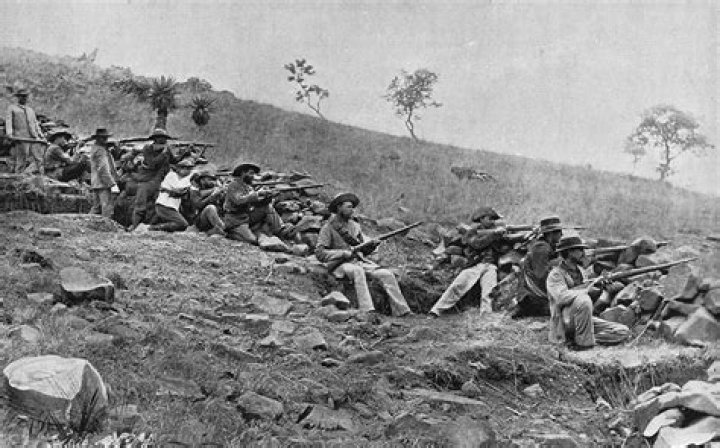
The Boer War remains one of the most significant conflicts in modern history, shaping the geopolitical landscape of South Africa and influencing military strategies worldwide. This war, primarily fought between the British Empire and the Boer Republics, has left a lasting impact on both nations and their people. Understanding its origins, key events, and consequences is crucial for anyone interested in world history.
The Boer War was not just a territorial conflict but also a struggle for resources, identity, and power. It involved complex political and social dynamics that affected not only South Africa but also the global colonial system. By exploring this period, we gain insights into how colonial powers operated and the resistance they faced.
This article delves into the intricacies of the Boer War, providing detailed information on its causes, major battles, and long-term effects. It also examines the role of key figures and the strategies employed by both sides, making it an essential read for history enthusiasts and students alike.
Introduction to the Boer War
The Boer War, primarily known as the South African War, was a series of conflicts that took place between 1899 and 1902. It involved the British Empire and the two Boer Republics, the South African Republic (Transvaal) and the Orange Free State. The war was driven by economic interests, particularly the discovery of gold in the Witwatersrand region, and the desire for political control over South Africa.
This conflict was unique in its scale and intensity, marking one of the first wars where modern military tactics and technology were extensively used. It also highlighted the resilience and determination of the Boer forces, who fought against a much larger and better-equipped British army.
Understanding the Boer War requires examining its historical context, the motivations of the parties involved, and the broader implications it had on the region and the world. This introduction sets the stage for a deeper exploration of the war's various aspects.
Causes of the Boer War
Economic Factors
Economic interests played a pivotal role in the onset of the Boer War. The discovery of gold and diamonds in the Transvaal region attracted significant British investment and immigration. This influx of "uitlanders" (foreigners) created tensions with the Boer population, who feared losing their cultural identity and political autonomy.
Political Motivations
Politically, the British Empire sought to consolidate its control over South Africa, viewing the Boer Republics as obstacles to its imperial ambitions. The Boers, on the other hand, were determined to maintain their independence and resist British dominance. These conflicting goals were a recipe for conflict.
Key causes of the Boer War include:
- British desire for control over gold and diamond mines
- Boer resistance to British imperialism
- Tensions between uitlanders and Boer citizens
Major Battles in the Boer War
Battle of Spion Kop
The Battle of Spion Kop, fought in January 1900, was one of the most infamous engagements of the Boer War. Despite British numerical superiority, the Boers managed to hold their ground, inflicting heavy casualties on the British forces. This battle highlighted the Boers' effective use of guerrilla tactics and their knowledge of the terrain.
Siege of Mafeking
The Siege of Mafeking, lasting from October 1899 to May 1900, became a symbol of British resistance. Colonel Robert Baden-Powell, who later founded the Boy Scout movement, successfully defended the town against prolonged Boer attacks. The relief of Mafeking was celebrated as a major victory for the British.
These battles, among others, demonstrated the challenges faced by both sides and the strategic ingenuity employed during the conflict.
Key Figures in the Boer War
Paul Kruger
Paul Kruger, the President of the South African Republic, was a central figure in the Boer War. Known for his leadership and determination, Kruger played a crucial role in rallying the Boer population and organizing their resistance against British forces.
Lord Kitchener
Lord Kitchener, a prominent British military commander, was instrumental in implementing harsh tactics during the latter stages of the war. His use of concentration camps and scorched earth policies drew international criticism but ultimately contributed to the British victory.
Other notable figures include:
- Jan Smuts - Boer general and later Prime Minister of South Africa
- Joseph Chamberlain - British politician advocating for imperial expansion
Military Strategies Used
Guerrilla Warfare
The Boers employed guerrilla warfare tactics, leveraging their knowledge of the terrain and mobility to outmaneuver the British forces. This strategy proved highly effective, allowing the Boers to sustain their resistance for an extended period.
Concentration Camps
The British responded with the establishment of concentration camps, where Boer civilians, including women and children, were interned. This controversial strategy aimed to weaken Boer resistance by cutting off their support base but resulted in widespread suffering and loss of life.
These contrasting strategies underscore the brutal nature of the conflict and the lengths to which both sides were willing to go to achieve victory.
Impact on South Africa
The Boer War had profound effects on South Africa, reshaping its political, social, and economic landscape. The war led to the annexation of the Boer Republics by the British Empire, paving the way for the eventual formation of the Union of South Africa in 1910.
Socially, the war left deep scars, with many Boer families losing loved ones and their livelihoods. The concentration camps, in particular, had devastating consequences, with thousands of civilians perishing due to disease and malnutrition.
Global Effects of the Boer War
Internationally, the Boer War highlighted the limitations of imperial power and the rising tide of anti-colonial sentiment. It also spurred debates about the ethics of warfare and the treatment of civilians during conflicts.
The war influenced military strategies worldwide, demonstrating the effectiveness of guerrilla tactics and the importance of public opinion in shaping war outcomes. It also contributed to the development of international humanitarian laws, aiming to prevent similar atrocities in future conflicts.
Human Rights Concerns
Human rights violations were a significant issue during the Boer War, particularly concerning the use of concentration camps. The conditions in these camps were deplorable, leading to widespread condemnation from international observers.
Efforts to address these concerns contributed to the establishment of the Hague Conventions, which sought to regulate the conduct of war and protect civilians. These conventions laid the groundwork for modern international law and human rights standards.
Consequences of the Boer War
Political Repercussions
Politically, the Boer War marked the beginning of the decline of the British Empire's dominance in Africa. It also set the stage for the emergence of a unified South Africa, albeit under British control.
Social Changes
Socially, the war led to increased tensions between different ethnic groups in South Africa, influencing the country's complex racial dynamics. It also highlighted the resilience and determination of the Boer population, who continued to assert their cultural identity despite the war's outcome.
The consequences of the Boer War continue to resonate in modern South Africa, shaping its political and social landscape.
Legacy of the Boer War
The legacy of the Boer War is multifaceted, encompassing its impact on military strategy, human rights, and international relations. It serves as a reminder of the costs of war and the importance of addressing underlying grievances to prevent future conflicts.
Today, the Boer War is studied as a critical period in world history, offering valuable lessons about the complexities of imperialism, resistance, and the human cost of war. Its legacy continues to influence discussions on peace, justice, and reconciliation.
Conclusion
In conclusion, the Boer War was a defining moment in history, characterized by its intense battles, strategic innovations, and profound consequences. By examining its causes, major events, and aftermath, we gain a deeper understanding of its significance and its lasting impact on South Africa and the world.
We invite you to explore further articles on our site to learn more about this fascinating period in history. Your feedback and questions are always welcome, so please feel free to leave a comment or share this article with others who may be interested in the Boer War.