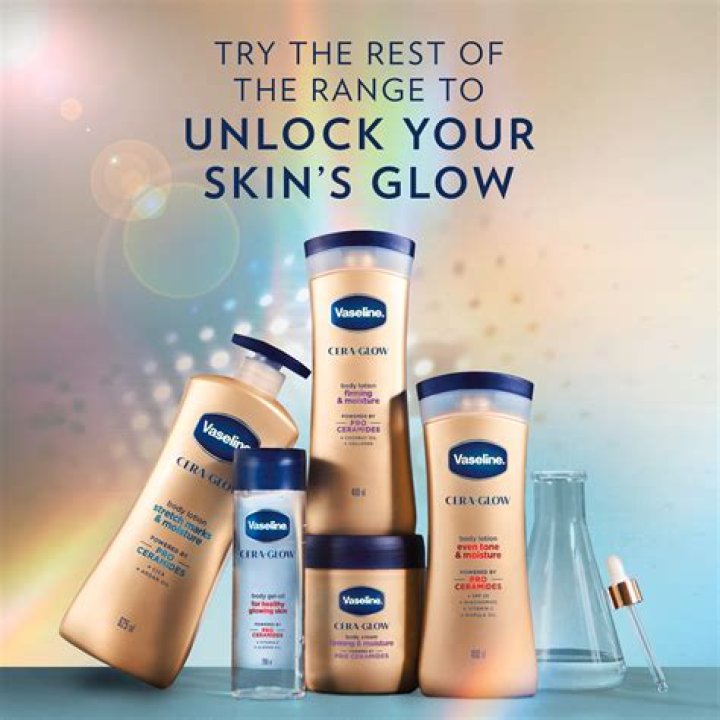
When it comes to skincare and beauty products, understanding the shelf life of lotion is crucial for maintaining your skin's health and ensuring product effectiveness. Many people are unaware of how long lotions last and the factors that influence their longevity. This article will delve into everything you need to know about the shelf life of lotion, from its definition to practical tips for extending its usability.
Whether you're using a daily moisturizer or a specialized skincare lotion, knowing when to replace it can prevent potential irritation or infections. The shelf life of lotion varies depending on its formulation, preservatives, and storage conditions. By understanding these factors, you can make informed decisions about your skincare routine.
In this guide, we will explore the importance of shelf life, how to identify spoiled lotion, and ways to maximize the longevity of your products. By the end, you'll have a clear understanding of how to ensure your lotions remain effective and safe to use.
What is Shelf Life of Lotion?
The shelf life of lotion refers to the period during which the product remains effective, safe, and usable. During this time, the lotion maintains its intended properties, such as hydration, texture, and fragrance. Once the shelf life expires, the product may lose its potency or develop harmful bacteria, making it unsafe for use.
Most lotions come with a "period after opening" (PAO) symbol, which indicates how long the product can be used after opening. This symbol is usually represented by a jar with an open lid and a number followed by "M," signifying months. For example, "12M" means the lotion can be used for 12 months after opening.
Understanding the shelf life is especially important for sensitive skin types, as expired products can cause irritation, allergies, or even infections.
Factors Affecting the Shelf Life of Lotion
Several factors influence how long a lotion remains effective:
Ingredients
The type of ingredients used in a lotion affects its shelf life. Products with natural ingredients, such as plant oils or extracts, tend to have a shorter lifespan compared to those with synthetic preservatives. Natural ingredients may degrade faster when exposed to heat, light, or air.
Preservatives
Preservatives play a critical role in extending the shelf life of lotions. Common preservatives include parabens, phenoxyethanol, and benzyl alcohol. These compounds inhibit the growth of bacteria and mold, ensuring the product remains safe for use over time.
Storage Conditions
How you store your lotion can significantly impact its longevity. Exposure to sunlight, heat, and moisture can accelerate the degradation of the product. Always store lotions in a cool, dry place away from direct sunlight.
How Long Does Lotion Last?
The shelf life of lotion varies depending on its formulation and usage. On average:
- Commercial lotions with preservatives: 6 months to 2 years after opening
- Natural or homemade lotions: 3 to 6 months
- Unopened lotions: Up to the expiration date printed on the packaging
It's essential to check the PAO symbol or expiration date on the product packaging to determine its usable lifespan.
Signs Your Lotion Has Spoiled
Identifying spoiled lotion is crucial to avoid potential skin issues. Here are some common signs:
- Change in Color: If the lotion's color has darkened or become discolored, it may be spoiled.
- Unusual Odor: A sour or rancid smell indicates bacterial growth or ingredient degradation.
- Texture Changes: Lotion that has separated, become grainy, or developed clumps is no longer safe to use.
- Irritation: If the lotion causes redness, itching, or irritation, it may have gone bad.
Always trust your senses and err on the side of caution if you notice any of these signs.
Tips for Storing Lotion Properly
Proper storage can help maximize the shelf life of your lotion. Follow these tips:
- Store lotions in a cool, dry place, such as a bathroom cabinet or bedroom drawer.
- Avoid exposing the product to direct sunlight or high temperatures.
- Close the container tightly after each use to prevent air exposure.
- Consider transferring the lotion to an airtight container if the original packaging is damaged.
By following these guidelines, you can ensure your lotion remains effective for its entire shelf life.
Ways to Extend the Lifespan of Lotion
Beyond proper storage, there are additional steps you can take to extend the usability of your lotion:
Use Clean Hands
Always wash your hands before applying lotion to prevent introducing bacteria into the product.
Refrigerate Natural Lotions
If you use natural or homemade lotions, consider storing them in the refrigerator to slow down ingredient degradation.
Avoid Sharing
Sharing lotions with others can introduce contaminants, reducing the product's shelf life.
Implementing these practices can help preserve the quality of your lotion for a longer period.
Natural vs. Commercial Lotions: Shelf Life Differences
Natural and commercial lotions differ significantly in terms of shelf life:
Natural Lotions
These products often lack synthetic preservatives, making them more prone to spoilage. They typically last 3 to 6 months after opening and require refrigeration to extend their lifespan.
Commercial Lotions
Commercial lotions contain preservatives that enhance their shelf life, allowing them to remain effective for up to 2 years after opening. However, it's still important to follow proper storage guidelines.
Choose the type of lotion that best suits your skincare needs and lifestyle.
Common Mistakes to Avoid
Here are some common mistakes people make when using lotions:
- Leaving the container open for extended periods
- Storing lotions in humid environments
- Using expired products
- Not checking for signs of spoilage
Avoiding these mistakes can help you get the most out of your skincare products.
Frequently Asked Questions About Shelf Life
Q: Can I use lotion after the expiration date?
It's not recommended to use lotion after the expiration date or beyond the PAO period, as it may have lost its effectiveness and could pose health risks.
Q: How can I tell if my lotion is still good?
Check for changes in color, smell, texture, or any signs of irritation after application.
Q: Do natural lotions have a shorter shelf life?
Yes, natural lotions typically have a shorter shelf life due to the absence of synthetic preservatives.
These FAQs address common concerns and provide clarity on shelf life-related topics.
Conclusion
Understanding the shelf life of lotion is essential for maintaining healthy skin and ensuring product safety. By recognizing the factors that influence shelf life, identifying spoiled lotion, and following proper storage practices, you can maximize the usability of your skincare products.
We encourage you to share this article with friends and family who may benefit from this information. Leave a comment below if you have any questions or additional tips to share. Don't forget to explore our other articles for more skincare insights!
Data Sources:
- U.S. Food and Drug Administration (FDA)
- Skincare Science Journal
- World Health Organization (WHO)




