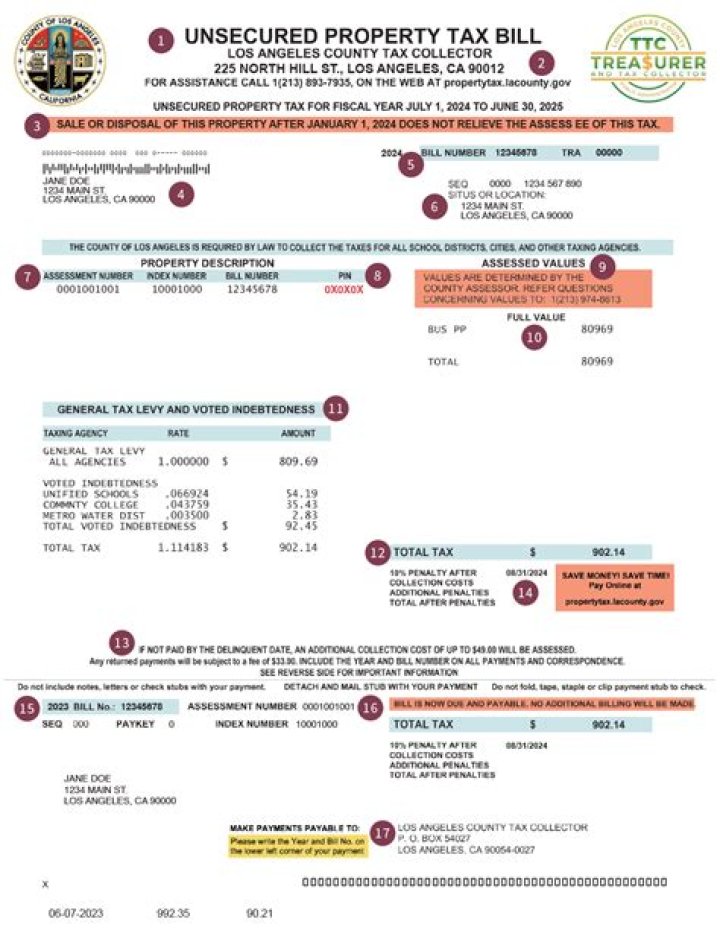
Property taxes in Los Angeles are a critical aspect of homeownership that every resident should understand thoroughly. Whether you're a first-time homeowner, an investor, or someone looking to buy property, knowing how property taxes work is essential for financial planning. This guide will walk you through everything you need to know about property taxes in Los Angeles, from how they are calculated to the available exemptions and deductions.
Property taxes are a significant source of revenue for local governments, funding essential services such as public schools, infrastructure, and emergency services. In Los Angeles, the property tax system is governed by state laws and local regulations, which can sometimes make it complex for property owners to navigate.
This article aims to provide a detailed overview of property taxes in Los Angeles, ensuring you have all the information you need to make informed decisions. We'll explore the calculation process, key factors affecting property taxes, and ways to potentially reduce your tax burden. Let's dive in.
Introduction to Property Taxes in Los Angeles
Understanding the Basics
Property taxes in Los Angeles are levied on real estate properties based on their assessed value. The tax rate is determined by the local government and is used to fund various public services. Understanding the basics of how these taxes are assessed and collected is crucial for homeowners and investors alike.
In California, property taxes are governed by Proposition 13, which limits the tax rate to 1% of the property's assessed value. However, additional assessments and fees can increase the total tax burden. Property owners in Los Angeles should familiarize themselves with these additional costs to avoid surprises.
Key Players in Property Tax Assessment
The Los Angeles County Assessor's Office is responsible for assessing property values, while the County Tax Collector handles the collection of taxes. Homeowners receive an annual tax bill that outlines the assessed value of their property and the total tax amount due.
How Property Taxes Are Calculated
Assessed Value and Tax Rate
The calculation of property taxes begins with determining the assessed value of a property. In Los Angeles, the assessed value is typically based on the purchase price of the property, adjusted annually by a maximum of 2%. The tax rate, which is set at 1% by law, is then applied to this assessed value to determine the base tax amount.
For example, if a property has an assessed value of $500,000, the base property tax would be $5,000 (1% of $500,000). However, additional assessments and fees, such as school bonds and special districts, can increase the total tax bill.
Factors Affecting Property Taxes
Market Value vs. Assessed Value
While the market value of a property can fluctuate significantly, the assessed value is more stable due to Proposition 13's limitations on annual increases. However, certain factors, such as renovations or major improvements, can lead to a reassessment and an increase in the assessed value.
Location and Property Type
The location and type of property also play a significant role in determining property taxes. Properties in prime locations or those with unique features may have higher assessed values, resulting in higher tax bills. Additionally, commercial properties are often assessed differently than residential properties.
Exemptions and Deductions Available
Homeowner's Exemption
One of the most common exemptions available to homeowners in Los Angeles is the Homeowner's Exemption. This exemption reduces the assessed value of a primary residence by $7,000, effectively lowering the property tax bill. To qualify, the property must be owner-occupied, and the homeowner must file an application with the County Assessor's Office.
Senior Citizen and Disability Exemptions
Seniors and individuals with disabilities may qualify for additional exemptions or reductions in property taxes. These programs are designed to help those with limited income maintain their homes without being burdened by excessive tax payments.
Appealing Your Property Tax Assessment
Reasons for Appealing
If you believe your property has been over-assessed, you have the right to appeal the assessment. Common reasons for appealing include incorrect property details, inaccurate market comparisons, or a significant drop in property value due to market conditions.
Steps to File an Appeal
To file an appeal, you must submit a formal request to the Los Angeles County Assessment Appeals Board. The process involves gathering evidence to support your claim, such as recent sales of comparable properties or an independent appraisal. The board will review your case and make a determination based on the evidence presented.
A Brief History of Property Taxes in Los Angeles
Property taxes in Los Angeles have evolved significantly over the years. Before Proposition 13 was enacted in 1978, property taxes were based on the market value of properties, leading to rapid increases during periods of high inflation. Proposition 13 introduced a system of limited annual increases and a cap on tax rates, providing more stability for property owners.
Since then, additional measures have been implemented to address specific needs, such as school funding and infrastructure improvements. These measures are often reflected in the form of additional assessments added to property tax bills.
The Impact of Property Taxes on Homeowners
Property taxes can have a significant impact on homeowners' budgets, especially for those on fixed incomes or with limited financial resources. Understanding the implications of property taxes is essential for planning and managing personal finances effectively.
For many homeowners, property taxes are one of the largest recurring expenses associated with owning a home. Proper planning and awareness of available exemptions and deductions can help mitigate this financial burden.
Tips for Managing Property Taxes
Stay Informed
Regularly review your property tax bill to ensure accuracy and stay informed about changes in tax rates or assessments. Subscribe to notifications from the County Assessor's Office to receive updates on your property's assessed value.
Consider Refinancing
Refinancing your mortgage can sometimes lower your monthly payments, freeing up funds to cover property tax expenses. Additionally, some lenders offer escrow accounts that automatically set aside money for property taxes, simplifying the payment process.
The Future of Property Taxes in Los Angeles
As Los Angeles continues to grow and develop, the landscape of property taxes may evolve. Potential changes in state laws or local regulations could impact how property taxes are assessed and collected. Staying informed and proactive is key to navigating these changes successfully.
Advancements in technology may also streamline the property tax assessment and collection process, making it easier for homeowners to manage their tax obligations. Embracing these advancements can help ensure a smoother experience for property owners.
Conclusion
Property taxes in Los Angeles are a vital component of homeownership, impacting both personal finances and the community as a whole. By understanding how property taxes are calculated, the factors affecting them, and the available exemptions and deductions, you can better manage your tax obligations and plan for the future.
We encourage you to share this article with others who may benefit from the information provided. For more insights into property taxes and other financial topics, explore our other articles on the website. If you have any questions or need further clarification, feel free to leave a comment below or contact us directly.
Data sources: Los Angeles County Assessor's Office, Proposition 13 Information, California Department of Tax and Fee Administration.



