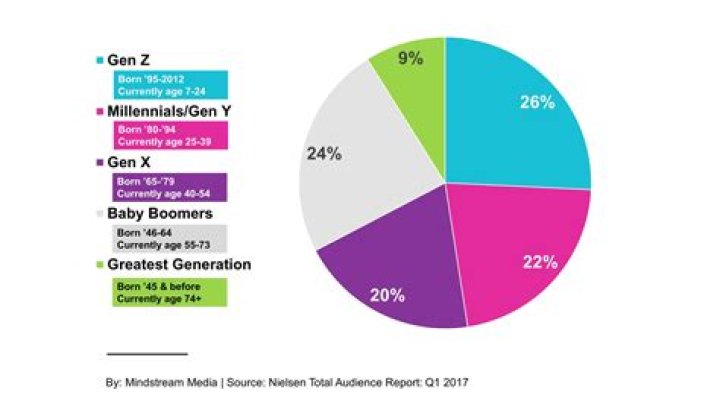
Millennials and Gen Z age range is a topic of growing importance as these generations shape the modern world. They bring unique perspectives, values, and behaviors that influence everything from workplace dynamics to consumer trends. Understanding their characteristics and age ranges is essential for businesses, marketers, and individuals alike.
As we delve deeper into this topic, we will explore the defining traits of millennials and Gen Z, how they differ, and why their age ranges matter. By the end of this article, you will gain a clear understanding of the generational landscape and how it impacts various aspects of life.
This guide aims to provide actionable insights that are backed by research and statistics, ensuring you have a well-rounded perspective on millennials and Gen Z. Let's get started!
Defining Generations: Millennials and Gen Z
Generational labels help us categorize groups of people based on shared experiences, cultural influences, and historical events. Millennials and Gen Z are two distinct generations with overlapping but unique characteristics.
Millennials, also known as Generation Y, were born between 1981 and 1996, while Gen Z, also referred to as Zoomers, were born between 1997 and 2012. These age ranges are defined by the Pew Research Center, a trusted source for demographic studies.
Understanding the generational divide is crucial because it affects how individuals interact with technology, approach work, and make purchasing decisions.
Why Generational Labels Matter
- Generational labels provide a framework for analyzing societal changes.
- They help businesses tailor marketing strategies to specific age groups.
- Understanding generational differences fosters better communication and collaboration in the workplace.
Millennials and Gen Z Age Range
The age range for millennials and Gen Z is a critical factor in understanding their behavior and preferences. As of 2023, millennials are between the ages of 27 and 42, while Gen Z individuals are aged 11 to 26.
This age gap influences their perspectives on life, career choices, and consumption habits. For example, millennials grew up during the rise of the internet, while Gen Z was born into a fully digital world.
These generational differences have significant implications for businesses, educators, and policymakers who aim to engage with these groups effectively.
Key Characteristics Based on Age Range
- Millennials value work-life balance and professional development.
- Gen Z prioritizes authenticity and social responsibility in brands.
- Both generations are tech-savvy but use technology in different ways.
Demographics of Millennials and Gen Z
Millennials and Gen Z represent a significant portion of the global population. According to the United Nations, these generations account for nearly 50% of the world's population, making them a dominant force in shaping societal norms.
In the United States alone, there are approximately 72 million millennials and 65 million Gen Z individuals. These numbers highlight the importance of understanding their demographics and preferences.
Demographic studies reveal that both generations are more racially and ethnically diverse than previous generations, reflecting a shift towards inclusivity and multiculturalism.
Diversity and Inclusion
- Millennials and Gen Z embrace diversity in all forms, including race, gender, and sexual orientation.
- They advocate for equal rights and social justice, making these issues a priority in their personal and professional lives.
Behavioral Differences Between Millennials and Gen Z
While millennials and Gen Z share some similarities, their behavioral differences are pronounced. These differences stem from the distinct environments in which they grew up and the technologies they were exposed to.
For instance, millennials are often characterized as idealistic and optimistic, having experienced economic growth during their formative years. In contrast, Gen Z tends to be more pragmatic and cautious, shaped by the global financial crisis and ongoing economic uncertainties.
These generational traits influence their approach to education, career choices, and financial decisions.
Key Behavioral Traits
- Millennials value flexibility and collaboration in the workplace.
- Gen Z seeks stability and security in their careers.
- Both generations prioritize mental health and well-being.
Impact on the Workplace
Millennials and Gen Z have transformed the modern workplace with their unique perspectives and demands. Employers must adapt to their needs to attract and retain top talent from these generations.
Flexibility, remote work options, and opportunities for professional growth are among the key factors that appeal to millennials and Gen Z. Additionally, they seek meaningful work that aligns with their values and contributes to the greater good.
Employers who fail to meet these expectations risk losing talent to competitors who offer a more appealing work environment.
Workplace Trends
- Increased adoption of remote and hybrid work models.
- Growing emphasis on diversity, equity, and inclusion initiatives.
- Focus on employee well-being and mental health programs.
Consumer Trends Among Millennials and Gen Z
As two of the largest consumer groups, millennials and Gen Z drive market trends and influence brand strategies. Their purchasing decisions are guided by values such as sustainability, transparency, and social responsibility.
Brands that fail to resonate with these values risk alienating these generations. On the other hand, companies that align with their ideals can build lasting relationships and loyalty.
Technology plays a pivotal role in their shopping experiences, with e-commerce and social media platforms being primary channels for discovery and purchase.
Shopping Preferences
- Millennials prefer brands that offer convenience and personalized experiences.
- Gen Z values authenticity and transparency in brand messaging.
- Both generations are increasingly interested in sustainable and ethical products.
Technology and Social Media Use
Millennials and Gen Z are digital natives who rely heavily on technology for communication, entertainment, and information. However, their usage patterns differ based on their age ranges and preferences.
Millennials are more likely to use platforms like Facebook and Instagram, while Gen Z gravitates towards TikTok and Snapchat. These differences reflect their distinct social media habits and content consumption preferences.
Understanding these patterns is crucial for marketers and content creators who aim to engage with these audiences effectively.
Social Media Platforms
- Millennials dominate professional networking sites like LinkedIn.
- Gen Z prefers visual and interactive platforms like TikTok and Instagram Reels.
- Both generations use social media for news, entertainment, and shopping.
Psychological Characteristics
The psychological characteristics of millennials and Gen Z are shaped by their upbringing, societal influences, and technological advancements. These factors contribute to their worldviews and behavioral patterns.
Research indicates that both generations prioritize mental health and well-being, often seeking support through digital platforms and therapy apps. They are also more open about discussing mental health issues compared to previous generations.
These psychological traits influence how they approach work, relationships, and personal development.
Mental Health Awareness
- Millennials and Gen Z advocate for mental health awareness and destigmatization.
- They use technology to access mental health resources and support networks.
- Employers are increasingly recognizing the importance of mental health in the workplace.
Economic Contributions
Millennials and Gen Z play a vital role in the global economy as both consumers and workers. Their spending power and workforce participation significantly impact various industries.
According to a report by McKinsey, millennials and Gen Z account for approximately $600 billion in annual spending in the United States alone. This underscores their importance as a target market for businesses.
Moreover, their entrepreneurial spirit and innovation drive economic growth through startups and tech ventures.
Economic Trends
- Increased adoption of digital payment systems and fintech solutions.
- Growing interest in sustainable investing and ethical finance.
- Rise of the gig economy and freelance work among younger generations.
Future Predictions for Millennials and Gen Z
As millennials and Gen Z continue to shape the world, their influence will only grow stronger. Future predictions suggest that they will drive innovation in technology, healthcare, and environmental sustainability.
Moreover, their commitment to social justice and equality will likely lead to significant policy changes and societal transformations. Businesses and governments must adapt to their values and expectations to remain relevant in the coming decades.
Understanding their age ranges and characteristics is the first step in preparing for a future shaped by millennials and Gen Z.
Looking Ahead
- Increased focus on climate change and sustainability initiatives.
- Growing emphasis on digital literacy and tech education.
- Continued advocacy for social justice and equality.
Kesimpulan
In conclusion, understanding the millennials and Gen Z age range is essential for navigating the modern world. These generations bring unique perspectives and values that influence various aspects of life, from workplace dynamics to consumer trends.
By recognizing their differences and shared traits, businesses, educators, and policymakers can effectively engage with millennials and Gen Z. Their impact on the economy, technology, and society will continue to shape the future in profound ways.
We encourage you to share your thoughts and experiences in the comments below. Additionally, explore our other articles for more insights into generational trends and their implications. Together, let's build a better future for all!




