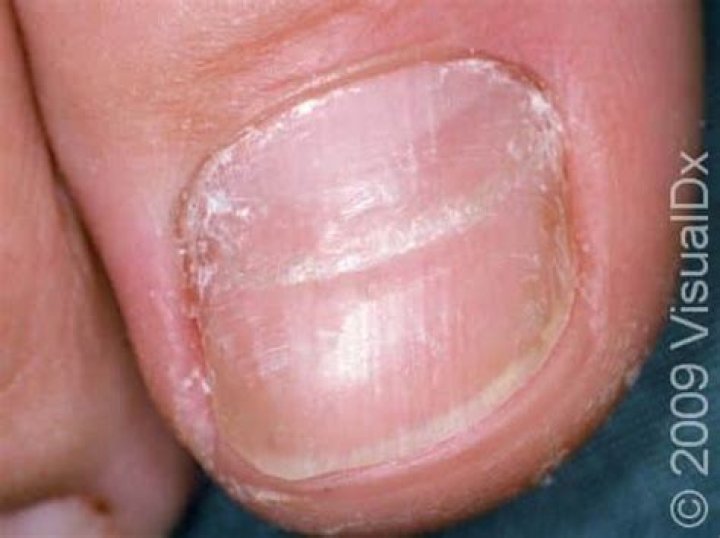
Horizontal nail lines, also known as Beau's lines, are a fascinating and often misunderstood phenomenon that can indicate underlying health issues. These lines typically appear as grooved ridges running across the nails and can affect both fingernails and toenails. Understanding their causes, symptoms, and treatment options is essential for maintaining nail health and overall well-being.
Many people overlook the significance of horizontal nail lines, dismissing them as mere cosmetic concerns. However, these lines can serve as important indicators of various medical conditions. By learning more about them, you can better recognize potential health issues and take proactive steps to address them.
This comprehensive guide will explore the causes, symptoms, and treatment options for horizontal nail lines. We'll also delve into related topics such as nail health, prevention strategies, and when to seek medical attention. Whether you're concerned about your own nails or simply curious about this condition, this article will provide valuable insights and practical advice.
What Are Horizontal Nail Lines?
Definition and Overview
Horizontal nail lines, scientifically referred to as Beau's lines, are transverse grooves or indentations that appear on the surface of the nails. These lines are not just aesthetic imperfections but can indicate underlying health issues. They typically develop due to temporary disruptions in nail matrix activity, which is responsible for nail growth.
Beau's lines are distinct from other nail conditions such as vertical ridges or nail pitting. They are usually symmetrical, appearing on multiple nails at the same time, and can provide valuable clues about a person's health history. Understanding their formation is crucial for identifying potential medical concerns.
Causes of Horizontal Nail Lines
Primary Triggers
The development of horizontal nail lines can be attributed to various factors, ranging from systemic illnesses to external injuries. Below are some of the most common causes:
- Severe Illness: Conditions like pneumonia, diabetes, or heart disease can disrupt nail growth.
- Infections: Bacterial or fungal infections may lead to the formation of Beau's lines.
- Trauma: Physical injury to the nail bed or matrix can cause temporary growth interruptions.
- Chemotherapy: Cancer treatment often affects nail growth, resulting in horizontal lines.
- Nutritional Deficiencies: Lack of essential vitamins and minerals, such as zinc or biotin, can contribute to this condition.
Research published in the Journal of Dermatology highlights the correlation between systemic diseases and the appearance of Beau's lines. It emphasizes the importance of addressing underlying health issues to prevent further nail damage.
Symptoms and Identification
Recognizing the Signs
Identifying horizontal nail lines involves observing specific characteristics:
- Transverse Grooves: These lines run parallel to the nail bed and are visible on the surface.
- Symmetrical Appearance: The lines often appear on multiple nails simultaneously.
- Color Changes: In some cases, the affected nails may exhibit discoloration or changes in texture.
A study conducted by the American Academy of Dermatology notes that early detection of these symptoms can aid in diagnosing underlying medical conditions. Regular nail inspections can help identify potential issues before they escalate.
Impact on Health
Potential Health Concerns
Horizontal nail lines can be indicative of serious health conditions, including:
- Metabolic Disorders: Conditions such as diabetes or thyroid dysfunction may manifest through nail changes.
- Infections: Bacterial or viral infections can disrupt nail growth and cause Beau's lines.
- Autoimmune Diseases: Disorders like psoriasis or lupus may contribute to the development of these lines.
According to the Mayo Clinic, monitoring nail health can provide valuable insights into overall well-being. Early intervention can prevent complications and improve quality of life.
Diagnosis and Testing
Medical Evaluation
Diagnosing the cause of horizontal nail lines involves a thorough medical evaluation:
- Physical Examination: A dermatologist or healthcare provider will assess the nails and surrounding areas.
- Medical History: Reviewing past illnesses, injuries, or treatments can help identify potential triggers.
- Laboratory Tests: Blood tests or imaging studies may be necessary to rule out systemic conditions.
The British Journal of Dermatology emphasizes the importance of a multidisciplinary approach in diagnosing nail disorders. Collaboration between healthcare professionals ensures accurate diagnosis and effective treatment.
Treatment Options
Addressing Underlying Causes
Treatment for horizontal nail lines focuses on addressing the root cause:
- Medical Intervention: Treating underlying conditions such as infections or metabolic disorders.
- Nutritional Supplementation: Correcting deficiencies with vitamins and minerals like biotin or zinc.
- Topical Treatments: Applying moisturizers or protective coatings to improve nail health.
Research published in the Journal of Clinical and Aesthetic Dermatology suggests that combining medical treatment with lifestyle changes can significantly improve nail appearance and overall health.
Prevention Strategies
Protecting Nail Health
Preventing horizontal nail lines involves adopting healthy habits:
- Proper Nutrition: Consuming a balanced diet rich in vitamins and minerals.
- Regular Check-ups: Monitoring overall health through routine medical evaluations.
- Nail Care: Protecting nails from trauma and exposure to harsh chemicals.
The World Health Organization recommends incorporating preventive measures into daily routines to maintain optimal health and prevent nail-related issues.
Nutrition and Nail Health
Essential Nutrients
Adequate nutrition plays a vital role in maintaining healthy nails:
- Biotin: Known for promoting nail strength and growth.
- Zinc: Essential for repairing damaged tissues and supporting immune function.
- Vitamin C: Important for collagen production and overall skin and nail health.
Studies published in Nutrition Reviews highlight the correlation between nutrient intake and nail health. Ensuring sufficient consumption of these nutrients can prevent nail disorders and improve overall well-being.
Common Myths About Horizontal Nail Lines
Separating Fact from Fiction
There are several misconceptions surrounding horizontal nail lines:
- Myth: Horizontal lines are always a sign of cancer. Fact: While cancer treatment can cause Beau's lines, they are not exclusive to cancer.
- Myth: These lines are purely cosmetic. Fact: They often indicate underlying health issues that require medical attention.
- Myth: Nail polish can prevent horizontal lines. Fact: While nail polish can protect against minor damage, it cannot address the root causes of Beau's lines.
Dispelling these myths is crucial for promoting accurate information and encouraging proactive healthcare.
Conclusion and Call to Action
Horizontal nail lines, or Beau's lines, are more than just cosmetic concerns; they can serve as valuable indicators of underlying health issues. By understanding their causes, symptoms, and treatment options, you can take proactive steps to address potential medical conditions and maintain optimal nail health.
We encourage you to share this article with friends and family to spread awareness about the importance of nail health. If you have any questions or insights, feel free to leave a comment below. Additionally, explore our other articles for more valuable information on health and wellness topics.
Remember, your nails can speak volumes about your overall health. Pay attention to any changes and seek medical advice when necessary. Together, we can promote healthier nails and a better quality of life.



