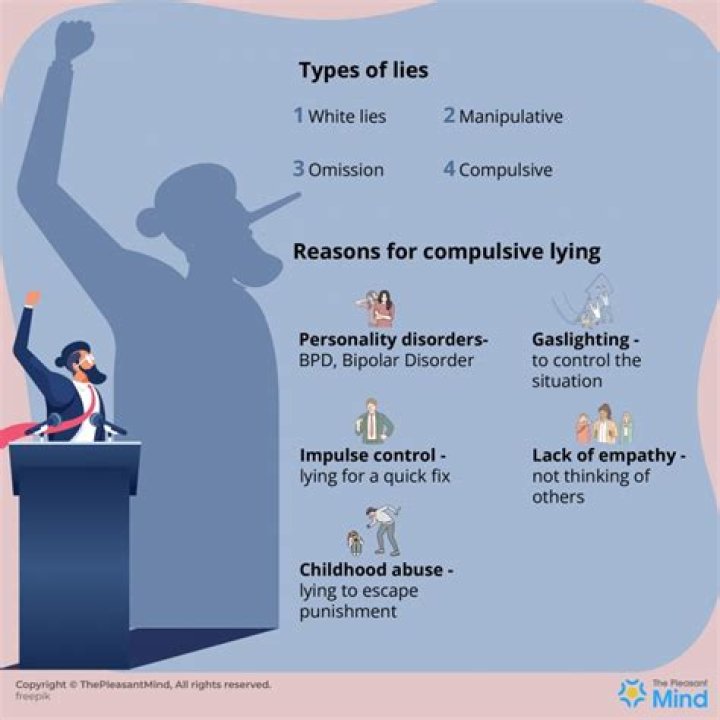
Compulsive lying is a complex psychological issue that affects individuals and their relationships in profound ways. It refers to the habitual tendency of a person to lie frequently, even when there is no clear benefit or need to do so. This behavior can be perplexing and distressing for both the liar and those around them. If you or someone you know struggles with compulsive lying, it's essential to understand its roots and seek solutions.
Compulsive lying often stems from deeper psychological or emotional challenges. It is not merely about telling untruths but reflects underlying issues such as low self-esteem, trauma, or anxiety. Recognizing the signs and addressing the problem is crucial for personal growth and maintaining healthy relationships.
This article delves into the causes, effects, and potential treatments for compulsive lying. By the end, you'll have a comprehensive understanding of this condition and actionable steps to help manage it. Let's explore the topic further.
What is Compulsive Lying?
Compulsive lying, also known as pathological lying, is a condition where an individual frequently tells lies without any apparent motive or benefit. Unlike occasional dishonesty, compulsive lying is a persistent behavior that becomes a part of the person's communication style. This behavior can manifest in various forms, from harmless exaggerations to serious fabrications that impact daily life.
Understanding the Nature of Lies
Not all lies are created equal. Compulsive lying differs from typical lying in that it is not necessarily driven by external pressures or immediate gain. Instead, it stems from internal emotional or psychological factors. For instance, someone might lie out of habit or to avoid confronting uncomfortable truths about themselves or their situation.
According to research published in the Journal of Psychiatric Practice, compulsive lying can be a symptom of deeper psychological issues, such as anxiety or personality disorders. Understanding the nature of these lies is crucial in addressing the problem effectively.
Causes of Compulsive Lying
The causes of compulsive lying are multifaceted and often rooted in early life experiences. These factors can include environmental influences, psychological conditions, and neurological differences. Below are some of the primary causes:
Childhood Trauma
- Experiencing neglect or abuse during childhood can lead to compulsive lying as a coping mechanism.
- Children who grow up in environments where honesty is punished may learn to lie as a way to protect themselves.
Low Self-Esteem
- Individuals with low self-esteem may lie to appear more competent or likable to others.
- Fabricating achievements or qualities can temporarily boost confidence but ultimately worsen self-perception.
Signs of Compulsive Lying
Identifying compulsive lying can be challenging, especially if the behavior has become ingrained. However, there are several signs that can help you recognize this pattern:
- Frequent inconsistencies in stories or explanations.
- Telling lies even when the truth would have no negative consequences.
- Exaggerating minor details to an unreasonable extent.
Behavioral Patterns
Compulsive liars often exhibit specific behavioral patterns, such as avoiding direct questions or becoming defensive when confronted. These behaviors can serve as red flags for those close to them.
Effects on Relationships
Compulsive lying can severely damage personal and professional relationships. Trust is the foundation of any relationship, and when lies become a recurring issue, it undermines that trust. Over time, this can lead to:
- Strained friendships and family dynamics.
- Workplace conflicts and reduced credibility.
- Emotional distress for both the liar and their loved ones.
Rebuilding Trust
Rebuilding trust after compulsive lying requires effort and transparency. Open communication, accountability, and seeking professional guidance can help mend damaged relationships.
Mental Health Implications
Compulsive lying is often linked to various mental health conditions, including:
- Personality disorders, such as borderline personality disorder.
- Anxiety and depression.
- Attention-deficit/hyperactivity disorder (ADHD).
Addressing these underlying conditions through therapy or counseling can significantly reduce the frequency and severity of compulsive lying.
Neurological Factors
Research suggests that neurological differences, such as reduced activity in the prefrontal cortex, may contribute to compulsive lying. These findings highlight the importance of a holistic approach to treatment.
How to Address Compulsive Lying
Addressing compulsive lying requires a combination of self-awareness, support, and professional intervention. Here are some strategies that can help:
- Encourage open communication and honesty in daily interactions.
- Identify triggers that lead to lying and work on addressing them.
- Practice mindfulness and self-reflection to increase awareness of lying tendencies.
Developing Accountability
Creating accountability structures, such as journaling or sharing progress with a trusted friend, can reinforce positive behavior changes. Consistency is key in breaking the cycle of compulsive lying.
Professional Help
In some cases, professional intervention is necessary to address compulsive lying effectively. Therapists and counselors can provide tools and techniques to help individuals overcome this behavior. Cognitive-behavioral therapy (CBT) and dialectical behavior therapy (DBT) are particularly effective in treating compulsive lying.
Choosing the Right Therapist
When seeking professional help, it's important to find a therapist who specializes in treating compulsive lying and related conditions. They can tailor a treatment plan to meet the individual's specific needs.
Frequently Asked Questions
What is the difference between compulsive lying and occasional lying?
Compulsive lying involves habitual and frequent dishonesty, whereas occasional lying occurs sporadically and is often situational. Compulsive lying is more deeply rooted in psychological factors.
Can compulsive lying be treated?
Yes, compulsive lying can be treated with therapy, counseling, and self-awareness. Addressing underlying mental health issues is crucial for long-term success.
Conclusion
Compulsive lying is a complex issue that affects individuals and their relationships in profound ways. By understanding its causes, recognizing the signs, and seeking appropriate treatment, it is possible to overcome this behavior and improve overall well-being. If you or someone you know struggles with compulsive lying, remember that help is available and recovery is possible.
We encourage you to share your thoughts and experiences in the comments section below. Additionally, feel free to explore other articles on our site for more insights into mental health and personal development.
References
- King, B. H., & Ford, C. V. (1988). "Pseudologia fantastica." Acta Psychiatrica Scandinavica, 77(1), 1-6.
- Healy, M. (2004). "Pathological lying revisited." Journal of Psychiatric Practice, 10(2), 119-123.
- Mayo Clinic. (2021). "Personality disorders." Retrieved from https://www.mayoclinic.org/diseases-conditions/personality-disorders/symptoms-causes/syc-20354463




