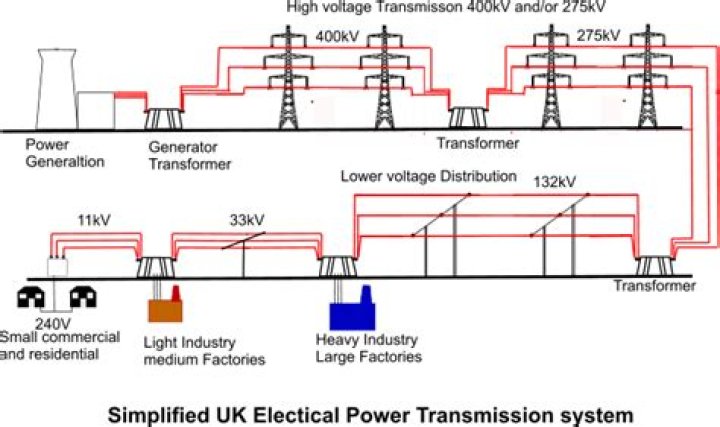
When traveling to Britain, understanding the electricity system is crucial to ensure your devices function properly and safely. Britain voltage operates at 230 volts with a frequency of 50 Hz. This guide will provide everything you need to know about Britain's electricity system, voltage converters, adapters, and safety tips.
Electricity is an essential part of our daily lives, and differences in voltage and plug types can create challenges when moving or traveling to a new country. Whether you're a traveler visiting Britain for the first time or an expat planning to live there, knowing how the electrical system works is important to avoid potential damage to your electronics or safety hazards.
In this article, we'll delve into Britain voltage, plug types, and other essential details about electricity in the UK. We'll also discuss how to use your devices safely and efficiently while in Britain, ensuring a smooth experience with your electronics.
Overview of Britain Voltage
Britain voltage operates at 230 volts, which is higher than the voltage used in countries such as the United States, where the standard is 110-120 volts. This difference in voltage can affect how your devices function when you plug them into outlets in Britain. If you're coming from a country with a lower voltage system, using your electronics without a voltage converter could result in damage or even pose safety risks.
Why Britain Voltage is 230V
The decision to standardize Britain voltage at 230 volts stems from historical and practical considerations. The European Union harmonized its voltage standards to 230 volts in the early 2000s, and Britain adopted this standard as part of its integration into the EU. This standardization ensures compatibility across Europe and allows for more efficient power distribution.
Devices Compatible with Britain Voltage
Not all devices are affected by voltage differences. Many modern electronics, such as laptops, smartphones, and tablets, come with power adapters that are dual-voltage, meaning they can handle both 110V and 230V systems. However, older appliances like hairdryers, irons, and kitchen appliances may require a voltage converter to function properly in Britain.
Plug Types in Britain
Another important aspect of Britain's electricity system is the plug type. Britain uses Type G plugs, which have three rectangular pins. These plugs are designed with safety in mind, as they include a fuse in the plug itself to prevent overloading and potential electrical fires.
Key Features of Type G Plugs
- Three rectangular pins for grounding and safety.
- Includes a built-in fuse (typically 3A or 13A) to protect against overcurrent.
- Designed to fit securely into outlets, reducing the risk of accidental disconnection.
Adapting to Type G Plugs
If your devices use a different plug type, you'll need a plug adapter to connect them to Britain's Type G outlets. It's important to note that an adapter only changes the shape of the plug and does not convert voltage. If your device requires a different voltage, you'll need a voltage converter in addition to the adapter.
Do You Need a Converter or Adapter?
Understanding whether you need a converter or an adapter is essential for using your electronics safely in Britain. Here's a breakdown of the differences:
What is a Voltage Converter?
A voltage converter changes the voltage from 230V to 110V or vice versa. If your device is not dual-voltage and is designed for a lower voltage system, you'll need a converter to prevent damage. Voltage converters come in different types, such as step-down converters (230V to 110V) and step-up converters (110V to 230V).
What is a Plug Adapter?
A plug adapter allows you to connect your device to a different type of outlet. In Britain, you'll need a Type G adapter if your device uses a different plug type. However, an adapter does not change the voltage, so it's only useful if your device is already compatible with Britain voltage.
Safety Tips for Using Electricity in Britain
Using electricity safely is crucial, especially when traveling to a country with a different voltage system. Here are some safety tips to keep in mind:
- Always check the voltage compatibility of your devices before plugging them in.
- Use a voltage converter if your device is not dual-voltage.
- Ensure your plug adapter is properly grounded to prevent electrical shocks.
- Avoid overloading outlets, as this can cause overheating and potential fires.
- Keep electrical devices away from water to prevent short circuits and accidents.
Understanding Britain Electricity Frequency
In addition to voltage differences, it's important to consider the frequency of electricity in Britain. The standard frequency in Britain is 50 Hz, which is lower than the 60 Hz used in countries like the United States. While most modern electronics are designed to handle both frequencies, some older appliances may experience performance issues or overheating when used in a 50 Hz system.
Devices Affected by Frequency Differences
Appliances that rely on motors, such as clocks, fans, and older audio equipment, may be affected by frequency differences. These devices may run slower or faster than intended, which can affect their performance and longevity. If you plan to use such appliances in Britain, it's best to consult the manufacturer's guidelines or invest in a frequency converter.
A Traveler's Guide to Electricity in Britain
For travelers visiting Britain, here's a practical guide to navigating the country's electricity system:
What to Bring
- A Type G plug adapter for your devices.
- A voltage converter if your devices are not dual-voltage.
- A universal travel adapter with built-in converters for convenience.
Where to Buy Adapters and Converters
You can purchase adapters and converters at electronics stores, travel shops, or online retailers. It's recommended to buy these items before your trip to ensure compatibility and avoid last-minute stress. Popular brands like Belkin, Kensington, and TravelAdaptor offer high-quality products specifically designed for international travel.
Common Mistakes When Using Electricity in Britain
Even with the best intentions, travelers sometimes make mistakes when using electricity in a foreign country. Here are some common errors to avoid:
- Plugging in non-dual-voltage devices without a converter, leading to damage or safety hazards.
- Using low-quality adapters or converters that may not meet safety standards.
- Overloading outlets with too many devices, increasing the risk of overheating.
- Ignoring grounding requirements, which can result in electrical shocks.
The Cost of Electricity in Britain
Electricity costs in Britain vary depending on factors such as location, provider, and usage. As of 2023, the average cost of electricity in Britain is approximately £0.30 per kilowatt-hour (kWh). However, prices can fluctuate due to market conditions, government policies, and renewable energy initiatives.
Tips for Reducing Electricity Costs
- Switch to energy-efficient appliances and LED lighting to reduce consumption.
- Compare electricity providers to find the best rates and deals.
- Use smart meters to monitor and manage your energy usage effectively.
- Take advantage of off-peak tariffs if available in your area.
The Future of Electricity in Britain
Britain is committed to transitioning to a more sustainable and renewable energy system. The country has set ambitious targets to achieve net-zero carbon emissions by 2050, with a focus on expanding wind, solar, and nuclear energy sources. This shift will not only reduce environmental impact but also enhance energy security and affordability for consumers.
Renewable Energy Initiatives in Britain
Some of the key initiatives include:
- Investing in offshore wind farms to harness the country's abundant wind resources.
- Expanding solar energy capacity through government incentives and private investments.
- Developing nuclear power plants to provide a stable and low-carbon energy source.
Conclusion
Understanding Britain voltage and the country's electricity system is essential for travelers and expats alike. By knowing the differences in voltage, plug types, and safety considerations, you can ensure your devices function properly and safely while in Britain. Remember to bring the necessary adapters and converters, and always prioritize safety when using electricity in a foreign country.
We encourage you to leave a comment below if you have any questions or additional tips about using electricity in Britain. Feel free to share this article with fellow travelers or expats who may find it helpful. For more information on travel and lifestyle topics, explore our other articles on the website.




