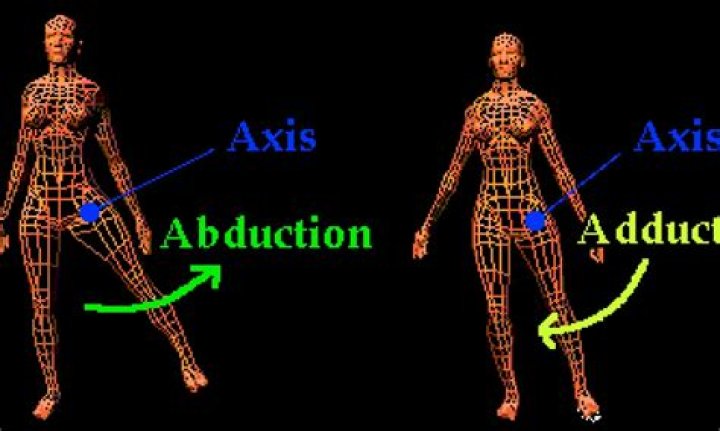
Abduction and adduction are fundamental movements in the human body that play a critical role in biomechanics and physical health. These terms describe specific types of joint motions that are essential for daily activities, sports, and overall mobility. Understanding these concepts is crucial for anyone interested in anatomy, fitness, or rehabilitation.
Whether you're a student studying kinesiology, a fitness enthusiast, or someone recovering from an injury, knowing how abduction and adduction work can enhance your understanding of body mechanics. In this article, we will explore these movements in depth, providing you with valuable insights into their functions and significance.
Our goal is to offer a clear and comprehensive explanation of abduction and adduction, ensuring that you leave with a better grasp of how these movements impact your daily life. Let's dive in!
What is Abduction?
Abduction refers to the movement of a body part away from the midline of the body. This motion is observed in various joints, such as the shoulder, hip, and fingers. It plays a vital role in expanding the range of motion and enabling activities like raising your arms to the side or spreading your fingers apart.
In anatomical terms, abduction is one of the six cardinal movements of the body. When you abduct a limb, you increase the distance between the body part and the midline. For example, raising your arm laterally is a classic example of shoulder abduction.
According to a study published in the Journal of Biomechanics, abduction movements are essential for maintaining balance and stability during dynamic activities. This highlights the importance of understanding and training these movements to enhance physical performance.
Key Characteristics of Abduction
- Occurs in the coronal plane.
- Involves moving a body part away from the midline.
- Common in joints like the shoulder, hip, and fingers.
What is Adduction?
Adduction is the opposite of abduction and involves moving a body part toward the midline of the body. This movement is equally important for reducing the distance between the body part and the midline. For instance, bringing your arm back to your side after raising it laterally is an example of adduction.
Like abduction, adduction occurs in the coronal plane and is crucial for maintaining coordination and balance. It is often paired with abduction in many daily activities, such as walking, running, or typing on a keyboard.
Research published in Physical Therapy emphasizes the interdependence of abduction and adduction in ensuring smooth and efficient movement patterns. Both movements work together to create functional synergy in the musculoskeletal system.
Key Characteristics of Adduction
- Occurs in the coronal plane.
- Involves moving a body part toward the midline.
- Complements abduction in creating balanced movement.
Anatomy of Abduction and Adduction
The anatomy of abduction and adduction involves multiple joints and muscles working in harmony. The primary joints involved are the shoulder, hip, and fingers, but the principles apply to other joints as well. Understanding the anatomical structures involved can help in diagnosing and treating related disorders.
At the shoulder joint, the deltoid muscle is primarily responsible for abduction, while the pectoralis major and latissimus dorsi muscles contribute to adduction. Similarly, at the hip joint, the gluteus medius and minimus muscles play a key role in abduction, while the adductor group facilitates adduction.
According to the Gray's Anatomy, the intricate arrangement of muscles and tendons around these joints ensures smooth and controlled movement during abduction and adduction.
Key Muscles Involved
- Shoulder Abduction: Deltoid, Supraspinatus.
- Shoulder Adduction: Pectoralis Major, Latissimus Dorsi.
- Hip Abduction: Gluteus Medius, Gluteus Minimus.
- Hip Adduction: Adductor Longus, Adductor Brevis.
Examples of Abduction and Adduction Movements
Abduction Movements
Abduction movements are evident in various daily activities. Here are some examples:
- Raising your arms to the side (shoulder abduction).
- Moving your legs outward while seated (hip abduction).
- Spreading your fingers apart (finger abduction).
Adduction Movements
Similarly, adduction movements are equally common:
- Bringing your arms back to your sides (shoulder adduction).
- Moving your legs back toward the midline (hip adduction).
- Closing your fingers together (finger adduction).
Importance of Abduction and Adduction in Daily Life
Abduction and adduction are integral to our daily lives, enabling us to perform a wide range of activities. From simple tasks like typing on a keyboard to complex movements like dancing or playing sports, these motions are indispensable.
In sports, abduction and adduction are crucial for maintaining balance and coordination. Athletes often train these movements to enhance performance and prevent injuries. For example, lateral movements in soccer or basketball rely heavily on hip abduction and adduction.
Moreover, these movements are essential for rehabilitation after injuries. Physical therapists frequently incorporate abduction and adduction exercises into recovery programs to restore joint function and strength.
Benefits of Strengthening Abduction and Adduction
- Improved balance and stability.
- Enhanced athletic performance.
- Reduced risk of injuries.
Muscles Involved in Abduction and Adduction
Several muscles contribute to the movements of abduction and adduction. At the shoulder joint, the deltoid muscle is the primary mover for abduction, while the pectoralis major and latissimus dorsi assist in adduction. The rotator cuff muscles also play a supporting role in stabilizing the joint during these movements.
At the hip joint, the gluteus medius and minimus are the main muscles responsible for abduction, while the adductor group, including the adductor longus and brevis, facilitates adduction. These muscles work together to ensure smooth and controlled movement.
According to a study in the Journal of Orthopaedic & Sports Physical Therapy, strengthening these muscles can significantly improve joint stability and reduce the risk of injuries.
Common Disorders Related to Abduction and Adduction
Several disorders can affect the ability to perform abduction and adduction movements. Conditions such as shoulder impingement syndrome, rotator cuff tears, and hip dysplasia can impair joint function and limit mobility.
Shoulder impingement syndrome, for example, occurs when the tendons of the rotator cuff become compressed during abduction, leading to pain and inflammation. Similarly, hip dysplasia can restrict hip abduction and adduction, causing discomfort and limited range of motion.
Treatment for these disorders often involves physical therapy, medication, or surgical intervention, depending on the severity of the condition. Early diagnosis and treatment are crucial for preventing long-term complications.
Preventive Measures
- Regular stretching and strengthening exercises.
- Maintaining proper posture during activities.
- Seeking medical advice for persistent pain or discomfort.
Exercises for Strengthening Abduction and Adduction
Strengthening the muscles involved in abduction and adduction can improve joint function and reduce the risk of injuries. Here are some effective exercises:
- Shoulder Abduction Exercise: Stand with your arms at your sides and slowly raise them to the side until they reach shoulder level. Lower them back down and repeat.
- Hip Abduction Exercise: Lie on your side and lift your top leg as high as possible without rotating your hips. Lower it back down and repeat.
- Shoulder Adduction Exercise: Hold a resistance band with both hands and pull it toward your chest, squeezing your shoulder blades together.
- Hip Adduction Exercise: Lie on your back with your knees bent and feet flat on the floor. Place a small ball between your knees and squeeze it gently.
These exercises can be performed at home or in a gym and are suitable for individuals of all fitness levels. It is recommended to consult a fitness professional or physical therapist before starting any new exercise program.
Preventing Injuries in Abduction and Adduction
Injury prevention is crucial for maintaining joint health and mobility. Here are some tips to help you avoid injuries during abduction and adduction movements:
- Warm up properly before engaging in physical activities.
- Use proper technique and form during exercises.
- Gradually increase the intensity and duration of your workouts.
- Listen to your body and rest when needed.
By following these guidelines, you can minimize the risk of injuries and ensure long-term joint health.
Conclusion
Abduction and adduction are fundamental movements that play a critical role in our daily lives. Understanding these concepts can enhance your knowledge of body mechanics and help you maintain optimal physical health. Whether you're an athlete, a fitness enthusiast, or someone recovering from an injury, incorporating abduction and adduction exercises into your routine can yield significant benefits.
We encourage you to explore the exercises and preventive measures discussed in this article and share your experiences in the comments below. Additionally, feel free to explore other articles on our site for more insights into health and fitness. Together, let's strive for a healthier, more active lifestyle!




