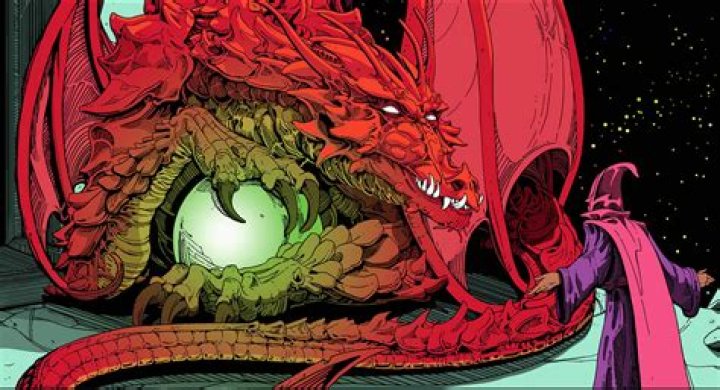
Dungeons & Dragons (D&D) has long been a cornerstone of the tabletop role-playing game (RPG) industry, captivating players worldwide with its rich storytelling and immersive gameplay. However, not every gamer seeks the same experience D&D provides. If you're looking for alternatives to D&D, there are countless RPG systems that offer unique mechanics, settings, and gameplay styles. Whether you're a seasoned gamer or a newcomer to the world of tabletop RPGs, this article will guide you through the best D&D alternatives available today.
Tabletop RPGs have evolved significantly over the years, catering to a wide variety of tastes and preferences. From intricate rule systems to more narrative-driven experiences, the options are endless. If you're tired of rolling dice in the Forgotten Realms or want to explore new worlds, you'll find plenty of alternatives that can provide just as much excitement and creativity as D&D.
In this article, we'll explore various D&D alternatives, their features, and what makes them stand out. By the end of this guide, you'll have a comprehensive understanding of the best RPG systems to try if you're ready to venture beyond Dungeons & Dragons. So, grab your dice and let's dive into the world of role-playing games!
What Are D&D Alternatives?
Dungeons & Dragons is undoubtedly one of the most popular RPGs, but it's not the only option available. D&D alternatives refer to other tabletop role-playing games that provide different gameplay mechanics, settings, and themes. These games often cater to specific preferences, whether it's a focus on storytelling, intricate combat systems, or futuristic sci-fi worlds.
Some D&D alternatives aim to replicate the classic dungeon-crawling experience with their own twists, while others take players to entirely different realms, such as space exploration, horror, or cyberpunk. Understanding the differences between these systems can help you find the perfect game for your group.
Best D&D Alternatives
Pathfinder
Pathfinder is often considered the closest alternative to Dungeons & Dragons, especially for those familiar with the D20 system. Developed by Paizo Publishing, Pathfinder retains many of the classic mechanics of D&D while introducing new rules and options for players and dungeon masters.
- Setting: Pathfinder takes place in the world of Golarion, a richly detailed fantasy setting with its own unique lore and creatures.
- Mechanics: The game uses a robust rule system that allows for deep character customization, making it ideal for players who enjoy intricate character builds.
- Community: Pathfinder boasts a large and active community, with numerous resources available for both players and GMs.
GURPS
GURPS, or Generic Universal RolePlaying System, is a highly versatile RPG that allows players to create campaigns in virtually any setting or genre. Known for its flexibility, GURPS is perfect for groups who want to explore different worlds without being tied to a specific rulebook.
- Setting: GURPS supports any setting imaginable, from medieval fantasy to futuristic sci-fi and everything in between.
- Mechanics: The game uses a point-based system, allowing players to create highly customized characters with unique abilities and flaws.
- Complexity: GURPS can be complex for beginners, but its comprehensive rulebook ensures that players have all the tools they need to create immersive experiences.
FATE
FATE is a narrative-driven RPG that emphasizes storytelling over complex mechanics. If you're looking for a game that prioritizes character development and creative problem-solving, FATE is an excellent choice.
- Setting: FATE is a generic system that can be adapted to any setting, making it ideal for groups who enjoy creating their own worlds.
- Mechanics: The game uses a dice pool system with fate points, which allow players to influence the story and overcome challenges in creative ways.
- Focus: FATE is perfect for groups who want to focus on storytelling rather than intricate combat mechanics.
Call of Cthulhu
Call of Cthulhu is a horror-themed RPG inspired by the works of H.P. Lovecraft. Players take on the roles of investigators who delve into the unknown, uncovering dark secrets and facing unimaginable horrors.
- Setting: The game is set in the early 20th century, with a strong emphasis on atmospheric horror and mystery.
- Mechanics: Call of Cthulhu uses a percentile-based system, making it easy for players to calculate the success or failure of their actions.
- Theme: The game's focus on psychological horror and sanity mechanics sets it apart from other RPGs, offering a unique and immersive experience.
Shadowrun
Shadowrun combines elements of fantasy and cyberpunk, creating a unique setting where magic and technology coexist. Players take on the roles of shadowrunners, mercenaries who operate in the dark corners of a futuristic world.
- Setting: The game is set in the year 2080, in a world dominated by megacorporations and filled with advanced technology and magical creatures.
- Mechanics: Shadowrun uses a dice pool system, allowing players to engage in both combat and hacking scenarios.
- Themes: The game explores themes of corporate greed, social inequality, and the clash between magic and technology.
Narrative vs Mechanics: Choosing the Right RPG
When selecting a D&D alternative, it's essential to consider whether your group prioritizes narrative storytelling or intricate mechanics. Some RPGs, like FATE, focus heavily on storytelling and character development, while others, such as GURPS, offer complex rule systems that cater to players who enjoy detailed gameplay.
It's important to strike a balance between the two, ensuring that all players in your group have a say in the type of experience they want to create. Discussing these preferences before starting a campaign can help you choose the right RPG system for your group.
Customization Options in RPGs
One of the key factors to consider when choosing a D&D alternative is the level of customization available. Some RPGs, like Pathfinder and GURPS, offer extensive options for character creation and campaign design. Others, such as FATE, provide more streamlined systems that focus on storytelling rather than intricate mechanics.
Understanding the customization options in each RPG system can help you tailor the experience to your group's preferences. Whether you want to create highly specialized characters or focus on collaborative storytelling, there's an RPG system that can meet your needs.
Online RPG Options for D&D Alternatives
With the rise of digital platforms, playing RPGs online has become increasingly popular. Many D&D alternatives offer digital tools and resources that make it easy to play remotely. Platforms like Roll20 and Fantasy Grounds allow players to engage in virtual campaigns, complete with dice rolling, character sheets, and interactive maps.
Whether you're looking to play with friends across the globe or join a community of online gamers, there are plenty of options available for D&D alternatives. Exploring these platforms can enhance your gaming experience and open up new possibilities for your campaigns.
Community and Support for RPG Systems
A strong community and support network are essential for any RPG system. Games like Pathfinder and Call of Cthulhu have large and active communities that provide resources, supplements, and campaign ideas for players and GMs. Additionally, many RPG systems offer official forums, social media groups, and conventions where players can connect and share their experiences.
When choosing a D&D alternative, consider the level of community support available. A vibrant community can enhance your gaming experience by providing inspiration, advice, and new ideas for your campaigns.
Conclusion
In conclusion, there are countless D&D alternatives that offer unique and exciting experiences for tabletop RPG enthusiasts. Whether you're looking for intricate mechanics, immersive storytelling, or futuristic settings, there's an RPG system that can meet your needs. By exploring the options outlined in this article, you'll be well-equipped to find the perfect game for your group.
We invite you to share your thoughts and experiences in the comments below. Have you tried any of these D&D alternatives? What did you enjoy most about them? Don't forget to explore our other articles for more insights into the world of tabletop RPGs. Happy gaming!