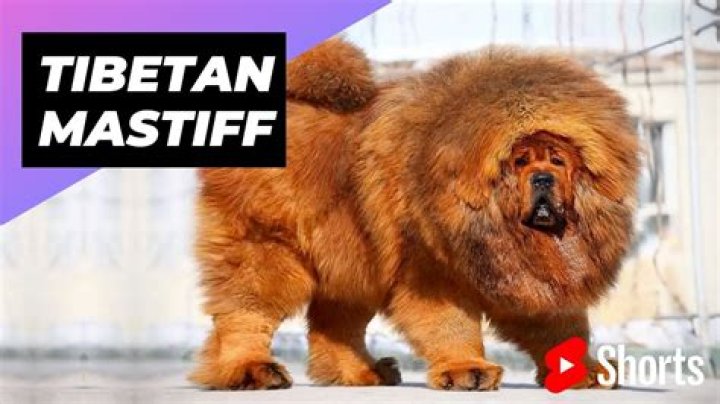
When it comes to luxury pets, the Tibetan Mastiff stands out as one of the most expensive dogs in the world. Known for its majestic appearance, loyalty, and rarity, this breed has captured the hearts of dog enthusiasts globally. However, owning a Tibetan Mastiff is not just about having a pet—it’s about investing in a symbol of status and prestige.
Originating from the high altitudes of Tibet, Nepal, and Mongolia, the Tibetan Mastiff has a storied history as a guardian of livestock and homes. Its imposing presence and protective nature make it an ideal companion for those seeking both loyalty and security. The breed's reputation as one of the most expensive dogs in the world is well-deserved, thanks to its unique characteristics and the exclusivity that surrounds it.
In this article, we will delve into the world of the Tibetan Mastiff, exploring its history, physical attributes, temperament, and why it commands such a high price tag. Whether you're a potential owner or simply fascinated by this breed, this article will provide you with all the information you need to understand why the Tibetan Mastiff is considered the most expensive dog in the world.
History of the Tibetan Mastiff
Origins and Ancient Guardians
The Tibetan Mastiff has a rich history that dates back thousands of years. Originally bred by nomadic tribes in the Himalayan region, this breed was used to guard livestock and property from predators such as wolves and leopards. Its impressive size and protective instincts made it an ideal choice for these tasks.
Historical records suggest that the Tibetan Mastiff was highly valued by Tibetan monks, who often kept them as companions and protectors of monasteries. The breed's isolation in the high altitudes of Tibet contributed to its rarity and mystique, making it a symbol of wealth and power.
Physical Characteristics of the Tibetan Mastiff
Size and Appearance
One of the most striking features of the Tibetan Mastiff is its size. Adult males can weigh between 140 and 180 pounds, while females typically weigh between 100 and 140 pounds. Their thick, double coat provides insulation against the harsh climates of their native habitat, and it comes in a variety of colors, including black, brown, and gold.
- Height: Males – 26-30 inches, Females – 24-28 inches
- Weight: Males – 140-180 pounds, Females – 100-140 pounds
- Coat: Thick, double coat with a mane-like appearance
Temperament and Personality
Loyal and Protective
The Tibetan Mastiff is known for its loyal and protective nature. This breed forms strong bonds with its family and is highly territorial, making it an excellent guard dog. However, its independent streak can make training a challenge, and early socialization is crucial to ensure that it becomes a well-rounded and obedient companion.
Despite its protective instincts, the Tibetan Mastiff is generally calm and gentle with its family members. It is important to note that this breed requires a confident and experienced owner who can provide consistent training and leadership.
Why Is the Tibetan Mastiff So Expensive?
Rarity and Demand
The Tibetan Mastiff's high price tag can be attributed to several factors, including its rarity and the demand for purebred puppies. In recent years, the breed has gained popularity in countries like China, where wealthy individuals are willing to pay exorbitant amounts for a Tibetan Mastiff puppy.
According to reports, the most expensive Tibetan Mastiff ever sold was purchased for $2 million in China. This astronomical price reflects the breed's status as a luxury pet and its association with wealth and prestige.
Caring for a Tibetan Mastiff
Grooming and Exercise
Owning a Tibetan Mastiff requires a commitment to proper care and maintenance. Its thick coat needs regular grooming to prevent matting and tangling, and it sheds heavily during certain times of the year. Bathing should be done occasionally, but over-bathing can strip the coat of its natural oils.
In terms of exercise, the Tibetan Mastiff is relatively low-energy compared to other large breeds. However, it still requires daily walks and playtime to stay healthy and happy. Mental stimulation is also important, as this breed is intelligent and needs activities to keep it engaged.
Health Considerations
Common Health Issues
Like all dog breeds, the Tibetan Mastiff is prone to certain health issues. Some of the most common include hip dysplasia, elbow dysplasia, and hypothyroidism. Regular veterinary check-ups and genetic testing can help identify and manage these conditions early on.
Additionally, the breed's large size can make it susceptible to bloat, a potentially life-threatening condition. Owners should be aware of the signs and take preventive measures, such as feeding smaller, more frequent meals and avoiding exercise immediately after eating.
Finding a Reputable Breeder
Research and Due Diligence
If you're considering purchasing a Tibetan Mastiff, it's essential to find a reputable breeder who prioritizes the health and well-being of their dogs. Look for breeders who conduct health screenings on their breeding stock and provide detailed information about the puppy's lineage.
Visiting the breeder's facility and meeting the parents of the puppy can give you insight into its temperament and overall health. Reputable breeders will also provide you with a health guarantee and be willing to answer any questions you may have about the breed.
Famous Tibetan Mastiffs
Celebrity Owners and Media Appearances
The Tibetan Mastiff's status as one of the most expensive dogs in the world has made it a favorite among celebrities and high-profile individuals. In China, where the breed has gained immense popularity, it is often seen as a status symbol among the wealthy elite.
Media coverage of Tibetan Mastiffs has also contributed to their fame, with stories of record-breaking sales and luxurious lifestyles capturing the public's attention. These dogs are not just pets—they are companions that reflect the owner's taste and sophistication.
Debunking Myths About Tibetan Mastiffs
Separating Fact from Fiction
There are several myths surrounding the Tibetan Mastiff that need to be addressed. One common misconception is that they are aggressive and dangerous. While it is true that the breed is protective, proper training and socialization can ensure that they become well-behaved and trustworthy companions.
Another myth is that Tibetan Mastiffs are difficult to train due to their independent nature. While they do require a firm and consistent approach, many owners find that their intelligence and willingness to please make training a rewarding experience.
Is Tibetan Mastiff Ownership Right for You?
Weighing the Pros and Cons
Owning a Tibetan Mastiff is a significant commitment that requires careful consideration. While the breed's loyalty and majestic appearance are undeniably appealing, potential owners must be prepared for the challenges of caring for such a large and powerful dog.
Factors to consider include the cost of purchasing and maintaining a Tibetan Mastiff, as well as the time and effort required for training and grooming. If you're willing to invest in this breed and provide it with the care it deserves, the rewards of owning a Tibetan Mastiff can be truly extraordinary.
Kesimpulan
The Tibetan Mastiff is undoubtedly one of the most expensive dogs in the world, and for good reason. Its impressive size, loyal nature, and regal appearance make it a coveted companion for those who appreciate luxury and exclusivity. However, owning a Tibetan Mastiff is not without its challenges, and potential owners must be prepared for the responsibilities that come with caring for such a magnificent breed.
We encourage you to share your thoughts and experiences with Tibetan Mastiffs in the comments below. If you found this article helpful, please consider sharing it with others who may be interested in learning more about this remarkable breed. For more information on dogs and pet care, explore our other articles on the website.




