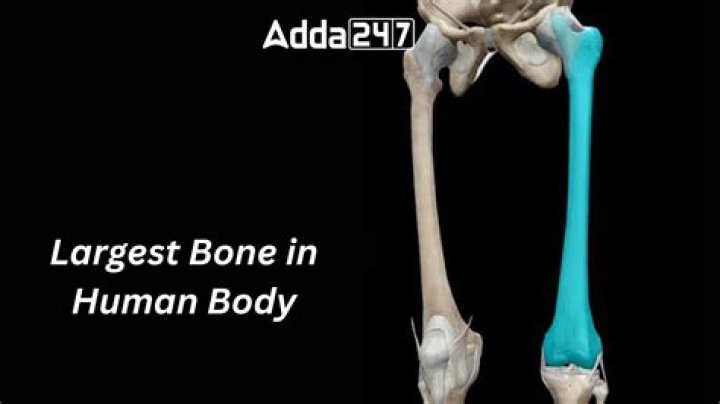
Have you ever wondered which is the largest bone in your body? The human skeletal system is an incredible structure that supports our entire body, and the largest bone plays a crucial role in enabling movement and protecting vital organs. Understanding the anatomy and function of this bone is essential for maintaining overall health and well-being. In this article, we will delve into the fascinating world of the largest bone in the human body, exploring its structure, function, and significance in daily life.
Our skeletal system consists of 206 bones, each with a specific role and function. Among these, the largest bone stands out due to its size, strength, and importance. This bone not only provides structural support but also serves as a critical attachment point for muscles, enabling movement and stability. By understanding the role of the largest bone, we can better appreciate the complexity of the human body.
This article aims to provide a comprehensive overview of the largest bone in your body, covering its anatomy, functions, and potential health issues. Whether you're a student, healthcare professional, or simply curious about the human body, this article will offer valuable insights into the importance of this vital bone. Let's dive in!
Anatomy of the Largest Bone
Structure and Composition
The largest bone in your body is the femur, also known as the thigh bone. It is a long, strong bone that extends from the hip joint to the knee joint. The femur is primarily composed of compact bone, which provides strength and rigidity, and spongy bone, which contains bone marrow. The bone marrow is responsible for producing red blood cells, white blood cells, and platelets.
The femur has several key anatomical features:
- Head of the Femur: The rounded top part that connects to the hip joint.
- Neck: A short, cylindrical section that connects the head to the shaft.
- Shaft: The long, central portion of the bone.
- Condyles: The rounded ends near the knee joint, which allow for movement and articulation.
Biological Significance
The femur is not only the largest bone but also one of the strongest bones in the human body. Its strength is crucial for supporting body weight and enabling movement. The bone's structure allows it to withstand significant forces, making it essential for activities such as walking, running, and jumping.
Functions of the Largest Bone
The femur serves multiple functions in the human body. Its primary roles include providing structural support, enabling movement, and protecting vital tissues. Here are some key functions:
- Support: The femur supports the weight of the upper body, transferring force from the upper body to the lower extremities.
- Movement: It acts as a lever for muscles, enabling powerful movements such as walking, running, and jumping.
- Blood Cell Production: The bone marrow within the femur produces red blood cells, white blood cells, and platelets, contributing to overall blood health.
Where Is the Largest Bone Located?
The femur is located in the upper leg, extending from the hip joint to the knee joint. It is the longest bone in the body, measuring approximately one-quarter of a person's height. The location of the femur makes it a critical component of the lower extremity, enabling movement and stability.
Comparison with Other Bones
Size and Strength
Compared to other bones in the body, the femur is the largest and strongest. While the humerus in the arm and the tibia in the lower leg are also long bones, they are smaller and less robust than the femur. The femur's size and strength are necessary for its role in supporting body weight and enabling powerful movements.
Functionality
Each bone in the body has a unique function, but the femur stands out due to its dual role in movement and blood cell production. Unlike smaller bones, such as those in the fingers or toes, the femur is essential for large-scale movements and overall mobility.
Common Health Issues
Despite its strength, the femur is susceptible to certain health issues. Common problems include fractures, osteoporosis, and infections. These conditions can significantly impact mobility and quality of life. Understanding these issues is crucial for maintaining bone health.
Femur Fractures
Femur fractures are serious injuries that require immediate medical attention. They can occur due to high-impact trauma, such as car accidents or falls from significant heights. Symptoms include severe pain, swelling, and difficulty moving the leg. Treatment typically involves surgery and immobilization.
Osteoporosis
Osteoporosis is a condition characterized by weakened bones, making them more prone to fractures. It commonly affects older adults, particularly women. Maintaining strong bones through proper nutrition and exercise can help prevent osteoporosis.
Treatment and Prevention
Medical Interventions
Treatment for femur-related health issues depends on the severity of the condition. Fractures often require surgical intervention, such as internal fixation or bone grafting. Osteoporosis can be managed with medications, calcium supplements, and vitamin D.
Preventive Measures
Preventing femur-related health issues involves maintaining strong bones through a balanced diet, regular exercise, and avoiding risk factors such as smoking and excessive alcohol consumption. Weight-bearing exercises, such as walking and weightlifting, are particularly beneficial for bone health.
Nutrition for Bone Health
Proper nutrition is essential for maintaining strong bones. Key nutrients for bone health include calcium, vitamin D, magnesium, and phosphorus. Foods rich in these nutrients include dairy products, leafy green vegetables, fatty fish, and fortified foods. Incorporating these foods into your diet can help reduce the risk of bone-related health issues.
Exercise and Bone Strength
Exercise plays a vital role in maintaining bone health. Weight-bearing exercises, such as walking, running, and resistance training, stimulate bone growth and strengthen the skeletal system. Regular physical activity also improves balance and coordination, reducing the risk of falls and fractures.
Statistics on Bone Health
According to the World Health Organization (WHO), osteoporosis affects approximately 200 million people worldwide. In the United States alone, approximately 1.5 million fractures occur annually due to osteoporosis. These statistics highlight the importance of maintaining bone health through proper nutrition and exercise.
Conclusion
The largest bone in your body, the femur, plays a crucial role in supporting movement and protecting vital tissues. Its size, strength, and functionality make it an essential component of the skeletal system. By understanding the anatomy, functions, and potential health issues associated with the femur, we can better appreciate its importance in daily life.
We encourage you to take proactive steps to maintain bone health through proper nutrition, regular exercise, and avoiding risk factors. If you have any questions or concerns about bone health, consult a healthcare professional for personalized advice. Share this article with friends and family to spread awareness about the importance of bone health!



