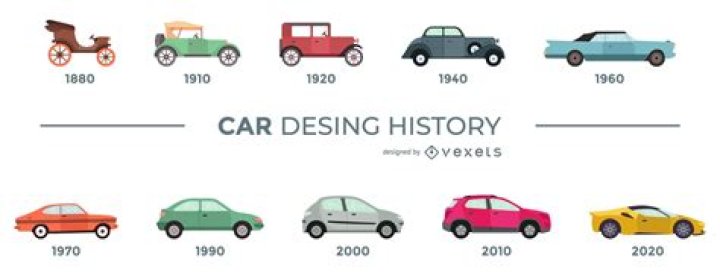
The history of the car timeline is a captivating journey through human ingenuity and technological advancement. From the earliest attempts to create self-propelled vehicles to the modern marvels of electric and autonomous cars, this evolution has shaped the world as we know it today. Understanding the history of cars offers valuable insights into how transportation became a cornerstone of modern society.
Throughout history, cars have not only transformed the way people travel but also influenced economies, cultures, and daily life. This article will explore the key milestones in the development of automobiles, highlighting the inventors, innovations, and societal impacts that have defined the automotive industry.
Whether you're a car enthusiast or simply curious about the origins of this revolutionary invention, this comprehensive guide will take you on a chronological journey through the history of the car timeline. Let's dive in and uncover the fascinating story behind one of humanity's greatest achievements.
Early Beginnings: The Concept of Self-Propelled Vehicles
The idea of self-propelled vehicles dates back centuries before the first functional car was built. Inventors and engineers explored various methods to create machines capable of moving without human or animal power. Leonardo da Vinci, for example, sketched designs for self-moving carts in the 15th century, although they were never built during his lifetime.
Key Innovations in Early Transportation
In the 17th century, Flemish engineer Ferdinand Verbiest created a small steam-powered vehicle for the Chinese emperor, marking one of the earliest known attempts at building a self-propelled machine. While not practical for everyday use, this invention demonstrated the potential of steam power in transportation.
- 1672: Ferdinand Verbiest builds a steam-powered vehicle for the Chinese court.
- 1769: Nicolas-Joseph Cugnot develops the first full-scale steam-powered car in France.
The Industrial Revolution and the Rise of Steam-Powered Cars
The Industrial Revolution of the late 18th and early 19th centuries brought significant advancements in engineering and manufacturing. Steam power, which had already revolutionized industries such as textiles and mining, began to be applied to transportation. Inventors like Richard Trevithick and Goldsworthy Gurney developed steam-powered carriages that could carry passengers and goods over long distances.
Challenges of Steam-Powered Vehicles
Despite their promise, steam-powered cars faced several challenges, including limited range, slow acceleration, and the need for frequent refueling. Additionally, the heavy and cumbersome nature of steam engines made them impractical for widespread use. Nevertheless, these early experiments laid the groundwork for future innovations in automotive technology.
The Invention of the Internal Combustion Engine
The invention of the internal combustion engine marked a turning point in the history of the car timeline. German engineers Nikolaus Otto and Gottlieb Daimler developed the first practical gasoline-powered engines in the late 19th century. These engines were lighter, more efficient, and easier to operate than their steam-powered predecessors.
Key Milestones in Engine Development
- 1876: Nikolaus Otto patents the four-stroke internal combustion engine.
- 1886: Karl Benz builds the first gasoline-powered car, the Benz Patent-Motorwagen.
The introduction of the internal combustion engine paved the way for the mass production of automobiles, making them accessible to a broader audience.
Henry Ford and the Assembly Line Revolution
Henry Ford's introduction of the moving assembly line in 1913 revolutionized the automotive industry. By streamlining the production process, Ford was able to reduce the time and cost of manufacturing cars, making them more affordable for the average consumer. The Model T, introduced in 1908, became a symbol of this new era of mass-produced automobiles.
The Impact of Ford's Innovations
Ford's assembly line not only transformed the car industry but also influenced manufacturing practices across various sectors. It led to increased efficiency, lower prices, and greater accessibility of goods for consumers worldwide. By 1927, over 15 million Model T cars had been produced, solidifying Ford's legacy as a pioneer in automotive innovation.
The Post-War Era: Expansion and Diversification
The aftermath of World War II saw a surge in demand for automobiles as economies recovered and suburbanization expanded. Manufacturers responded by diversifying their offerings, introducing new models and features to cater to changing consumer preferences. This period also marked the rise of iconic brands such as Chevrolet, Volkswagen, and Toyota, which gained global recognition for their quality and innovation.
Trends in Post-War Car Design
Post-war car designs reflected the optimism and prosperity of the era, featuring sleek lines, chrome accents, and powerful engines. Safety features, such as seat belts and padded dashboards, began to appear in response to growing concerns about road safety. This era also saw the introduction of compact cars, which catered to urban drivers and fuel-conscious consumers.
The Oil Crisis and the Rise of Fuel Efficiency
The oil crisis of the 1970s forced automakers to rethink their approach to car design and production. With rising fuel prices and dwindling resources, consumers demanded more fuel-efficient vehicles. Japanese manufacturers, such as Toyota and Honda, capitalized on this trend by offering compact, reliable cars that delivered exceptional mileage.
Technological Responses to the Oil Crisis
- Development of smaller, more efficient engines.
- Introduction of catalytic converters to reduce emissions.
- Increase in research and development of alternative fuels.
These innovations not only addressed immediate concerns but also set the stage for future advancements in automotive technology.
Environmental Awareness and the Shift to Hybrid Cars
As environmental concerns gained prominence in the late 20th century, automakers began exploring ways to reduce the environmental impact of cars. Hybrid vehicles, which combine gasoline engines with electric motors, emerged as a viable solution. Toyota's Prius, introduced in 1997, became the world's first mass-produced hybrid car, setting a new standard for fuel efficiency and eco-friendliness.
Benefits of Hybrid Cars
Hybrid cars offer several advantages, including:
- Improved fuel efficiency.
- Reduced emissions.
- Enhanced driving experience through advanced technology.
The Emergence of Electric Vehicles
The 21st century has witnessed a rapid expansion in the development and adoption of electric vehicles (EVs). Companies like Tesla, Nissan, and Chevrolet have introduced EVs that combine cutting-edge technology with stylish designs and impressive performance. Government incentives and growing consumer awareness of environmental issues have further accelerated the shift toward electric transportation.
Key Advantages of Electric Vehicles
- Zero tailpipe emissions.
- Lower operating costs compared to gasoline-powered cars.
- Access to advanced features such as autonomous driving capabilities.
The Future of Autonomous Cars
Autonomous vehicles represent the next frontier in automotive innovation. Companies like Waymo, Tesla, and Uber are investing heavily in research and development to bring self-driving cars to market. While challenges remain in terms of technology, regulation, and public acceptance, the potential benefits of autonomous vehicles are vast, including improved safety, reduced congestion, and increased accessibility for people with disabilities.
Potential Impact of Autonomous Cars
Autonomous cars have the potential to revolutionize the way we travel, offering:
- Enhanced safety through advanced sensors and AI systems.
- Increased productivity by allowing drivers to focus on other tasks during commutes.
- Environmental benefits through optimized routes and reduced fuel consumption.
Conclusion: A Legacy of Innovation
The history of the car timeline is a testament to human ingenuity and the relentless pursuit of progress. From the earliest experiments with steam-powered vehicles to the cutting-edge innovations of electric and autonomous cars, the automotive industry has continually evolved to meet the changing needs of society.
As we look to the future, it is clear that cars will continue to play a vital role in shaping the world. By embracing sustainable practices and advancing technology, we can ensure that the legacy of automotive innovation endures for generations to come.
We invite you to share your thoughts and insights in the comments below. Have you experienced any of the milestones mentioned in this article? What do you think the future holds for the automotive industry? Don't forget to explore other articles on our site for more fascinating content!
Data and references for this article were sourced from reputable publications such as History.com, Encyclopedia Britannica, and Tesla's official website.



