Wing Chun is a traditional Chinese martial art renowned for its efficiency and practicality in real-life combat situations. It has gained immense popularity worldwide due to its unique techniques and philosophy. Whether you're a beginner or an experienced martial artist, understanding the fundamentals of Wing Chun can significantly enhance your skills and knowledge.
Wing Chun's roots date back centuries, and its techniques have been refined over generations to provide practitioners with a system that emphasizes speed, precision, and effectiveness. Unlike many other martial arts, Wing Chun focuses on close-range combat, making it ideal for self-defense in modern urban environments.
This article will delve into the core principles of Wing Chun, its history, techniques, training methods, and benefits. By the end of this guide, you'll have a comprehensive understanding of why Wing Chun is considered one of the most effective martial arts in the world.
History of Wing Chun
Wing Chun's origins are shrouded in mystery, but most historians agree that it was developed in Southern China during the 17th century. The martial art is believed to have been created by a Buddhist nun named Ng Mui, who sought to develop a system that could be learned quickly and effectively by women and smaller individuals. Over time, Wing Chun evolved and was passed down through various families and schools.
One of the most famous figures in Wing Chun's history is Yip Man, who played a pivotal role in popularizing the martial art outside of China. Yip Man's teachings laid the foundation for modern Wing Chun, and his influence can still be seen in many schools today.
Today, Wing Chun continues to thrive as a martial art practiced by millions worldwide. Its rich history and cultural significance make it a fascinating subject for martial arts enthusiasts.
Core Principles of Wing Chun
Wing Chun is built on a set of core principles that guide its techniques and philosophy. These principles are designed to maximize efficiency and effectiveness in combat situations.
1. Economy of Motion
Economy of motion is one of the fundamental principles of Wing Chun. Practitioners are taught to move in the most direct and efficient manner possible, minimizing unnecessary movements to conserve energy and increase speed.
2. Centerline Theory
The centerline theory is another key concept in Wing Chun. This principle emphasizes protecting and attacking along the centerline of the body, which is considered the most vulnerable area. By focusing on the centerline, practitioners can effectively control and neutralize their opponents.
3. Simultaneous Attack and Defense
Wing Chun teaches practitioners to attack and defend simultaneously, allowing them to counter their opponent's moves while delivering their own strikes. This dual approach enhances the effectiveness of Wing Chun techniques in real-life combat situations.
Wing Chun Techniques
Wing Chun is renowned for its unique techniques, which are designed to be practical and effective in real-life scenarios. Below are some of the most common techniques used in Wing Chun:
- Punching: Wing Chun punches are delivered in a straight line, targeting the opponent's centerline for maximum impact.
- Blocks: Wing Chun blocks are designed to redirect and neutralize an opponent's attacks while maintaining control of the centerline.
- Trapping: Trapping techniques involve controlling an opponent's limbs to create openings for counterattacks.
- Kicks: Although Wing Chun focuses primarily on hand techniques, it also incorporates low kicks aimed at the opponent's legs and lower body.
These techniques, when combined with the core principles of Wing Chun, create a highly effective system for self-defense and combat.
Training Methods in Wing Chun
Training in Wing Chun involves a combination of solo and partner drills designed to develop the skills and techniques necessary for effective self-defense. Below are some of the most common training methods used in Wing Chun:
1. Chi Sao (Sticky Hands)
Chi Sao is a fundamental training exercise in Wing Chun that focuses on developing sensitivity, control, and reflexes. Practitioners engage in close-range sparring, using their hands to feel and respond to their opponent's movements.
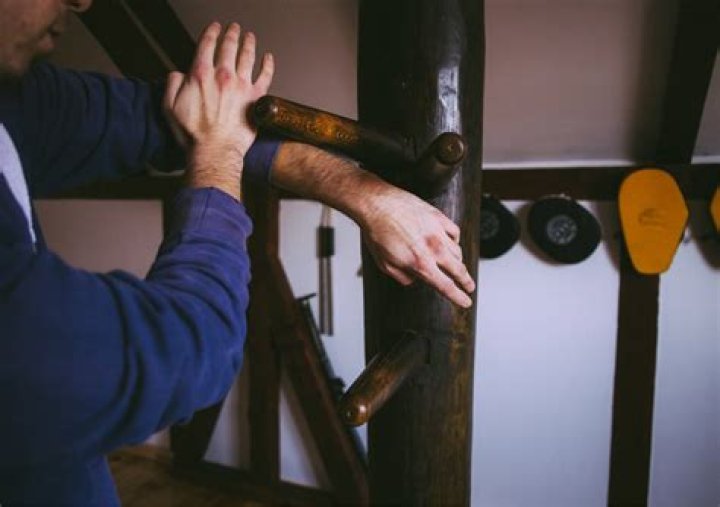
2. Wooden Dummy
The wooden dummy is a training tool used to practice Wing Chun techniques and improve balance, coordination, and accuracy. Practitioners perform a series of movements and strikes on the dummy, refining their skills in a controlled environment.
3. Forms
Wing Chun forms are a series of choreographed movements that teach practitioners the fundamental techniques and principles of the martial art. These forms serve as a foundation for more advanced training and application.
The Philosophy Behind Wing Chun
Wing Chun is not just a martial art; it is also a philosophy that emphasizes efficiency, adaptability, and self-discipline. Practitioners are encouraged to apply these principles in their daily lives, promoting personal growth and development.
The philosophy of Wing Chun teaches practitioners to remain calm and focused under pressure, using their skills and knowledge to resolve conflicts in a peaceful and effective manner. This mindset extends beyond the dojo, influencing how practitioners approach challenges in their personal and professional lives.
Health Benefits of Practicing Wing Chun
In addition to its self-defense applications, Wing Chun offers numerous health benefits for practitioners. Regular training can improve cardiovascular fitness, flexibility, and muscle tone while reducing stress and promoting mental clarity.
Studies have shown that martial arts, including Wing Chun, can have a positive impact on mental health, reducing symptoms of anxiety and depression while enhancing overall well-being. The combination of physical exercise and mental focus makes Wing Chun an excellent choice for those looking to improve their health and fitness.
Famous Practitioners of Wing Chun
Throughout its history, Wing Chun has been practiced by many famous individuals who have contributed to its popularity and development. Below are some of the most notable practitioners:
- Bruce Lee: The legendary martial artist and actor, Bruce Lee, studied under Yip Man and incorporated elements of Wing Chun into his own fighting style, Jeet Kune Do.
- Donnie Yen: A renowned actor and martial artist, Donnie Yen has popularized Wing Chun through his roles in films such as "Ip Man" and "Rogue One: A Star Wars Story."
- Samuel Kwok: A leading figure in modern Wing Chun, Samuel Kwok has dedicated his life to teaching and promoting the martial art worldwide.
These practitioners, among others, have played a significant role in bringing Wing Chun to a global audience.
Wing Chun vs. Other Martial Arts
While Wing Chun shares similarities with other martial arts, it differs in several key aspects. Below is a comparison of Wing Chun with some of the most popular martial arts:
1. Wing Chun vs. Karate
Wing Chun focuses on close-range combat and efficiency, while Karate emphasizes long-range strikes and powerful techniques. Both martial arts have their strengths, making them suitable for different types of practitioners.
2. Wing Chun vs. Taekwondo
Taekwondo is known for its high kicks and dynamic movements, whereas Wing Chun prioritizes practicality and effectiveness in real-life situations. Practitioners of both martial arts can benefit from understanding their differences and similarities.
3. Wing Chun vs. Jiu-Jitsu
While Jiu-Jitsu focuses on grappling and ground techniques, Wing Chun emphasizes stand-up fighting and striking. Both martial arts offer valuable skills that can complement one another in a well-rounded self-defense system.
Modern Applications of Wing Chun
In today's world, Wing Chun continues to be relevant and applicable in various fields, including law enforcement, military, and personal self-defense. Its emphasis on efficiency and practicality makes it an ideal choice for individuals looking to develop effective self-defense skills.
Many law enforcement agencies and military organizations incorporate Wing Chun techniques into their training programs, recognizing the value of its principles and methods. Additionally, Wing Chun's focus on mental and physical well-being makes it an excellent choice for those seeking to improve their overall health and fitness.
Tips for Beginners in Wing Chun
If you're new to Wing Chun, here are some tips to help you get started:
- Find a reputable school and instructor to ensure you receive proper training and guidance.
- Focus on mastering the fundamentals before moving on to more advanced techniques.
- Practice regularly and consistently to develop your skills and understanding of the martial art.
- Stay patient and persistent, as learning Wing Chun requires time and dedication.
By following these tips, you'll be well on your way to becoming a skilled Wing Chun practitioner.
Kesimpulan
Wing Chun is a fascinating and effective martial art with a rich history and cultural significance. Its core principles, techniques, and philosophy make it an ideal choice for those looking to develop practical self-defense skills while improving their health and fitness. By understanding the art of Wing Chun, practitioners can gain valuable insights into the world of martial arts and its applications in modern life.
We encourage you to share your thoughts and experiences in the comments section below. If you enjoyed this article, please consider sharing it with others who may benefit from learning about the art of Wing Chun. Additionally, explore our other articles to discover more about martial arts and their many benefits.
References:
- Lo, R. (2018). Wing Chun Kung Fu: The Essential Guide. Tuttle Publishing.
- Chu, R., & Ritchie, J. (1998). Complete Wing Chun: The Definitive Guide to Wing Chun's History and Traditions. Tuttle Publishing.
- Journal of Sports Sciences, "Martial Arts and Mental Health: A Systematic Review," Volume 36, Issue 15.