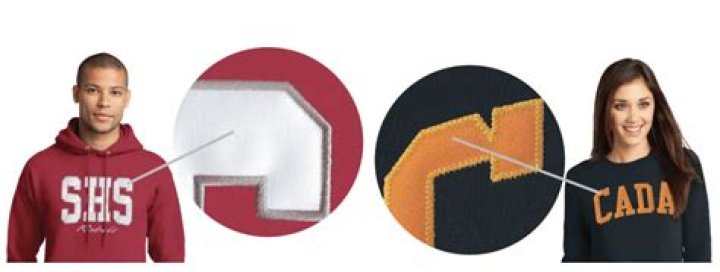
When it comes to customizing sports uniforms or creating personalized apparel, two popular options often come to mind: tackle twill and embroidery. Both methods offer unique advantages and are widely used in the textile industry. However, understanding the differences between tackle twill vs embroidery is crucial to making an informed decision that aligns with your specific requirements.
Whether you're designing team uniforms, creating custom gear for a business, or simply looking to personalize your clothing, knowing the pros and cons of each technique can help you achieve the desired outcome. In this article, we will delve into the intricacies of both tackle twill and embroidery, exploring their characteristics, applications, and cost-effectiveness.
By the end of this guide, you will have a clear understanding of which method suits your needs best, whether you prioritize durability, appearance, or budget. Let's dive into the world of tackle twill vs embroidery and uncover what makes each option stand out.
Introduction to Tackle Twill
Tackle twill is a popular method used in the customization of sports uniforms and other apparel. It involves applying a woven fabric patch onto the base material using stitching. This technique is renowned for its durability and bold appearance, making it a go-to choice for team uniforms. Tackle twill offers a flat, smooth finish that enhances the overall look of the garment while providing long-lasting results.
In the tackle twill process, a twill tape is cut into the desired shape and then sewn onto the garment using a zigzag stitch or another durable stitching method. This ensures that the twill stays securely in place, even after repeated washes and wear. The material used for tackle twill is typically polyester or nylon, which adds to its longevity and resistance to fading.
Key Characteristics of Tackle Twill
- Durable and long-lasting
- Bold, vibrant colors
- Flat and smooth finish
- Suitable for large, simple designs
Introduction to Embroidery
Embroidery, on the other hand, involves stitching a design directly onto the fabric using thread. This method allows for intricate designs and fine details, making it ideal for logos, monograms, and other personalized touches. Embroidery is often preferred for its versatility and ability to add a premium look to any garment.
Modern embroidery machines can produce complex designs with multiple colors and threads, offering endless possibilities for customization. While embroidery may not be as durable as tackle twill in terms of heavy wear and tear, it excels in creating visually appealing and sophisticated designs that enhance the aesthetic appeal of the garment.
Key Characteristics of Embroidery
- Intricate and detailed designs
- Wide range of color options
- Soft and flexible finish
- Ideal for small to medium-sized logos
Differences Between Tackle Twill and Embroidery
Understanding the differences between tackle twill and embroidery is essential when deciding which method to use for your project. Below are some key distinctions that can help you make an informed choice:
Material and Construction
Tackle twill uses a woven fabric patch that is sewn onto the garment, while embroidery relies on stitching directly onto the fabric. This difference in construction affects the durability, appearance, and application of each technique.
Design Complexity
Embroidery is better suited for intricate designs with fine details, whereas tackle twill is ideal for bold, simple designs that require durability. The choice between the two depends on the specific requirements of your project.
Cost Implications
Cost is another important factor to consider. Tackle twill tends to be more cost-effective for large, simple designs, while embroidery may be more economical for smaller, detailed designs. Understanding the cost implications can help you allocate your budget effectively.
Advantages of Tackle Twill
Tackle twill offers several advantages that make it a popular choice for customizing sports uniforms and other apparel:
- Durability: Tackle twill is known for its durability, making it ideal for garments that undergo heavy wear and tear.
- Vibrant Colors: The woven fabric used in tackle twill allows for bold, vibrant colors that resist fading over time.
- Cost-Effective: For large, simple designs, tackle twill is often more cost-effective than embroidery.
- Professional Look: Tackle twill provides a clean, professional finish that enhances the overall appearance of the garment.
Advantages of Embroidery
Embroidery also has its own set of advantages, making it a preferred choice for certain applications:
- Detail and Versatility: Embroidery allows for intricate designs and fine details, making it ideal for logos and monograms.
- Soft Finish: The embroidered design feels softer and more flexible than tackle twill, providing a comfortable wearing experience.
- Wide Color Range: Embroidery offers a wide range of color options, enabling you to create visually appealing designs.
- Premium Appearance: Embroidery adds a touch of elegance and sophistication to any garment, making it a popular choice for corporate wear and formal attire.
Cost Comparison
When comparing the costs of tackle twill vs embroidery, several factors come into play, including the size and complexity of the design, the quantity of garments being customized, and the materials used. Generally, tackle twill is more cost-effective for large, simple designs, while embroidery may be more economical for smaller, detailed designs.
According to industry experts, the cost of tackle twill can range from $5 to $15 per piece, depending on the size and complexity of the design. Embroidery costs can vary widely, with prices ranging from $3 to $10 per piece, depending on the number of stitches and colors used.
Durability and Care
Both tackle twill and embroidery are durable options, but their longevity depends on proper care and maintenance. Tackle twill is known for its resistance to wear and tear, making it ideal for sports uniforms and other active wear. Embroidery, while not as durable as tackle twill, can still last a long time if cared for properly.
Tips for Maintaining Tackle Twill and Embroidery
- Wash in Cold Water: To prevent fading and damage, always wash tackle twill and embroidery garments in cold water.
- Avoid Harsh Detergents: Use mild detergents to protect the integrity of the design.
- Do Not Bleach: Bleaching can damage the threads and fabrics, leading to premature wear.
- Air Dry: Avoid using high heat when drying to prevent shrinkage and distortion of the design.
Applications and Use Cases
Tackle twill and embroidery have different applications and use cases, depending on the specific needs of the project:
Tackle Twill Applications
- Sports uniforms
- Team jerseys
- Custom athletic wear
- Large, bold logos
Embroidery Applications
- Corporate wear
- Monograms and personalized gifts
- Small to medium-sized logos
- Formal attire
Common Questions
Here are some frequently asked questions about tackle twill vs embroidery:
Which is Better: Tackle Twill or Embroidery?
The choice between tackle twill and embroidery depends on your specific needs. If you prioritize durability and bold designs, tackle twill is the better option. If you prefer intricate details and a premium appearance, embroidery may be more suitable.
Can Tackle Twill and Embroidery Be Combined?
Yes, tackle twill and embroidery can be combined to create a unique and visually appealing design. This approach is often used in sports uniforms to highlight team logos and player numbers.
How Long Do Tackle Twill and Embroidery Last?
With proper care, both tackle twill and embroidery can last for several years. Tackle twill is generally more durable, especially for active wear, while embroidery can maintain its appearance with careful maintenance.
Conclusion
In conclusion, both tackle twill and embroidery offer unique advantages and are suitable for different applications. Tackle twill is ideal for durable, bold designs, while embroidery excels in creating intricate and visually appealing designs. By considering factors such as cost, durability, and design complexity, you can make an informed decision that aligns with your specific needs.
We encourage you to leave a comment below sharing your thoughts on tackle twill vs embroidery or any questions you may have. Feel free to explore our other articles for more insights into customization techniques and textile industry trends. Together, let's create the perfect customized apparel for your team, business, or personal use!




