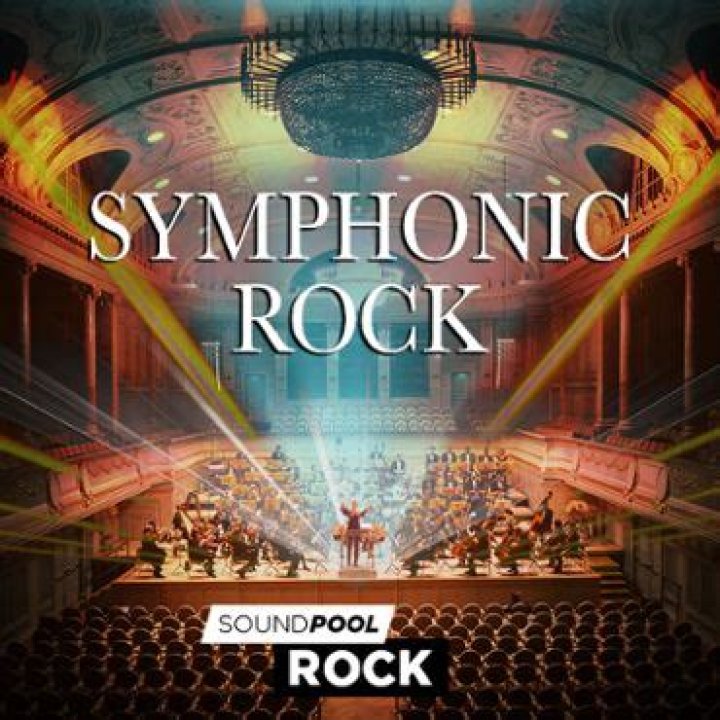
Symphonic rock is a genre that combines the power and intensity of rock music with the orchestral elements of classical music. This unique blend creates a sound that is both epic and emotionally charged, resonating with audiences who appreciate the complexity and grandeur of music. As symphonic rock continues to evolve, it has captured the imagination of music enthusiasts worldwide, offering a rich tapestry of sound that transcends traditional boundaries.
The roots of symphonic rock can be traced back to the late 1960s and early 1970s, a period when musicians began experimenting with new sounds and styles. This era marked the beginning of a musical revolution, where artists sought to push the limits of conventional rock music by incorporating classical instruments and arrangements. The result was a genre that brought together the raw energy of rock with the sophistication of classical music, creating an experience that was both powerful and inspiring.
Today, symphonic rock continues to captivate audiences, offering a diverse range of sounds and styles that appeal to a wide audience. From the lush orchestral arrangements to the heavy guitar riffs, this genre provides a unique listening experience that resonates with fans of both rock and classical music. In this article, we will delve into the world of symphonic rock, exploring its history, key characteristics, notable artists, and its impact on the music industry.
The History of Symphonic Rock
Symphonic rock emerged during the late 1960s and early 1970s as part of the progressive rock movement. This period saw musicians experimenting with new sounds and techniques, leading to the fusion of rock and classical music. Bands like The Moody Blues and Yes were among the pioneers of this genre, incorporating orchestral elements into their music to create a more elaborate and sophisticated sound.
During the 1970s, symphonic rock gained popularity, with bands like Genesis, King Crimson, and Emerson, Lake & Palmer pushing the boundaries of the genre. These artists utilized complex time signatures, intricate arrangements, and a wide range of instruments to create music that was both challenging and rewarding for listeners.
Early Influences
The influence of classical composers such as Johann Sebastian Bach, Ludwig van Beethoven, and Igor Stravinsky can be seen in the works of early symphonic rock bands. These composers inspired musicians to incorporate classical elements into their music, resulting in a genre that was both innovative and timeless.
Key Characteristics of Symphonic Rock
Symphonic rock is characterized by its use of orchestral instruments, complex compositions, and intricate arrangements. These elements combine to create a sound that is both powerful and emotionally charged, offering listeners a unique musical experience.
Orchestral Elements
- Strings: Violins, violas, cellos, and double basses are often used to add depth and richness to the music.
- Woodwinds: Flutes, oboes, clarinets, and bassoons provide a lighter, more ethereal quality to the sound.
- Brass: Trumpets, trombones, and French horns add a bold and dramatic element to the music.
Complex Compositions
Symphonic rock compositions often feature multiple time signatures, key changes, and intricate melodies. These elements contribute to the genre's reputation for being both challenging and rewarding for both musicians and listeners.
Notable Artists in Symphonic Rock
Over the years, numerous artists have made significant contributions to the symphonic rock genre. From the pioneering bands of the 1960s and 1970s to the modern artists pushing the boundaries of the genre today, these musicians have helped shape the sound of symphonic rock.
Pioneering Bands
- The Moody Blues: Known for their groundbreaking use of orchestral instruments in rock music, The Moody Blues set the stage for the symphonic rock movement.
- Yes: With their complex compositions and intricate arrangements, Yes became one of the most influential bands in the genre.
- Genesis: Led by Peter Gabriel and later Phil Collins, Genesis created a unique sound that combined rock and classical elements.
Instruments Used in Symphonic Rock
Symphonic rock relies heavily on a wide range of instruments to create its distinctive sound. In addition to traditional rock instruments such as electric guitars, bass, and drums, symphonic rock incorporates orchestral instruments to add depth and complexity to the music.
Rock Instruments
- Electric Guitar: Provides the raw power and energy that is characteristic of rock music.
- Bass: Adds a deep, driving rhythm to the music, anchoring the sound.
- Drums: Supplies the beat and percussion that drives the music forward.
Classical Instruments
- Piano: Often used to create lush, melodic lines that complement the rock elements.
- Synthesizer: Adds electronic textures and sounds to the music, expanding the sonic palette.
- Orchestral Strings: Provide a rich, emotional backdrop to the music, enhancing its grandeur.
Subgenres of Symphonic Rock
Within the broad category of symphonic rock, several subgenres have emerged, each with its own unique characteristics and sound. These subgenres cater to different tastes and preferences, offering fans a wide range of musical experiences.
Progressive Symphonic Rock
Progressive symphonic rock focuses on complex compositions, intricate arrangements, and innovative use of technology. Bands like King Crimson and Emerson, Lake & Palmer are prime examples of this subgenre.
Neo-Classical Symphonic Rock
Neo-classical symphonic rock emphasizes the use of classical instruments and techniques in rock music. Artists like Ritchie Blackmore and Yngwie Malmsteen have made significant contributions to this subgenre.
The Influence of Symphonic Rock
Symphonic rock has had a profound impact on the music industry, influencing countless artists and genres. Its fusion of rock and classical elements has inspired musicians to explore new sounds and techniques, leading to the development of new and exciting musical styles.
Impact on Other Genres
Symphonic rock has influenced a wide range of genres, including metal, pop, and electronic music. Its emphasis on complexity and innovation has encouraged musicians to push the boundaries of their own music, resulting in a more diverse and dynamic musical landscape.
The Future of Symphonic Rock
As technology continues to evolve, so too does the potential for symphonic rock to grow and develop. With advancements in digital audio workstations and virtual instruments, musicians have more tools than ever before to create innovative and groundbreaking music. The future of symphonic rock looks bright, with new artists emerging and pushing the genre in exciting new directions.
Symphonic Rock Audience Demographics
The audience for symphonic rock is diverse, encompassing fans of both rock and classical music. This genre appeals to listeners who appreciate complexity and innovation in music, as well as those who enjoy the emotional depth and grandeur that symphonic rock offers.
Global Appeal
Symphonic rock has a global following, with fans in countries around the world. Its universal appeal lies in its ability to transcend cultural and linguistic barriers, offering a shared musical experience that resonates with audiences everywhere.
Symphonic Rock Live Events and Festivals
Symphonic rock fans have numerous opportunities to experience their favorite music live, with concerts and festivals taking place around the world. These events provide a platform for artists to showcase their talents and connect with fans, creating memorable experiences for all involved.
Notable Festivals
- ProgPower USA: A festival dedicated to progressive and symphonic rock, featuring performances by some of the genre's biggest names.
- Sweden Rock Festival: Celebrating all things rock, this festival includes a strong symphonic rock presence, attracting fans from around the globe.
Conclusion
Symphonic rock is a genre that combines the power and intensity of rock music with the sophistication and grandeur of classical music. From its early beginnings in the late 1960s and early 1970s to its current status as a globally recognized genre, symphonic rock continues to captivate audiences with its unique sound and emotional depth.
We encourage readers to explore the world of symphonic rock further, discovering new artists and subgenres that resonate with their musical tastes. Leave a comment below to share your thoughts on this genre, or explore other articles on our site to deepen your understanding of the music industry.
References:
- Macan, Edward. "Rocking the Classics: English Progressive Rock and the Counterculture." Oxford University Press, 1997.
- Reeves, Peter. "Progressive Rock: A Guide to the Progressive Rock Genre." Hal Leonard Corporation, 2004.