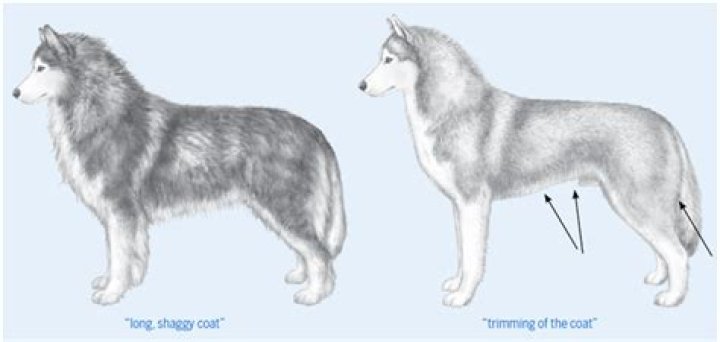
When it comes to Siberian Huskies, their striking coat patterns are one of their most distinguishing features. These beautiful dogs are not only known for their piercing blue eyes and wolf-like appearance but also for their unique fur patterns that come in various colors and designs. Whether you're a current owner or considering adopting a Siberian Husky, understanding their coat patterns is essential for appreciating the breed's beauty fully.
Siberian Huskies have captured the hearts of many dog lovers worldwide. Their stunning appearance, coupled with their friendly and energetic nature, makes them a popular choice for families and individuals alike. However, the diversity in their coat patterns adds another layer of intrigue to this already fascinating breed.
This article will delve into the various Siberian Husky coat patterns, their genetic influences, and the significance of these patterns in the dog world. By the end of this guide, you'll have a comprehensive understanding of what makes each Siberian Husky's coat unique and how to care for it properly.
Biography of the Siberian Husky Breed
The Siberian Husky is a medium-sized working dog breed that originated in Northeast Asia. They were originally bred by the Chukchi people of Siberia for sledding and companionship. Known for their endurance and ability to thrive in harsh climates, these dogs quickly became an integral part of Arctic exploration teams.
The breed was officially recognized by the American Kennel Club (AKC) in 1930, and since then, it has gained immense popularity worldwide. Today, Siberian Huskies are celebrated not only for their physical attributes but also for their loyal and affectionate nature.
Key Facts About Siberian Huskies
| Attribute | Details |
|---|---|
| Breed | Siberian Husky |
| Origin | Siberia, Russia |
| Life Span | 12-15 years |
| Size | Medium |
| Temperament | Outgoing, friendly, energetic |
Understanding Siberian Husky Coat Patterns
Siberian Husky coat patterns are as diverse as the breed itself. These patterns can range from simple markings to intricate designs, making each Husky unique. Coat patterns are influenced by genetics, and they play a significant role in the overall appearance of the dog.
While the Siberian Husky breed standard allows for various coat patterns, some patterns are more common than others. Understanding these patterns can help potential owners identify the type of Husky they might encounter.
Common Siberian Husky Coat Patterns
1. Agouti Pattern
The Agouti pattern is one of the most common Siberian Husky coat patterns. It is characterized by banded hairs that create a striped effect on the dog's coat. This pattern often gives the Husky a wolf-like appearance, which many people find appealing.
2. Sable Pattern
The Sable pattern is another prevalent coat pattern in Siberian Huskies. This pattern features a reddish-brown base coat with black-tipped hairs, creating a striking contrast. Sable Huskies are often admired for their rich coloration.
Genetic Factors Behind Coat Patterns
The genetic makeup of Siberian Huskies plays a crucial role in determining their coat patterns. Several genes interact to produce the wide variety of patterns seen in this breed. For example, the Agouti gene is responsible for the banded hairs in the Agouti pattern, while the Sable pattern is influenced by the Extension gene.
Understanding the genetics behind coat patterns can help breeders predict the potential coat patterns of their litters. However, it's important to note that environmental factors can also influence the expression of these patterns.
Color Variations in Siberian Husky Coats
Siberian Huskies come in a wide range of colors, each with its own charm and appeal. Some of the most common colors include:
- Black and White
- Gray and White
- Red and White
- Silver
- Agouti
While these colors are widely accepted, some rare colors, such as pure white or copper, are also seen in the breed. Each color variation adds to the beauty and uniqueness of the Siberian Husky.
Rare Siberian Husky Coat Patterns
1. Pure White Pattern
A Pure White Siberian Husky is a rare sight. This pattern is characterized by an absence of any other color except white, giving the dog a pristine appearance. Pure White Huskies are highly sought after for their elegance and rarity.
2. Copper Pattern
The Copper pattern is another rare coat pattern in Siberian Huskies. This pattern features a rich, coppery hue that is both striking and beautiful. Copper Huskies often stand out in a crowd due to their unique coloration.
Grooming Tips for Siberian Husky Coats
Proper grooming is essential for maintaining the health and beauty of a Siberian Husky's coat. Here are some tips to help you keep your Husky's coat in top condition:
- Brush your Husky's coat regularly to remove loose hair and prevent matting.
- Use a slicker brush or undercoat rake to tackle the thick undercoat.
- Bathe your Husky only when necessary, as over-bathing can strip the coat of its natural oils.
- Check for signs of skin irritation or parasites during grooming sessions.
By following these grooming tips, you can ensure that your Siberian Husky's coat remains healthy and vibrant.
Health Implications of Coat Patterns
While coat patterns themselves do not directly affect a Siberian Husky's health, they can sometimes indicate underlying genetic conditions. For example, certain coat patterns may be linked to specific health issues, such as skin allergies or eye problems.
It's important for owners to be aware of these potential health implications and to work closely with their veterinarians to monitor their Husky's health. Regular check-ups and proper nutrition can help mitigate any health risks associated with coat patterns.
Breed Standards and Coat Patterns
The American Kennel Club (AKC) and other breed organizations have established standards for the Siberian Husky breed. These standards include guidelines for coat patterns, colors, and overall appearance.
While the AKC allows for a wide variety of coat patterns and colors, there are some patterns that are not considered desirable in the show ring. However, these patterns do not affect the dog's suitability as a pet or working dog.
Frequently Asked Questions
1. Are all Siberian Husky coat patterns accepted by breed standards?
Yes, the AKC and other breed organizations accept a wide range of coat patterns and colors in Siberian Huskies. However, some patterns may be more desirable in the show ring than others.
2. Can coat patterns affect a Siberian Husky's temperament?
No, coat patterns do not directly affect a Siberian Husky's temperament. However, genetic factors that influence coat patterns may also influence other traits, such as behavior and health.
3. How often should I groom my Siberian Husky's coat?
It's recommended to groom your Siberian Husky's coat at least once a week to keep it healthy and free of tangles. During shedding seasons, you may need to increase grooming frequency to manage the heavy shedding.
4. Are rare coat patterns more expensive?
Yes, rare coat patterns such as Pure White or Copper can be more expensive due to their rarity and demand. However, it's important to prioritize the health and temperament of the dog over its coat pattern when choosing a Siberian Husky.
Kesimpulan
In conclusion, Siberian Husky coat patterns are a fascinating aspect of this beloved breed. From the common Agouti and Sable patterns to the rare Pure White and Copper patterns, each Siberian Husky is unique in its own right. Understanding the genetics behind these patterns and how to care for them can enhance your appreciation of this remarkable breed.
We encourage you to share your thoughts and experiences with Siberian Husky coat patterns in the comments section below. Additionally, feel free to explore other articles on our site for more information about dogs and their fascinating traits.
References:
- American Kennel Club (AKC) - Siberian Husky Breed Standard
- Genetics of Coat Color and Patterns in Dogs - Journal of Heredity
- Siberian Husky Club of America - Breed Information




