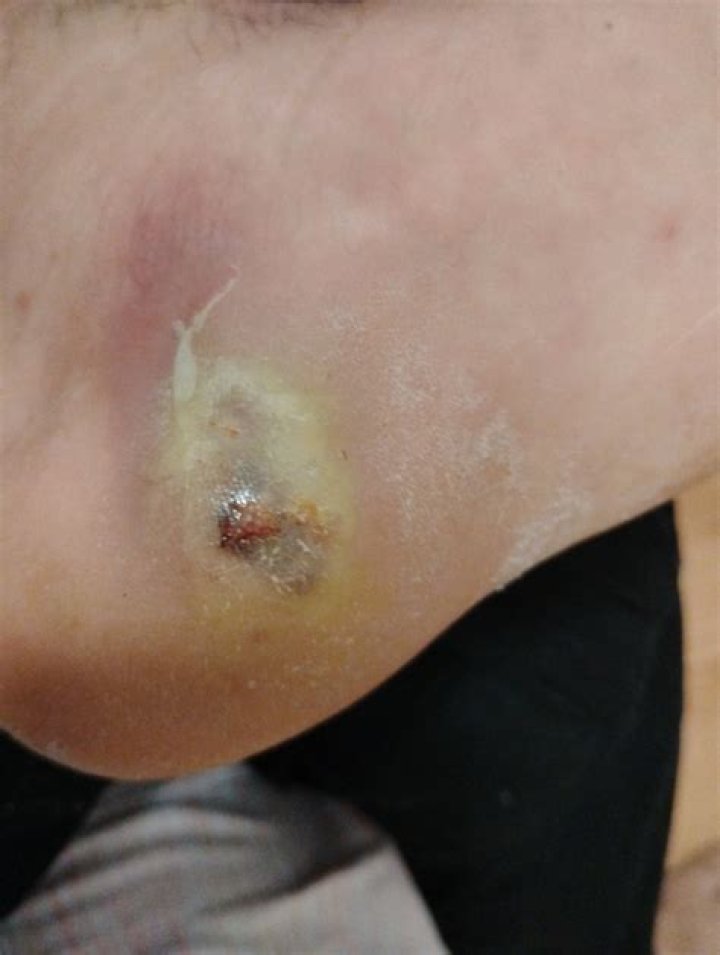
Cold sores, also known as fever blisters, are a common and often uncomfortable condition caused by the herpes simplex virus (HSV). Many people wonder if they should pop a cold sore blister to speed up the healing process. However, this is a controversial topic, and there are important considerations before making such a decision. Understanding the causes, symptoms, and proper treatment of cold sores is essential to ensure you manage this condition effectively.
Cold sores affect millions of people worldwide and can be both painful and embarrassing. The herpes simplex virus, which causes these blisters, can remain dormant in the body and reactivate under certain conditions. This article will explore whether popping a cold sore blister is advisable and provide you with actionable advice on managing this condition.
By the end of this guide, you'll have a deeper understanding of the risks and benefits associated with popping cold sores, along with alternative treatments and preventive measures to help you manage outbreaks effectively.
What Are Cold Sores?
Cold sores, also referred to as fever blisters, are small, fluid-filled lesions that typically appear on or around the lips. They are caused by the herpes simplex virus (HSV), which exists in two types: HSV-1 and HSV-2. While HSV-1 is the primary cause of cold sores, HSV-2 can also lead to outbreaks.
Once infected with HSV, the virus remains in the body for life, lying dormant in the nerve cells. Outbreaks can be triggered by various factors, such as stress, illness, hormonal changes, or exposure to sunlight. Cold sores usually heal within one to two weeks, but the virus can reactivate, leading to recurring outbreaks.
How Do Cold Sores Develop?
The development of cold sores typically follows a predictable pattern:
- Tingling or itching: Before a visible sore appears, you may feel a tingling or itching sensation in the affected area.
- Blister formation: Small, fluid-filled blisters then form, often clustering together.
- Blister rupture: The blisters may burst, leaving open sores that can ooze fluid.
- Crusting: The sores eventually dry out and form a crust as they heal.
Should You Pop a Cold Sore?
One of the most common questions people ask when dealing with cold sores is whether they should pop them. While it might seem like popping a cold sore blister could speed up the healing process, this is generally not recommended. Popping a cold sore can lead to complications and increase the risk of infection or spreading the virus.
It's important to let the blister heal naturally to minimize the chances of scarring or further complications. The fluid inside the blister contains the herpes simplex virus, and releasing it can increase the likelihood of spreading the virus to other parts of your body or to others.
Why You Should Avoid Popping Cold Sores
Here are some reasons why you should avoid popping cold sores:
- Risk of infection: Popping a cold sore can introduce bacteria to the open wound, leading to infection.
- Increased healing time: Popping a blister can actually slow down the healing process, as it disrupts the natural healing mechanisms of your body.
- Scarring: Popping a cold sore increases the risk of scarring, which can be permanent.
- Spreading the virus: The fluid from a popped blister contains the herpes simplex virus, which can easily spread to other areas of your body or to others.
Risks of Popping Cold Sores
Popping a cold sore blister can lead to several risks and complications. Understanding these risks is crucial to making an informed decision about how to manage your cold sores.
Potential Complications
Some of the potential complications associated with popping cold sores include:
- Infection: Bacteria can enter the open wound, leading to a secondary infection that may require medical treatment.
- Delayed healing: Popping a blister can damage the surrounding skin, making it harder for the sore to heal.
- Increased pain: Popping a cold sore can cause more pain and discomfort as the nerve endings are exposed.
- Spread of the virus: The herpes simplex virus can spread to other parts of your body, such as your eyes, or to other people through contact with the fluid.
Alternative Treatments for Cold Sores
Instead of popping a cold sore, there are several effective treatments and remedies you can use to manage the condition and promote healing.
Over-the-Counter Treatments
There are various over-the-counter creams and ointments designed to alleviate cold sore symptoms and speed up healing. Some popular options include:
- Abreva: This is a topical cream that can help reduce the duration of a cold sore outbreak.
- Denavir: An antiviral cream that can be applied directly to the affected area.
- Zovirax: Another antiviral cream that may help reduce the severity and duration of cold sores.
Prescription Medications
In cases of severe or frequent outbreaks, a healthcare provider may prescribe antiviral medications such as:
- Acyclovir: Available in both oral and topical forms, this medication can help reduce the severity and duration of cold sore outbreaks.
- Valacyclovir: Another oral antiviral medication that may be prescribed for more severe cases.
Preventing Cold Sore Outbreaks
While there is no cure for the herpes simplex virus, there are steps you can take to reduce the frequency and severity of cold sore outbreaks.
Preventive Measures
Here are some tips to help prevent cold sore outbreaks:
- Avoid triggers: Identify and avoid known triggers such as stress, illness, or exposure to sunlight.
- Practice good hygiene: Wash your hands frequently, especially after touching a cold sore.
- Use sun protection: Apply lip balm with SPF to protect your lips from UV rays.
- Boost your immune system: Maintain a healthy diet, exercise regularly, and get enough sleep to strengthen your immune system.
When to See a Doctor
In most cases, cold sores will heal on their own within one to two weeks. However, there are situations where you should consult a healthcare professional:
- Frequent outbreaks: If you experience cold sores frequently, a doctor may prescribe medication to help manage the condition.
- Severe symptoms: If your cold sore is particularly painful or does not show signs of healing after two weeks, seek medical advice.
- Spread to other areas: If the virus spreads to other parts of your body, such as your eyes, consult a healthcare provider immediately.
Myths About Cold Sores
There are many myths surrounding cold sores, and it's important to separate fact from fiction. Here are some common myths:
- Myth: Cold sores only occur in people with weak immune systems. Fact: Anyone can get cold sores, regardless of their immune system strength.
- Myth: Cold sores are only contagious when they are visible. Fact: The herpes simplex virus can be contagious even when there are no visible sores.
- Myth: Popping a cold sore speeds up healing. Fact: Popping a cold sore can actually slow down the healing process and increase the risk of complications.
Common Triggers for Cold Sores
Understanding the common triggers for cold sore outbreaks can help you take preventive measures. Some of the most common triggers include:
- Stress: Emotional or physical stress can weaken your immune system, making you more susceptible to outbreaks.
- Hormonal changes: Women may experience more frequent outbreaks during their menstrual cycle or pregnancy.
- Illness: Being sick or having a weakened immune system can trigger cold sores.
- Exposure to sunlight: UV rays can activate the herpes simplex virus in some people.
Lifestyle Tips for Managing Cold Sores
Adopting certain lifestyle habits can help you manage cold sores more effectively:
Healthy Habits
- Maintain a balanced diet: Eating a diet rich in vitamins and minerals can boost your immune system.
- Stay hydrated: Drinking plenty of water helps keep your lips moisturized and reduces the risk of outbreaks.
- Avoid sharing personal items: Do not share items like toothbrushes, razors, or eating utensils to prevent spreading the virus.
- Practice stress management: Techniques such as meditation, yoga, or deep breathing can help reduce stress levels.
Conclusion
In conclusion, cold sores are a common and often uncomfortable condition caused by the herpes simplex virus. While it may be tempting to pop a cold sore blister, this is generally not recommended due to the risks of infection, delayed healing, and spreading the virus. Instead, there are several effective treatments and preventive measures you can take to manage cold sores and reduce the frequency of outbreaks.
We encourage you to share this article with others who may find it helpful. If you have any questions or experiences to share, feel free to leave a comment below. Additionally, explore our other articles for more information on health and wellness topics.




