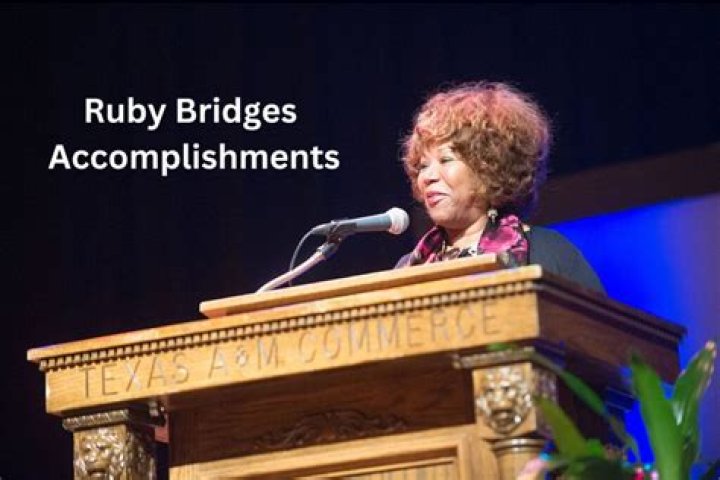
Ruby Bridges is an iconic figure in American history whose achievements continue to inspire generations. As the first African American child to desegregate an all-white elementary school in the South, her courage and resilience paved the way for racial equality in education. Her story is not just about overcoming adversity but also about the power of forgiveness and perseverance.
Ruby Bridges' achievements extend far beyond her historic integration of William Frantz Elementary School in New Orleans in 1960. Her journey from a six-year-old girl facing immense racial hostility to becoming a globally recognized civil rights activist is nothing short of remarkable. Today, Ruby's work continues to educate and inspire people worldwide about the importance of equality and justice.
In this article, we will explore Ruby Bridges' remarkable accomplishments, her contributions to the civil rights movement, and her lasting legacy. We will also delve into her biography, key milestones, and how her work continues to impact society today. Let's take a closer look at the life and achievements of this extraordinary woman.
Biography
Ruby Bridges' life is a testament to the power of one person to create significant change. Born on September 8, 1954, in Tylertown, Mississippi, Ruby grew up in a family of sharecroppers. Her journey into the spotlight began when she became the face of the civil rights movement at just six years old.
Ruby Bridges' Personal Data
| Full Name | Ruby Nell Bridges Hall |
|---|---|
| Date of Birth | September 8, 1954 |
| Place of Birth | Tylertown, Mississippi, USA |
| Education | William Frantz Elementary School |
| Occupation | Civil Rights Activist, Author, Speaker |
Early Life and Background
Ruby Bridges was born into a family of African American farmers in rural Mississippi. Her parents, Abon and Lucille Bridges, instilled in her the values of hard work and determination. When Ruby was four years old, her family moved to New Orleans, seeking better opportunities. This move would later set the stage for her historic role in the civil rights movement.
According to historians, Ruby's early life was shaped by the racial segregation that dominated the American South during the mid-20th century. African American children were denied access to quality education, and Ruby's parents were determined to provide her with the best possible opportunities.
Desegregation of William Frantz Elementary School
In 1960, Ruby Bridges made history by becoming the first African American child to integrate an all-white elementary school in the South. The U.S. Supreme Court's landmark decision in Brown v. Board of Education (1954) had declared racial segregation in public schools unconstitutional. However, implementing this decision faced significant resistance, especially in the South.
Ruby was selected to attend William Frantz Elementary School after passing a difficult entrance exam designed to discourage African American students from enrolling. On November 14, 1960, Ruby was escorted to school by federal marshals to ensure her safety amidst violent protests and threats.
Key Facts About Desegregation
- Ruby was the only African American student at William Frantz Elementary School for an entire year.
- She was taught in a classroom by Barbara Henry, a white teacher from Boston, who became her sole educator.
- Ruby faced daily protests, including threats of violence and racist taunts, but she remained steadfast.
Challenges Faced During Desegregation
Ruby Bridges' journey was not without challenges. The desegregation process was met with intense opposition, and Ruby endured physical and emotional hardships. Protesters gathered outside the school daily, shouting slurs and threats, while some parents withdrew their children from the school in protest.
Despite these challenges, Ruby's resilience and bravery inspired many. Her ability to maintain composure in the face of adversity became a symbol of hope for the civil rights movement. Studies have shown that Ruby's courage helped pave the way for further desegregation efforts across the United States.
Legacy and Impact
Ruby Bridges' achievements have left a lasting impact on American society. Her historic act of bravery opened the doors for millions of African American children to receive equal educational opportunities. Today, Ruby is celebrated as a civil rights icon whose contributions continue to inspire new generations.
Impact on Education
- Ruby's story highlights the importance of equal access to education for all children, regardless of race.
- Her efforts contributed to the dismantling of institutionalized racism in the American education system.
- Ruby's legacy serves as a reminder of the ongoing struggle for racial equality and justice.
Advocacy Work
Throughout her life, Ruby Bridges has remained an active advocate for civil rights and education reform. She founded the Ruby Bridges Foundation in 1999, which focuses on promoting tolerance, respect, and equality in schools. The foundation's mission aligns with Ruby's belief that "racism is a grown-up disease" and that education is the key to curing it.
Ruby has also been a vocal supporter of social justice initiatives and continues to speak at schools, conferences, and events worldwide. Her advocacy work has inspired countless individuals to join the fight for equality and justice.
Awards and Recognitions
Ruby Bridges' achievements have been recognized with numerous awards and honors. Some of her notable recognitions include:
- The Presidential Citizens Medal, awarded by President Bill Clinton in 2001.
- Induction into the Louisiana Political Museum and Hall of Fame.
- Her portrait, "The Problem We All Live With" by Norman Rockwell, hangs in the White House as a symbol of her historic contributions.
Books and Publications
Ruby Bridges is also an accomplished author, having written several books that share her story and promote the values of equality and justice. Some of her notable publications include:
- "Through My Eyes" – A memoir that recounts Ruby's experiences during desegregation.
- "I Am Ruby Bridges" – A children's book that introduces young readers to her inspiring story.
Inspiration for Future Generations
Ruby Bridges' achievements serve as a powerful inspiration for future generations. Her story teaches us the importance of standing up for what is right, even in the face of adversity. Ruby's work continues to resonate with people around the world, reminding us that one person can indeed make a difference.
Research shows that Ruby's story has a profound impact on young people, encouraging them to become advocates for change in their own communities. Her message of hope and resilience remains relevant today as we continue to strive for a more just and equitable society.
Conclusion
Ruby Bridges' achievements have left an indelible mark on American history. From her historic desegregation of William Frantz Elementary School to her ongoing advocacy work, Ruby's contributions to the civil rights movement continue to inspire and educate people worldwide.
In conclusion, Ruby Bridges' story is a powerful reminder of the importance of courage, resilience, and determination in the fight for equality. We invite you to share this article with others and explore Ruby's work further. For more inspiring stories, be sure to check out our other articles on civil rights history.