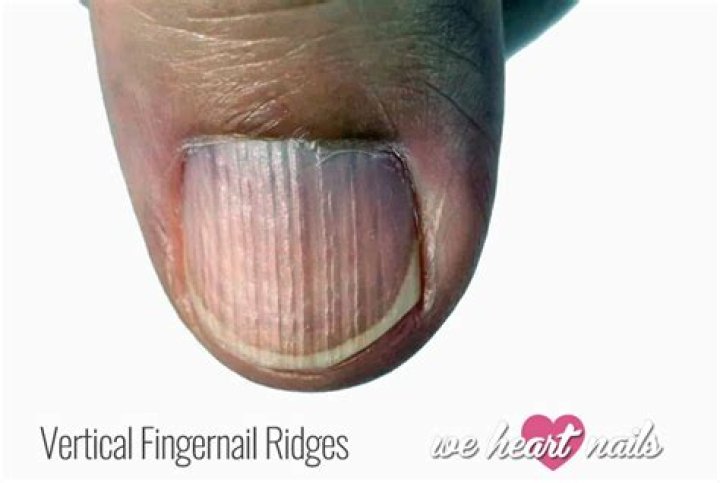
Have you ever noticed ridges on your fingernails and wondered what they mean? These vertical or horizontal lines on your nails could be more significant than you think. Ridges on fingernails can sometimes signal underlying health issues, nutritional deficiencies, or even natural aging processes. Understanding their causes and implications can help you take better care of your overall well-being.
Ridges on fingernails are a common phenomenon, and while they may seem alarming, they are not always a cause for concern. However, in some cases, they can indicate underlying health conditions that require attention. This article aims to provide you with a thorough understanding of what ridges on fingernails mean, their causes, and how you can address them.
Whether you're experiencing vertical ridges, horizontal ridges, or other nail abnormalities, this guide will walk you through everything you need to know. From scientific explanations to actionable tips, we'll help you decode the messages your nails are sending.
What Are Nail Ridges?
Nail ridges refer to the raised lines or grooves that appear on the surface of your fingernails. These ridges can either run vertically from the cuticle to the tip or horizontally across the nail bed. While vertical ridges are more common and often harmless, horizontal ridges can sometimes indicate more serious health concerns.
Understanding the structure of your nails is essential to interpreting these ridges. Nails are made of a protein called keratin, and their growth is influenced by various internal and external factors. Ridges on fingernails can develop due to changes in the nail matrix, which is the area beneath the cuticle responsible for nail growth.
As we age, the production of collagen and other structural proteins in our bodies decreases, which can lead to the formation of ridges on fingernails. However, there are other factors to consider as well, which we'll explore in detail below.
Types of Ridges on Fingernails
Vertical Ridges
Vertical ridges, also known as longitudinal ridges, are the most common type of nail ridges. They typically run from the base of the nail to the tip and are often associated with the natural aging process. These ridges are usually harmless but can become more pronounced as we grow older.
Causes:
- Aging
- Dehydration
- Nutritional deficiencies li>Hormonal changes
Horizontal Ridges
Horizontal ridges, also known as Beau's lines, are grooves that run across the nail bed. These ridges are often a sign of a more serious underlying condition and should be evaluated by a healthcare professional.
Possible Causes:
- Injury or trauma to the nail
- Infections
- Systemic illnesses
- Nutritional deficiencies
Causes of Ridges on Fingernails
Ridges on fingernails can be caused by a variety of factors, ranging from benign to more serious health concerns. Below are some of the most common causes:
- Aging: As we age, our nails naturally develop vertical ridges due to decreased collagen production.
- Nutritional Deficiencies: Deficiencies in vitamins and minerals such as iron, zinc, and biotin can lead to weak, brittle nails and the formation of ridges.
- Dehydration: Lack of proper hydration can cause nails to become dry and develop ridges.
- Medical Conditions: Certain medical conditions, such as psoriasis, eczema, and thyroid disorders, can contribute to the development of nail ridges.
Connection Between Ridges and Health
Ridges on fingernails can sometimes be an indicator of underlying health issues. For example, horizontal ridges (Beau's lines) can be associated with serious conditions such as diabetes, heart disease, or even chemotherapy treatments. Vertical ridges, while often harmless, can still signal nutritional deficiencies or hormonal imbalances.
According to research published in the Journal of Dermatology, nail abnormalities, including ridges, can provide valuable clues about a person's overall health. Regular monitoring of your nails can help you detect potential health issues early on.
Diagnosing the Underlying Causes
If you notice unusual ridges on your fingernails, it's important to consult a healthcare professional for an accurate diagnosis. They may perform the following:
- Physical Examination: A doctor will examine your nails and ask about your medical history.
- Blood Tests: These can help identify nutritional deficiencies or underlying medical conditions.
- Imaging Tests: In some cases, imaging tests may be necessary to rule out other health concerns.
Early diagnosis and treatment can prevent further complications and improve your overall nail health.
Treatment and Prevention
Treatment Options
Treatment for ridges on fingernails depends on the underlying cause. Some common treatment options include:
- Supplements: Taking supplements for vitamins and minerals like biotin, iron, and zinc can help strengthen nails.
- Hydration: Drinking plenty of water and using moisturizers can prevent dryness and reduce ridges.
- Medical Treatment: If the ridges are caused by an underlying medical condition, treating that condition can improve nail health.
Prevention Tips
Preventing ridges on fingernails involves maintaining a healthy lifestyle and taking care of your nails. Here are some tips:
- Eat a balanced diet rich in vitamins and minerals.
- Stay hydrated by drinking at least eight glasses of water daily.
- Protect your nails from harsh chemicals and excessive exposure to water.
- Regularly moisturize your hands and nails.
Nutritional Impact on Nail Health
Nutrition plays a crucial role in maintaining healthy nails. Deficiencies in certain nutrients can lead to nail abnormalities, including ridges. Below are some key nutrients for nail health:
- Biotin: Also known as vitamin B7, biotin is essential for nail strength and can reduce the appearance of ridges.
- Zinc: Zinc supports nail growth and repair, and its deficiency can lead to weak, ridged nails.
- Iron: Iron deficiency anemia is a common cause of brittle nails and ridges.
Adding foods rich in these nutrients to your diet can significantly improve your nail health.
Lifestyle Factors Affecting Nail Health
Your lifestyle choices can also impact the health of your nails. Stress, smoking, and excessive alcohol consumption can all contribute to nail ridges and other abnormalities. Here are some lifestyle adjustments you can make:
- Manage stress through relaxation techniques such as meditation or yoga.
- Quit smoking and limit alcohol consumption.
- Exercise regularly to improve circulation and promote healthy nail growth.
By adopting a healthier lifestyle, you can improve not only your nail health but also your overall well-being.
Frequently Asked Questions
1. Are ridges on fingernails always a cause for concern?
No, vertical ridges on fingernails are often harmless and can be attributed to aging or dehydration. However, horizontal ridges or Beau's lines may indicate underlying health issues and should be evaluated by a healthcare professional.
2. Can I treat nail ridges at home?
Yes, mild cases of nail ridges can be treated at home with proper nutrition, hydration, and nail care. However, if the ridges persist or worsen, it's best to consult a doctor.
3. What foods are good for nail health?
Foods rich in biotin, zinc, iron, and omega-3 fatty acids are excellent for nail health. Examples include eggs, nuts, spinach, and fatty fish like salmon.
Conclusion
Ridges on fingernails means different things depending on their type and underlying causes. While vertical ridges are often harmless and associated with aging, horizontal ridges can signal more serious health concerns. Understanding the connection between nail health and overall well-being is essential for maintaining a healthy lifestyle.
We encourage you to take proactive steps to care for your nails by eating a balanced diet, staying hydrated, and protecting them from environmental damage. If you notice persistent or unusual ridges on your fingernails, consult a healthcare professional for further evaluation.
Feel free to share this article with others who may find it helpful, and don't hesitate to leave a comment if you have any questions or insights to share. Together, we can promote better nail health and overall wellness!




