Have you ever noticed ridges in your nails and wondered what they mean? These vertical or horizontal lines can be a sign of various health conditions or simply a result of aging. Understanding the causes and implications of nail ridges is essential for maintaining your overall well-being.
Nail ridges are relatively common and often overlooked by many people. However, they can provide valuable insights into your health. In this comprehensive guide, we will delve into the meaning of ridges in your nails, their potential causes, and how you can address them effectively.
Whether you're experiencing vertical ridges, horizontal ridges, or other nail abnormalities, this article will equip you with the knowledge to take proactive steps toward better nail and overall health. Let's dive in!
What Are Nail Ridges?
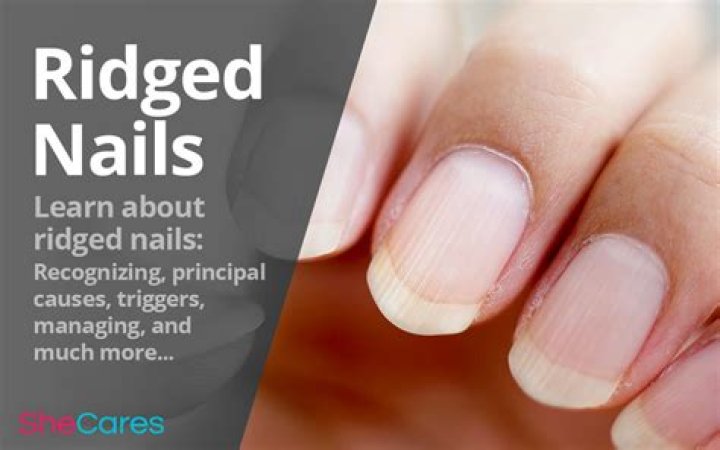
Nail ridges refer to the raised lines or grooves that appear on the surface of your nails. These ridges can run vertically or horizontally, and their appearance can vary depending on the underlying cause. Vertical ridges are the most common type and are often associated with aging, while horizontal ridges may indicate more serious health issues.
Understanding the anatomy of your nails is crucial in identifying potential problems. Nails are made up of layers of keratin, a protein that provides strength and structure. When these layers become uneven or disrupted, ridges can form. While some ridges are harmless, others may require medical attention.
Below is a summary of the key components of nail anatomy:
- Nail bed: The skin beneath the nail plate.
- Nail matrix: The area under the cuticle where new nail cells are produced.
- Nail plate: The visible part of the nail that grows outward.
Common Causes of Nail Ridges
Nail ridges can be caused by a variety of factors, ranging from natural aging to underlying medical conditions. Below are some of the most common causes:
1. Aging
As we age, our nails naturally become thinner and more brittle, leading to the development of vertical ridges. This is a normal part of the aging process and typically does not indicate a serious health issue.
2. Trauma or Injury
Injury to the nail bed or matrix can result in the formation of ridges. For example, repetitive pressure on the nails from activities like typing or playing musical instruments can cause horizontal ridges.
3. Nutritional Deficiencies
A lack of essential nutrients such as vitamins A, B, C, and E, as well as minerals like zinc and iron, can weaken the nails and lead to ridges. Ensuring a balanced diet is vital for maintaining healthy nails.
Types of Nail Ridges
Nail ridges can be categorized into two main types: vertical and horizontal.
Vertical Ridges
Vertical ridges run from the base of the nail to the tip and are often associated with aging. While they are generally harmless, they can sometimes indicate underlying health issues such as:
- Iron deficiency anemia
- Psoriasis
- Thyroid disorders
Horizontal Ridges
Horizontal ridges, also known as Beau's lines, are grooves that run across the nail and may indicate a more serious condition. Causes of horizontal ridges include:
- Severe illness or infection
- Trauma to the nail
- Chemotherapy
- Diabetes
Health Implications of Nail Ridges
Nail ridges can sometimes be a sign of underlying health issues. For example, ridges may be associated with:
1. Nail Fungus
Fungal infections can cause thickening and ridging of the nails. If you notice discoloration or brittleness along with ridges, it may be worth consulting a dermatologist.
2. Psoriasis
Psoriasis is a chronic autoimmune condition that can affect the nails, leading to ridges, pitting, and discoloration.
3. Thyroid Disorders
Both hyperthyroidism and hypothyroidism can impact nail health, causing ridges and other abnormalities.
Diagnosing Nail Ridges
If you're concerned about nail ridges, it's important to consult a healthcare professional for an accurate diagnosis. They may perform the following:
- Physical examination of the nails
- Blood tests to check for nutritional deficiencies or thyroid disorders
- Biopsy of the nail if a fungal infection is suspected
Early diagnosis is key to addressing any underlying health issues effectively.
Preventing Nail Ridges
While some causes of nail ridges, such as aging, cannot be prevented, there are steps you can take to reduce their occurrence:
1. Maintain a Balanced Diet
Ensure you're consuming enough vitamins and minerals, particularly those that support nail health, such as biotin, zinc, and iron.
2. Protect Your Nails
Wear gloves when doing household chores or working with chemicals to prevent trauma to the nails.
3. Stay Hydrated
Dehydration can weaken the nails and make them more prone to ridges. Drink plenty of water throughout the day.
Treatment Options for Nail Ridges
Treatment for nail ridges depends on the underlying cause. Some options include:
1. Topical Treatments
Creams or oils containing moisturizing ingredients like shea butter or vitamin E can help smooth out ridges and improve nail appearance.
2. Supplements
Supplementing with biotin or other nail-supporting nutrients may help strengthen the nails and reduce ridges.
3. Medical Intervention
If nail ridges are caused by an underlying medical condition, treating the condition itself can improve nail health.
The Role of Nutrition in Nail Health
Nutrition plays a critical role in maintaining healthy nails. Key nutrients for nail health include:
- Biotin: A B-vitamin that promotes nail strength and growth.
- Zinc: Essential for collagen production and nail integrity.
- Vitamin C: Supports collagen synthesis and protects against oxidative stress.
Include foods like eggs, nuts, spinach, and citrus fruits in your diet to support optimal nail health.
Lifestyle Changes for Healthy Nails
In addition to nutrition, making certain lifestyle changes can improve nail health and prevent ridges:
1. Avoid Biting or Picking Your Nails
This habit can damage the nail bed and lead to ridges or other abnormalities.
2. Use Gentle Nail Care Products
Choose non-toxic nail polishes and removers to avoid chemical irritation.
3. Practice Regular Nail Care
Keep your nails clean and trimmed to prevent damage and promote healthy growth.
Conclusion and Next Steps
In conclusion, ridges in your nails can have various causes, ranging from natural aging to underlying health conditions. By understanding the potential causes and taking proactive steps to address them, you can maintain healthy, strong nails. Remember to consult a healthcare professional if you're concerned about persistent or severe nail ridges.
Take action today by implementing the tips outlined in this article and sharing your thoughts in the comments below. Don't forget to explore other articles on our site for more information on nail and overall health!
Sources:




